As geopolitical tensions reshape trade routes and monetary alliances, major economies are actively exploring alternatives to traditional Western-controlled financial infrastructure.
Recent speculation surrounding the Central Bank of Russia and its openness to blockchain-based settlement systems has reignited debate across the crypto industry. Could digital assets like XRP play a role in Russia’s evolving financial strategy? And if so, does this mark the beginning of the end for traditional banking as we know it?
While no official announcement confirms direct XRP adoption, the broader macroeconomic shifts unfolding today make the conversation impossible to ignore.
Why Russia Is Moving Away From SWIFT
To understand the XRP discussion, we must first understand the catalyst.
Following international sanctions, Russian financial institutions faced restrictions in accessing the global payments messaging network operated by SWIFT. For decades, SWIFT has been the backbone of cross-border bank communication. Without full access, international settlements become slower, more expensive, and politically sensitive.
In response, Russia accelerated the development of alternative systems:
-
Its own domestic financial messaging platform
-
Expansion of trade settlements in local currencies
-
Increased collaboration with BRICS nations
-
Exploration of digital asset infrastructure
This pivot is not ideological — it is strategic survival.
And blockchain technology naturally enters that conversation.
Where XRP Fits Into the Equation
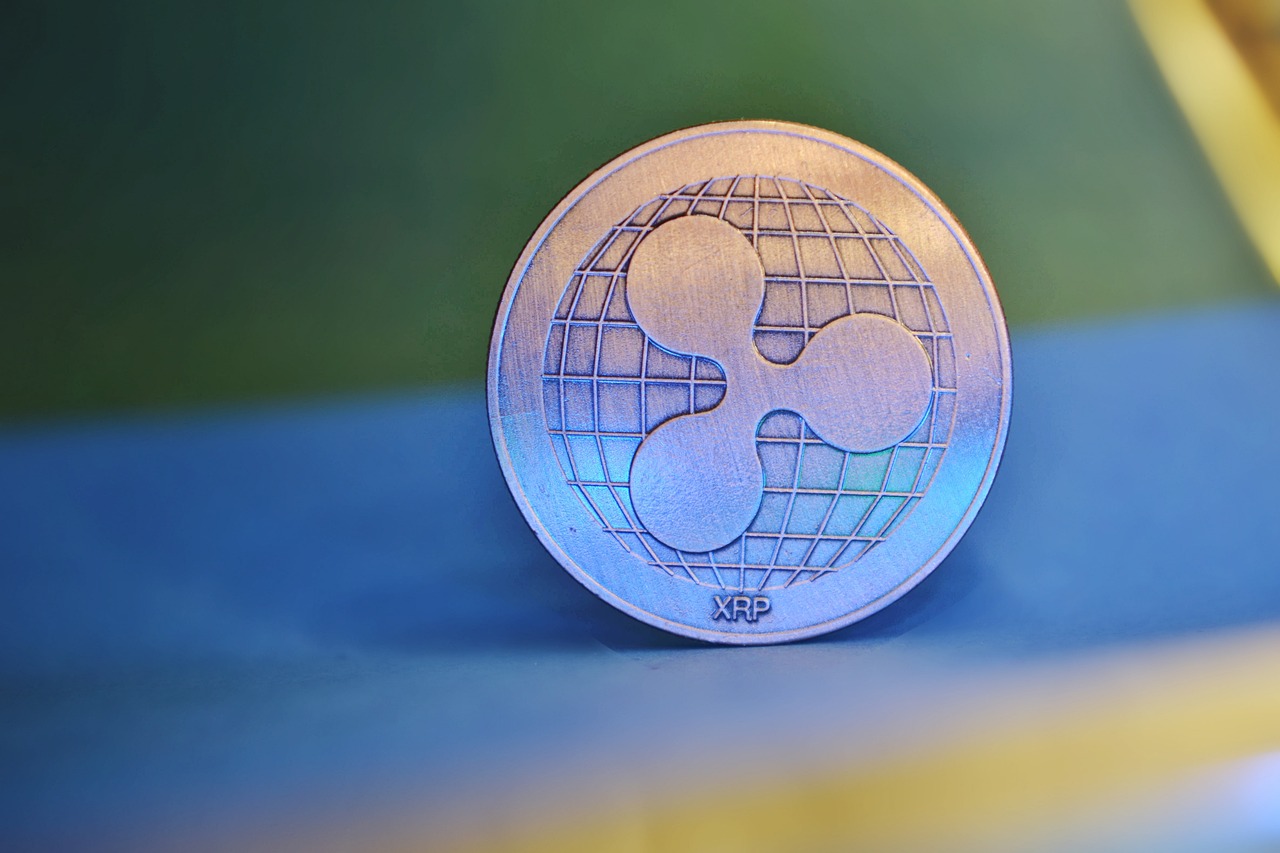
Developed by Ripple Labs, XRP was designed specifically for cross-border settlement. Unlike many cryptocurrencies built purely for speculation, XRP’s core utility focuses on:
-
On-demand liquidity
-
Fast international transfers (3–5 seconds)
-
Low transaction fees
-
Bridge currency functionality between fiat pairs
In theory, XRP can eliminate the need for pre-funded nostro/vostro accounts — the traditional mechanism banks use to settle international transfers.
For countries seeking independence from Western banking rails, this model is compelling.
But does that mean Russia is adopting XRP? Not necessarily.
What it does mean is that XRP’s use case aligns with the structural problems Russia — and other sanctioned or de-dollarizing nations — are attempting to solve.
The Digital Ruble vs. XRP: Competition or Coexistence?
The Central Bank of Russia has been actively testing its central bank digital currency (CBDC), commonly referred to as the digital ruble.
CBDCs allow governments to:
-
Control monetary supply digitally
-
Monitor transactions
-
Improve domestic settlement efficiency
-
Reduce reliance on commercial banking intermediaries
However, CBDCs are not inherently designed for global interoperability.
This is where XRP becomes interesting. Some analysts argue that bridge assets like XRP could theoretically facilitate cross-border interoperability between different CBDCs. In such a model:
-
Russia’s digital ruble operates domestically
-
XRP acts as neutral settlement infrastructure internationally
Again, this remains theoretical — but technologically viable.
The BRICS Factor: A Larger Financial Realignment
Russia is a founding member of BRICS, alongside Brazil, India, China, and South Africa. The bloc has expanded and openly discussed reducing dependence on the US dollar for international trade.
De-dollarization efforts include:
-
Bilateral trade in local currencies
-
Gold accumulation strategies
-
Alternative payment messaging systems
-
Exploration of blockchain-based trade rails
If BRICS were to build a unified settlement mechanism independent of Western systems, digital assets could logically play a role.
Not because they are “anti-bank,” but because they are politically neutral, decentralized, and technologically efficient.
In that environment, XRP’s liquidity model becomes strategically attractive.
Is This the End of Traditional Banking?
This is where speculation often turns dramatic. The reality is more nuanced. Traditional banks are not disappearing. They are evolving.
Throughout history, financial institutions have adapted to technological revolutions:
-
Telegraph → electronic wire transfers
-
Paper ledgers → digital databases
-
Physical branches → online banking
Blockchain is simply the next evolution layer.
If Russia — or any central bank — integrates blockchain rails into settlement infrastructure, banks will not vanish. Instead, they will:
-
Operate on faster backend systems
-
Reduce cross-border capital friction
-
Integrate digital assets for liquidity optimization
The narrative is not “banks vs crypto.”
It is “banks upgrading through crypto.”
Ripple’s History With Governments
Ripple Labs has long positioned itself as a regulatory-compliant infrastructure provider rather than a decentralized rebel entity.
Over the years, Ripple has engaged with:
-
Central banks exploring CBDCs
-
Financial institutions testing cross-border pilots
-
Governments evaluating blockchain integration
This institutional-first approach separates XRP from purely speculative assets.
It also explains why XRP is often discussed in geopolitical financial conversations.
However, discussion does not equal adoption.
Markets often react strongly to speculation — but sustained price growth depends on confirmed implementation.
Could XRP Benefit Even Without Direct Adoption?
Yes.
Even without formal endorsement by the Central Bank of Russia, the macro shift toward alternative settlement rails benefits assets designed for liquidity.
If more countries:
-
Diversify away from SWIFT
-
Reduce USD dependency
-
Test blockchain rails
-
Implement CBDCs
Then interoperability solutions become more valuable.
XRP’s value proposition strengthens in a fragmented global financial system.
In other words, geopolitical instability may accelerate blockchain infrastructure demand.
The Investor Perspective
For crypto investors, the key question is not whether Russia “embraced” XRP today.
The real question is:
Are sovereign financial systems moving closer to blockchain-based settlement models?
The evidence suggests yes.
But adoption timelines remain uncertain.
Investors should consider:
-
Regulatory clarity developments
-
Institutional pilot programs
-
Cross-border settlement data
-
BRICS monetary coordination
-
CBDC interoperability trials
Speculation without confirmation creates volatility.
Infrastructure adoption creates long-term value.
Risks and Reality Check
It is important to separate hype from structural transformation.
Risks include:
-
Political backlash against crypto integration
-
Sanctions limiting blockchain collaboration
-
Competing digital settlement technologies
-
Centralized CBDCs replacing rather than integrating public blockchains
Additionally, some governments may prefer fully controlled systems rather than neutral assets like XRP.
The transition — if it happens — will be gradual, not explosive.
A New Financial Order Emerging?
We are entering a multipolar financial era.
The dominance of Western settlement infrastructure is no longer unquestioned.
Countries like Russia are experimenting with:
-
Alternative trade corridors
-
Local currency settlement
-
Digital monetary systems
Whether XRP becomes part of that architecture remains to be seen.
But the conversation itself signals something profound:
Blockchain is no longer fringe.
It is being evaluated at the highest levels of monetary policy.
That alone represents a seismic shift.
Final Verdict: Revolution or Evolution?
Is Russia’s central bank embracing XRP?
There is no official confirmation of that.
Is Russia exploring alternatives to traditional Western banking rails?
Absolutely.
Does XRP align technologically with those needs?
Yes.
Is traditional banking ending?
No.
It is evolving.
The next decade will likely see a hybrid financial model:
-
CBDCs for domestic control
-
Blockchain rails for international settlement
-
Banks acting as liquidity coordinators
-
Digital assets bridging fragmented systems
XRP stands at the center of that theoretical intersection.
For investors and analysts, the smarter approach is not emotional hype — it is structural analysis.
Watch the infrastructure.
Watch the pilots.
Watch the interoperability.
Because if central banks begin integrating blockchain at scale, the transformation of global finance will not be loud.
It will be technical.
And by the time it becomes obvious, the market will have already repriced the future.