
The cryptocurrency industry continues to evolve at an incredible pace. What started as an experimental financial technology has grown into a multi-trillion-dollar ecosystem powering decentralized finance, digital ownership, global payments, and Web3 infrastructure.
While thousands of cryptocurrencies now exist, only a handful of projects have built the technological foundations and ecosystems necessary to influence the future of blockchain technology. These projects are not just speculative assets; they represent platforms designed to transform finance, infrastructure, and digital economies.
In this Altcoins Analysis, we examine ten of the most important cryptocurrencies shaping the future of blockchain. This analysis explores their technological advantages, ecosystem growth, real-world adoption potential, and price outlook through 2030.
The projects covered in this analysis include Solana, XRP, Chainlink, Cardano, Polkadot, IOTA, Avalanche, Toncoin, Hedera, and Sei.
Why Altcoins Analysis Matters in 2026
The crypto market has matured significantly since its early days. Investors are no longer simply chasing hype; instead, they are evaluating blockchain projects based on real-world utility, developer activity, and ecosystem growth.
Altcoins now power several key sectors of the blockchain economy, including:
decentralized finance (DeFi)
global payments
tokenized assets
Web3 infrastructure
decentralized data networks
Understanding which projects are building sustainable ecosystems is critical for investors, developers, and analysts.
This Altcoins Analysis focuses on cryptocurrencies that are actively shaping the next generation of blockchain technology.
Solana: The High-Speed Web3 Infrastructure
Solana has become one of the most widely used blockchain networks for decentralized applications.
The network is known for its extremely fast transaction speeds and low fees, allowing developers to build scalable Web3 applications. Solana uses a unique consensus model known as Proof of History, which enables the network to process thousands of transactions per second.
Solana’s ecosystem includes:
DeFi platforms
NFT marketplaces
blockchain gaming projects
decentralized social networks
With strong developer activity and increasing institutional interest, Solana could remain one of the most influential smart contract platforms in the industry.
Price outlook (2030)
$700 – $1,200 depending on ecosystem expansion.
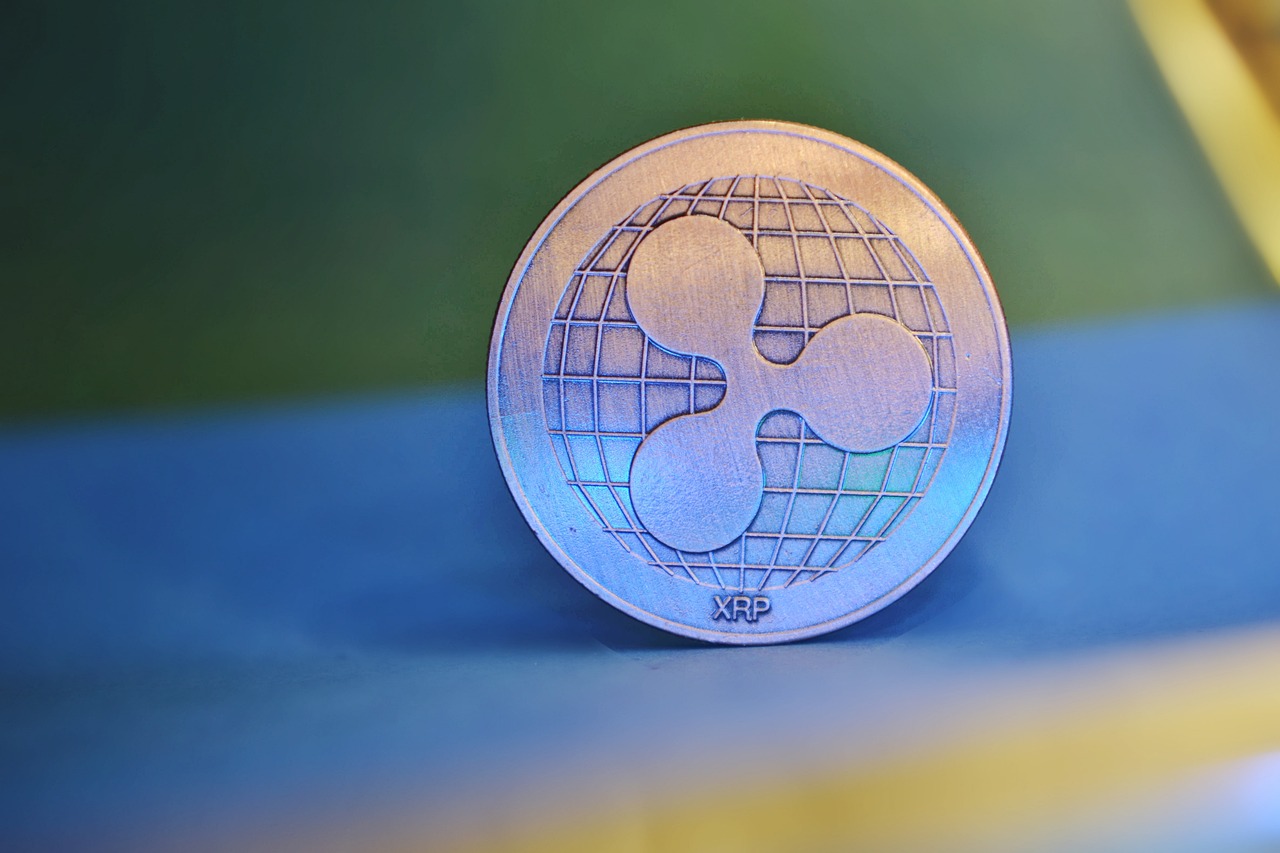
XRP: Reinventing Global Payments
XRP was created to transform cross-border payments.
Traditional international payment systems can take days to settle transactions and often involve high fees. XRP aims to solve this problem by enabling instant global transfers with minimal costs.
The XRP Ledger settles transactions within seconds and can handle large transaction volumes efficiently.
If blockchain-based payment systems replace legacy banking infrastructure, XRP could become a critical component of global financial networks.
Price outlook (2030)
$10 – $25, depending on institutional adoption.
Chainlink: The Backbone of Smart Contract Data
Chainlink provides one of the most important infrastructure layers in the blockchain ecosystem.
Smart contracts cannot access external data on their own. Chainlink solves this problem by connecting blockchains to real-world information through decentralized oracle networks.
This data can include:
financial market prices
weather information
sports results
economic indicators
Chainlink is also developing cross-chain communication infrastructure that could allow different blockchains to interact seamlessly.
As tokenized assets and decentralized finance expand, Chainlink’s infrastructure could become increasingly essential.
Price outlook (2030)
$150 – $300.
Cardano: A Research-Driven Blockchain Ecosystem
Cardano stands out for its scientific approach to blockchain development.
The platform is built on peer-reviewed academic research and emphasizes long-term scalability, security, and sustainability.
Cardano’s ecosystem continues expanding with:
decentralized finance platforms
digital identity solutions
NFT marketplaces
governance systems
Although development has been gradual, supporters believe Cardano’s methodical approach could produce one of the most resilient blockchain ecosystems.
Related: Cardano (ADA) Now Accepted at 137 SPAR Supermarkets Across Switzerland
Price outlook (2030)
$8 – $15.
Polkadot: Building the Internet of Blockchains
Polkadot focuses on interoperability between blockchains.
Instead of operating as a single network, Polkadot connects multiple specialized blockchains called parachains. These networks can communicate with each other while sharing security.
This architecture allows developers to build customized blockchains optimized for specific industries.
As the blockchain ecosystem grows, interoperability may become one of the most important technological requirements.
Price outlook (2030)
$90 – $150.
IOTA: Enabling the Machine Economy
IOTA targets one of the most ambitious use cases in blockchain: the Internet of Things.
IOTA uses a unique architecture called the Tangle, which differs from traditional blockchains. The system allows transactions to scale efficiently as network activity increases.
The technology is designed to support microtransactions between connected devices such as:
smart vehicles
industrial sensors
energy grids
autonomous machines
If the machine economy grows as expected, IOTA could become an important digital infrastructure layer.
Price outlook (2030)
$6 – $12.
Avalanche: High-Performance DeFi Infrastructure
Avalanche has positioned itself as a high-performance platform for decentralized finance.
The network uses an advanced consensus mechanism that allows transactions to finalize extremely quickly while maintaining strong security.
One of Avalanche’s most powerful features is the ability to create custom blockchain environments known as subnets.
These subnets allow organizations to build specialized blockchain networks for gaming, financial services, and enterprise applications.
Price outlook (2030)
$200 – $450.
Toncoin: The Blockchain Linked to Messaging Platforms
Toncoin is closely connected to the messaging platform Telegram.
With hundreds of millions of users worldwide, Telegram provides a massive potential distribution channel for blockchain applications.
Integrating cryptocurrency payments, decentralized apps, and digital identities directly within messaging platforms could accelerate mainstream adoption.
Price outlook (2030)
$40 – $120.
Hedera: Enterprise Blockchain Infrastructure
Hedera uses a distributed ledger technology known as Hashgraph, which differs from traditional blockchains.
The network focuses on enterprise-grade applications, offering fast transaction speeds, low fees, and strong governance.
Large corporations participating in the Hedera governing council provide credibility and resources that could help drive adoption.
Price outlook (2030)
$2 – $6.
Sei: A Blockchain Built for Trading
Sei is a newer blockchain designed specifically for financial trading applications.
The network focuses on improving transaction speed and efficiency for decentralized exchanges and financial markets.
By optimizing infrastructure for trading platforms, Sei could play a major role in the evolution of decentralized finance.
Price outlook (2030)
$5 – $15.
Major Trends Shaping the Future of Altcoins
Several global trends are driving growth across the altcoin market.
Institutional adoption
Financial institutions are increasingly exploring blockchain technology for payments, asset tokenization, and settlement systems.
Tokenization of real-world assets
Assets such as stocks, bonds, commodities, and real estate are beginning to move onto blockchain networks.
Web3 infrastructure
Decentralized applications are expanding into social media, gaming, finance, and digital identity.
Artificial intelligence and blockchain
AI agents and autonomous systems may rely on blockchain technology for secure data exchange and payments.
These trends could significantly expand the total market for blockchain infrastructure.
Final Altcoins Analysis
The blockchain industry is entering a new phase of development where real-world applications and technological innovation are becoming the primary drivers of growth.
Projects such as Solana, XRP, Chainlink, Cardano, Polkadot, IOTA, Avalanche, Toncoin, Hedera, and Sei represent some of the most influential altcoins shaping the next generation of decentralized technology.
For readers of AltcoinsAnalysis, these projects are among the most important to watch as the crypto industry continues evolving toward mainstream adoption.