
The cryptocurrency market has matured significantly over the past decade. What began as a niche technological experiment has evolved into a rapidly expanding global industry attracting institutional investors, governments, and major corporations.
While thousands of cryptocurrencies now exist, only a small number are actively shaping the future of blockchain infrastructure. These projects are not just speculative digital assets; they represent platforms designed to power financial systems, decentralized applications, global payments, and emerging digital economies.
As we move further into 2026, certain altcoins stand out due to their technological innovation, ecosystem growth, and real-world adoption potential. From high-speed smart contract platforms to decentralized oracle networks and cross-chain interoperability solutions, these cryptocurrencies could play critical roles in the next generation of digital infrastructure.
This comprehensive analysis explores ten of the most influential altcoins in the market today, examining why they matter and how they could shape the future of blockchain technology.
1. Solana
The High-Speed Blockchain Powering Web3
Solana has emerged as one of the most powerful blockchain platforms in the cryptocurrency industry. Known for its extremely fast transaction speeds and low fees, Solana has attracted developers building decentralized applications across multiple sectors.
The network uses a unique consensus mechanism called Proof of History, which allows it to process thousands of transactions per second while maintaining security and decentralization.
This performance advantage has helped Solana become a major hub for:
decentralized finance (DeFi)
NFT marketplaces
blockchain gaming
Web3 applications
Major venture capital firms and technology companies have also invested heavily in the Solana ecosystem, further accelerating its growth.
If Web3 applications continue expanding, Solana could remain one of the primary infrastructures powering decentralized services.
2. XRP
The Global Payments Disruptor
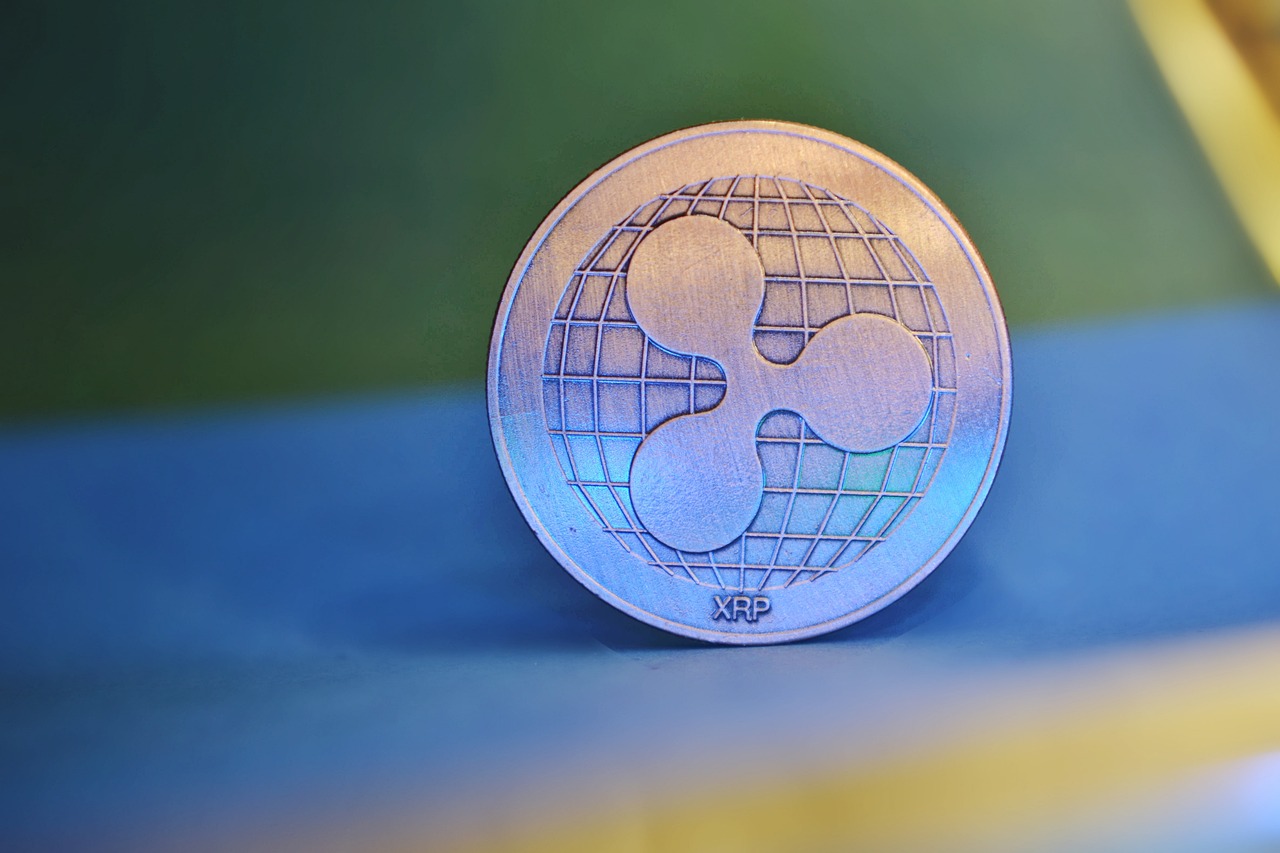
XRP was designed to transform the global financial system by enabling instant cross-border payments. Traditional international transactions often rely on outdated systems that can take several days to settle.
The XRP Ledger provides a faster alternative by enabling transactions to settle in seconds with extremely low fees.
Ripple, the company associated with XRP, has partnered with numerous financial institutions worldwide to test blockchain-based payment infrastructure.
The long-term vision for XRP is to create a global liquidity network capable of replacing traditional banking settlement systems.
If blockchain-based financial infrastructure becomes mainstream, XRP could play a major role in global payments.
3. Chainlink
The Infrastructure Connecting Blockchains to the Real World
Chainlink occupies a unique position within the blockchain ecosystem. Rather than competing with smart contract platforms, Chainlink provides essential infrastructure that allows blockchains to interact with real-world data.
Smart contracts require reliable external information such as market prices, weather data, and financial metrics. Chainlink’s decentralized oracle network securely delivers this data to blockchain applications.
Without oracle networks like Chainlink, many decentralized finance platforms would not be able to function.
Chainlink is also developing cross-chain communication technology that could enable different blockchains to exchange data and assets seamlessly.
This infrastructure could become critical as the blockchain ecosystem grows more interconnected.
4. Cardano
A Research-Driven Blockchain Ecosystem
Cardano is widely known for its academic approach to blockchain development. Unlike many projects that prioritize rapid expansion, Cardano focuses on peer-reviewed research and formal verification.
This methodical approach aims to create a secure and scalable blockchain capable of supporting financial systems, identity solutions, and decentralized applications.
Over the past few years, Cardano has expanded its ecosystem with new decentralized finance platforms, NFT marketplaces, and governance features.
While development has sometimes progressed slowly, supporters believe this careful approach could produce a more sustainable blockchain infrastructure over the long term.
5. Polkadot
Building the Internet of Blockchains
Polkadot was created to solve one of the biggest challenges in the cryptocurrency industry: interoperability.
Instead of operating as a standalone blockchain, Polkadot allows multiple independent blockchains—known as parachains—to connect and share data within a unified ecosystem.
This architecture allows developers to create specialized blockchains optimized for specific use cases while still benefiting from shared security.
As blockchain adoption expands, interoperability could become one of the most important technological foundations for the industry.
Polkadot’s ability to connect different networks may position it as a central hub within the decentralized ecosystem.
6. IOTA
Powering the Machine Economy
IOTA focuses on one of the most ambitious use cases in the blockchain industry: enabling machine-to-machine transactions in the Internet of Things (IoT).
Instead of using a traditional blockchain structure, IOTA uses a unique architecture called the Tangle, which allows transactions to scale as network activity increases.
This system is designed to support microtransactions between connected devices such as autonomous vehicles, smart appliances, and industrial machines.
If the global Internet of Things continues expanding, IOTA’s infrastructure could become an important component of the machine economy.
7. Avalanche
The High-Performance DeFi Network
Avalanche is another high-speed blockchain platform designed for decentralized applications and financial infrastructure.
The network uses a unique consensus mechanism that allows it to finalize transactions extremely quickly while maintaining strong security.
One of Avalanche’s most interesting features is its ability to create custom blockchain networks, known as subnets.
These subnets allow developers and institutions to build specialized blockchains optimized for specific use cases such as gaming, finance, or enterprise applications.
Avalanche’s flexibility has attracted growing interest from developers and institutions alike.
8. Toncoin
The Blockchain Connected to Messaging Platforms
Toncoin powers The Open Network, a blockchain originally developed by the messaging platform Telegram.
With hundreds of millions of users globally, Telegram offers a massive potential user base for blockchain adoption.
The integration of crypto payments, decentralized applications, and digital identity systems within messaging platforms could dramatically accelerate mainstream adoption.
If blockchain technology becomes embedded within everyday communication tools, Toncoin could benefit significantly from this integration.
9. Hedera
Enterprise Blockchain Infrastructure
Hedera Hashgraph uses a unique distributed ledger technology rather than a traditional blockchain.
Its architecture allows for extremely fast transaction speeds and low fees, making it attractive for enterprise applications.
Major corporations have joined the Hedera governing council, including companies from sectors such as technology, telecommunications, and finance.
This corporate backing has helped position Hedera as a potential enterprise-grade infrastructure for decentralized applications and digital asset systems.
10. Sei
A Blockchain Optimized for Trading
Sei is a newer blockchain platform specifically designed to optimize trading applications.
The network focuses on improving the speed and efficiency of decentralized exchanges and financial trading platforms.
By prioritizing order execution speed and low latency, Sei aims to create a blockchain environment tailored for high-frequency trading and financial applications.
As decentralized finance continues evolving, specialized infrastructure like Sei could become increasingly important.
Key Trends Driving the Future of Altcoins
Several major technological and economic trends are shaping the future of blockchain networks.
Institutional Adoption
Large financial institutions are increasingly exploring blockchain technology for payments, asset tokenization, and settlement systems.
Tokenization of Real-World Assets
Stocks, bonds, commodities, and real estate may eventually be represented as digital assets on blockchain networks.
Web3 and Decentralized Applications
Developers are building decentralized alternatives to traditional internet platforms, including social networks, gaming platforms, and financial services.
Artificial Intelligence and Blockchain
The intersection of artificial intelligence and blockchain technology may create new economic systems powered by autonomous digital agents.
Final Thoughts
The cryptocurrency industry continues evolving rapidly as blockchain technology expands into new sectors of the global economy.
Projects such as Solana, XRP, Chainlink, Cardano, Polkadot, IOTA, Avalanche, Toncoin, Hedera, and Sei represent some of the most influential networks shaping the next phase of the digital economy.
While predicting the exact future of cryptocurrency is impossible, these altcoins continue pushing the boundaries of what decentralized technology can achieve.
For investors, developers, and analysts watching the industry closely, these projects remain at the forefront of the blockchain revolution.