

Artificial intelligence is rapidly evolving beyond chatbots and content generation into systems capable of making decisions, completing tasks, and interacting with digital services without constant human involvement. As these AI agents become more autonomous, one question is becoming increasingly important: how will they pay for the services they consume?
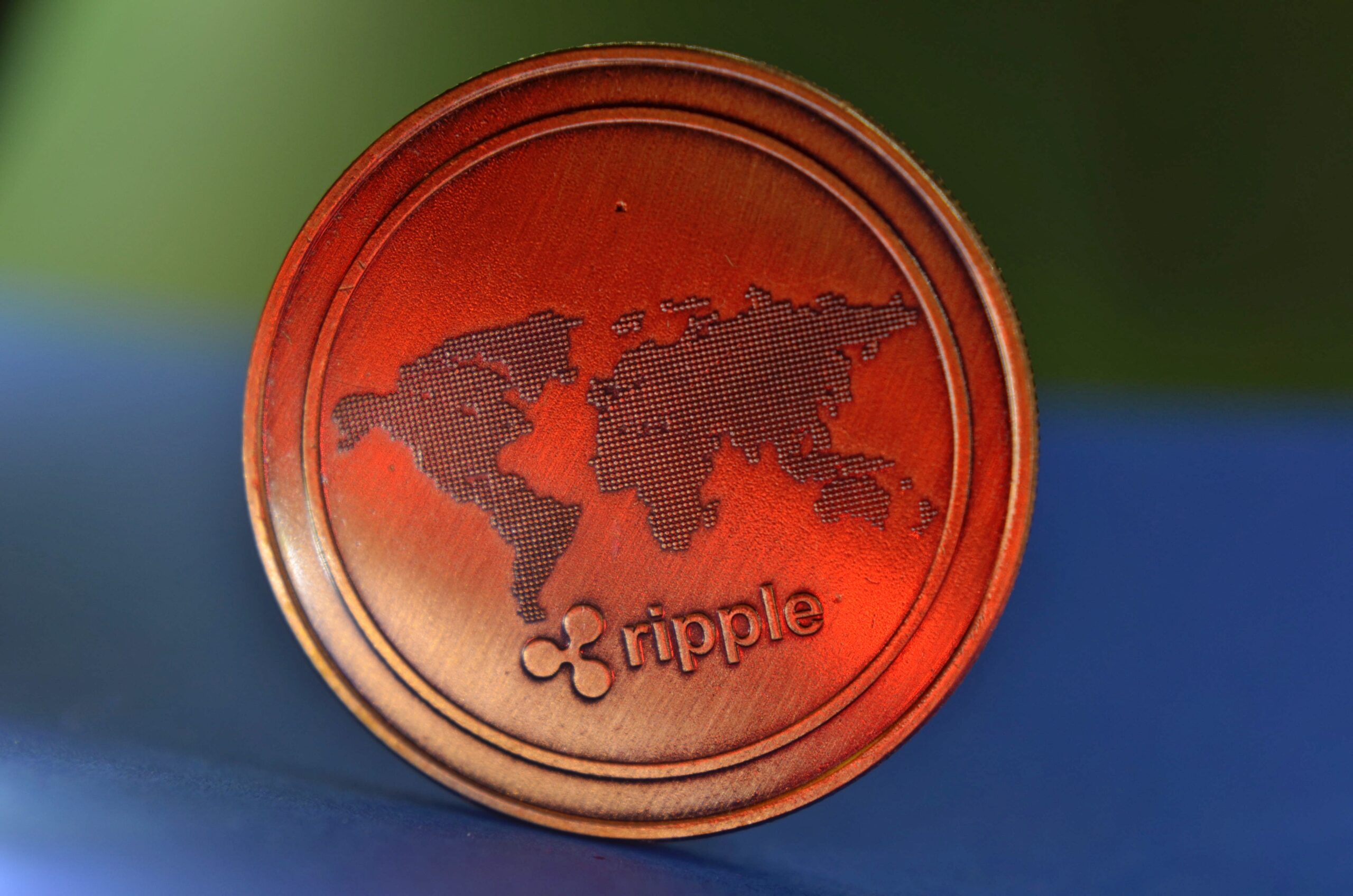
Ripple’s decision to join the x402 Foundation as a Premier Member reflects a growing belief across the technology industry that future internet payments must be as seamless and automated as the exchange of information itself. Rather than focusing solely on cross-border banking, Ripple is now positioning itself within the emerging intersection of artificial intelligence, blockchain infrastructure, and machine-to-machine commerce.
The announcement also demonstrates how blockchain companies are broadening their long-term strategies. For years, Ripple has been closely associated with international payments and enterprise financial infrastructure through the XRP Ledger. While those remain central pillars of its business, participation in an organization dedicated to developing open payment standards for AI-driven applications suggests that Ripple sees autonomous software agents as one of the next major frontiers for digital assets. If AI agents become commonplace across finance, cloud computing, e-commerce, and digital services, payment infrastructure capable of operating without friction could become just as essential as internet connectivity itself.
Why AI Agents Need a Native Payment System
Today’s internet was built primarily for interactions between people. Users browse websites, enter payment information, subscribe to services, and authorize financial transactions through banks or payment processors. Artificial intelligence introduces an entirely different operating model, where software agents may independently negotiate prices, purchase computing resources, pay for APIs, access premium datasets, or complete commercial tasks on behalf of individuals and businesses. Existing payment systems were not designed for millions of autonomous transactions occurring continuously between machines.
This challenge has created growing interest in programmable digital payments that can operate natively across the internet. Blockchain networks offer several characteristics that make them attractive for these emerging use cases, including continuous availability, programmable settlement, transparent transaction records, and the ability to transfer value without relying on traditional banking hours. While technical and regulatory challenges remain, many developers believe distributed ledger technology provides a stronger foundation for machine-driven commerce than legacy financial infrastructure.
Open payment standards are particularly important because AI agents will likely interact across multiple software platforms rather than remaining within closed ecosystems. Just as common internet protocols enabled browsers, websites, and applications to communicate regardless of their developer, payment standards could allow autonomous software to exchange value securely across different blockchain networks and financial environments. Ripple’s involvement in the x402 Foundation reflects broader industry recognition that interoperability will be critical if autonomous commerce is to scale globally.
Ripple Expands Beyond Traditional Cross-Border Payments
Ripple’s participation in the Foundation illustrates how the company continues expanding the role of the XRP Ledger beyond its original focus. Historically, Ripple built its reputation by developing payment infrastructure for financial institutions seeking faster international settlements. More recently, however, the company has increased investment in decentralized finance, tokenization, stablecoins, developer tools, and blockchain infrastructure supporting enterprise applications. These initiatives indicate a strategy designed to position the XRP Ledger within multiple segments of the evolving digital economy rather than relying exclusively on one market.
Support for both XRP and Ripple’s U.S. dollar-backed stablecoin, RLUSD, also highlights another important trend. Stablecoins have become increasingly attractive for institutional and enterprise applications because they reduce the price volatility associated with many cryptocurrencies while maintaining the advantages of blockchain settlement. XRP, meanwhile, continues to serve as a bridge asset for liquidity and value transfer within the XRP Ledger ecosystem. Supporting multiple digital assets provides developers with greater flexibility when designing payment systems for autonomous applications that may have different operational and regulatory requirements.
Ripple is not alone in pursuing AI-related blockchain opportunities. Companies across the industry, including projects focused on decentralized computing, blockchain identity, and machine learning infrastructure, are exploring how artificial intelligence and distributed ledger technology can complement one another. What differentiates Ripple’s approach is its emphasis on payment infrastructure and standards development rather than AI computation itself. Instead of building AI models, the company is contributing to the financial rails that future autonomous systems may rely upon.
Open Standards Could Shape the Next Internet Economy
The technology industry has repeatedly demonstrated that open standards often determine which innovations achieve widespread adoption. Protocols such as HTTP, TCP/IP, and email standards enabled the internet to evolve into a global communication platform because they allowed independent systems to interact seamlessly. Many blockchain developers believe digital payments require similar standardization before autonomous commerce can become mainstream. Organizations such as the x402 Foundation are therefore focused less on promoting individual cryptocurrencies and more on creating technical frameworks that multiple participants can adopt.
Ripple’s role as a Premier Member places the company in a position to contribute to discussions surrounding governance, technical specifications, interoperability, and long-term development. While it remains too early to predict how quickly AI agents will transform commercial activity, the direction of travel is becoming increasingly clear. Businesses are investing heavily in automation, AI capabilities continue advancing rapidly, and demand for internet-native payment systems is likely to grow alongside those developments.
The convergence of artificial intelligence and blockchain represents one of the most closely watched areas of technology today. Challenges involving regulation, security, scalability, and user adoption remain significant, but industry investment suggests that machine-driven commerce is moving steadily from theory toward practical implementation. By joining the x402 Foundation, Ripple is signaling that it intends to help shape that future, not simply by providing digital assets, but by contributing to the payment standards that could underpin the next generation of internet-native economic activity.
About The Author