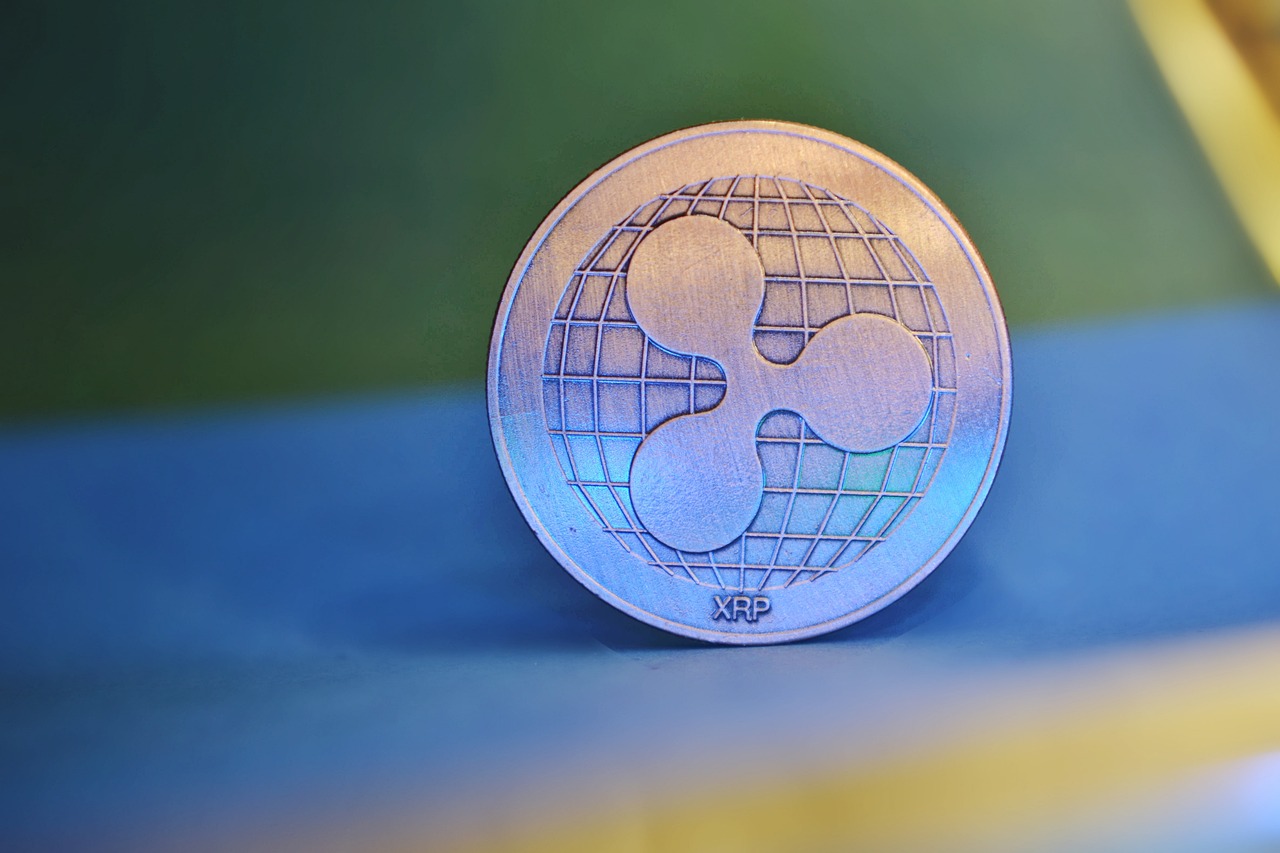
XRP remains one of the most closely watched cryptocurrencies in the market. As the native digital asset associated with the blockchain company Ripple Labs, XRP plays a key role in cross-border payments and financial infrastructure. Despite years of regulatory battles and market volatility, XRP continues to maintain a strong community, high liquidity, and global recognition.
Currently trading around $1.36, XRP sits in a crucial zone where investors are debating whether the next move will be a breakout toward new highs or another consolidation phase.
This article provides a comprehensive price analysis of XRP, including its technical outlook, fundamental drivers, and price predictions through 2030.
XRP Market Overview
XRP was designed to facilitate fast, low-cost cross-border transactions. Unlike many cryptocurrencies focused primarily on decentralized applications, XRP’s core mission revolves around financial settlement infrastructure.
The network powering XRP is the XRP Ledger, a decentralized blockchain known for its speed and efficiency. Transactions settle in roughly 3–5 seconds, making it significantly faster than many traditional banking systems.
Key strengths include:
-
Fast settlement times
-
Low transaction fees
-
High throughput
-
Strong institutional partnerships
Financial institutions that have explored Ripple’s technology include:
-
Santander
-
Standard Chartered
-
Bank of America
This focus on real-world utility is a major reason XRP has remained among the top cryptocurrencies for over a decade.
XRP Price History
Understanding XRP’s price cycles helps contextualize its current market position.
Early Growth (2013–2016)
During its early years, XRP traded at fractions of a cent. The project was largely unknown outside crypto circles.
However, Ripple’s strategy of targeting banks and financial institutions started attracting attention.
The 2017 Bull Run
During the historic 2017 crypto bull market, XRP exploded from under $0.01 to over $3.80, making it one of the best-performing digital assets of that cycle.
The surge was fueled by:
-
speculation
-
exchange listings
-
excitement around Ripple’s banking partnerships
XRP briefly became the second-largest cryptocurrency by market cap.
Regulatory Challenges (2020–2023)
XRP faced a major setback when the **U.S. Securities and Exchange Commission filed a lawsuit against Ripple Labs in 2020.
The regulator alleged that XRP was an unregistered security.
The lawsuit triggered:
-
delistings from major exchanges
-
reduced liquidity
-
price suppression
However, partial legal victories in later years improved investor confidence and helped XRP recover.
Technical Analysis of XRP
Key Support Levels
Strong support zones for XRP currently include:
-
$1.20 – Major psychological level
-
$1.00 – Long-term structural support
-
$0.85 – Historical consolidation zone
If XRP were to fall below $1, the market could enter a deeper accumulation phase.
Major Resistance Levels
Important resistance levels include:
-
$1.50 – Immediate resistance
-
$2.00 – Psychological barrier
-
$3.00 – Major historical resistance
-
$3.80 – Previous all-time high
Breaking above $2 would likely trigger significant momentum across the market.
Market Catalysts That Could Drive XRP Higher
Several macro and industry factors could push XRP higher over the coming years.
1. Institutional Adoption
Ripple’s payment infrastructure continues expanding globally.
Products like RippleNet aim to replace outdated systems like:
-
SWIFT
If financial institutions increasingly adopt blockchain settlement networks, XRP could benefit significantly.
2. Tokenization of Financial Assets
One of the biggest emerging trends in finance is tokenization.
Assets such as:
-
stocks
-
bonds
-
commodities
-
real estate
are increasingly being represented on blockchain networks.
The XRP Ledger is positioning itself as a platform for tokenized assets, which could dramatically expand demand for XRP.
3. Crypto ETFs and Institutional Flows
The approval of cryptocurrency ETFs has already changed the market structure.
Following the success of **Bitcoin ETFs and **Ethereum ETFs, analysts believe more digital assets could eventually receive similar investment products.
If XRP were included in future ETF structures, it could unlock significant institutional demand.
4. Global Payments Market
Cross-border payments represent a trillion-dollar market.
Ripple’s infrastructure targets:
-
remittances
-
interbank settlements
-
liquidity management
If XRP becomes widely adopted in this sector, its valuation could increase dramatically.
XRP Price Prediction (2026–2030)
Predicting cryptocurrency prices involves uncertainty, but by analyzing market cycles, adoption trends, and macro conditions, several scenarios emerge.
XRP Price Prediction 2026
In the short term, XRP will likely follow the broader crypto market cycle.
Bullish Scenario
If the crypto market enters another expansion phase:
-
XRP could reach $3–$5
Drivers would include:
-
institutional adoption
-
new exchange listings
-
favorable regulation
Bearish Scenario
If the market enters consolidation:
-
XRP could trade between $0.90 and $1.80
XRP Price Prediction 2027
By 2027, the cryptocurrency industry may experience deeper integration with traditional finance.
Potential range:
$4 – $8
Key drivers could include:
-
cross-border payment adoption
-
stablecoin integration
-
tokenized financial markets
XRP Price Prediction 2028
Historically, cryptocurrency cycles often align with the **Bitcoin halving events.
If another major bull run occurs around this time, XRP could see substantial upside.
Projected range:
$6 – $12
XRP Price Prediction 2030
Long-term forecasts depend largely on real-world adoption.
If Ripple successfully captures a portion of the global payments market, XRP’s valuation could increase dramatically.
Possible range:
$10 – $25
This would place XRP among the most valuable digital assets in the world.
Risks to the XRP Outlook
Despite its potential, XRP also faces several risks.
Regulatory Uncertainty
Government regulation remains one of the biggest risks for the cryptocurrency industry.
Even though Ripple has scored legal victories, regulatory frameworks continue evolving worldwide.
Competition
XRP is not the only blockchain targeting cross-border payments.
Competitors include:
-
Stellar
-
Solana
-
Ethereum
These networks are also building financial infrastructure solutions.
Market Cycles
Cryptocurrency markets are historically volatile.
Even strong projects can experience 80% drawdowns during bear markets, meaning XRP investors must be prepared for large swings.
Is XRP Undervalued?
Many analysts believe XRP could be undervalued relative to its potential role in global payments.
Consider the scale of the markets Ripple targets:
-
Global payments: $150+ trillion annually
-
Remittances: $800+ billion annually
-
Tokenized assets: trillions in potential value
If XRP captures even a small share of these markets, its valuation could increase significantly.
Final Thoughts
XRP remains one of the most debated cryptocurrencies in the market. Supporters believe it could become a core layer of global financial infrastructure, while critics argue its growth depends heavily on institutional adoption.
What is clear, however, is that XRP continues to play a unique role in the cryptocurrency ecosystem.
With strong liquidity, global recognition, and ongoing development on the XRP Ledger, the asset remains a major contender as the crypto industry evolves.
For investors looking toward the next market cycle, XRP may represent one of the most interesting high-risk, high-reward opportunities in the digital asset market.
About The Author