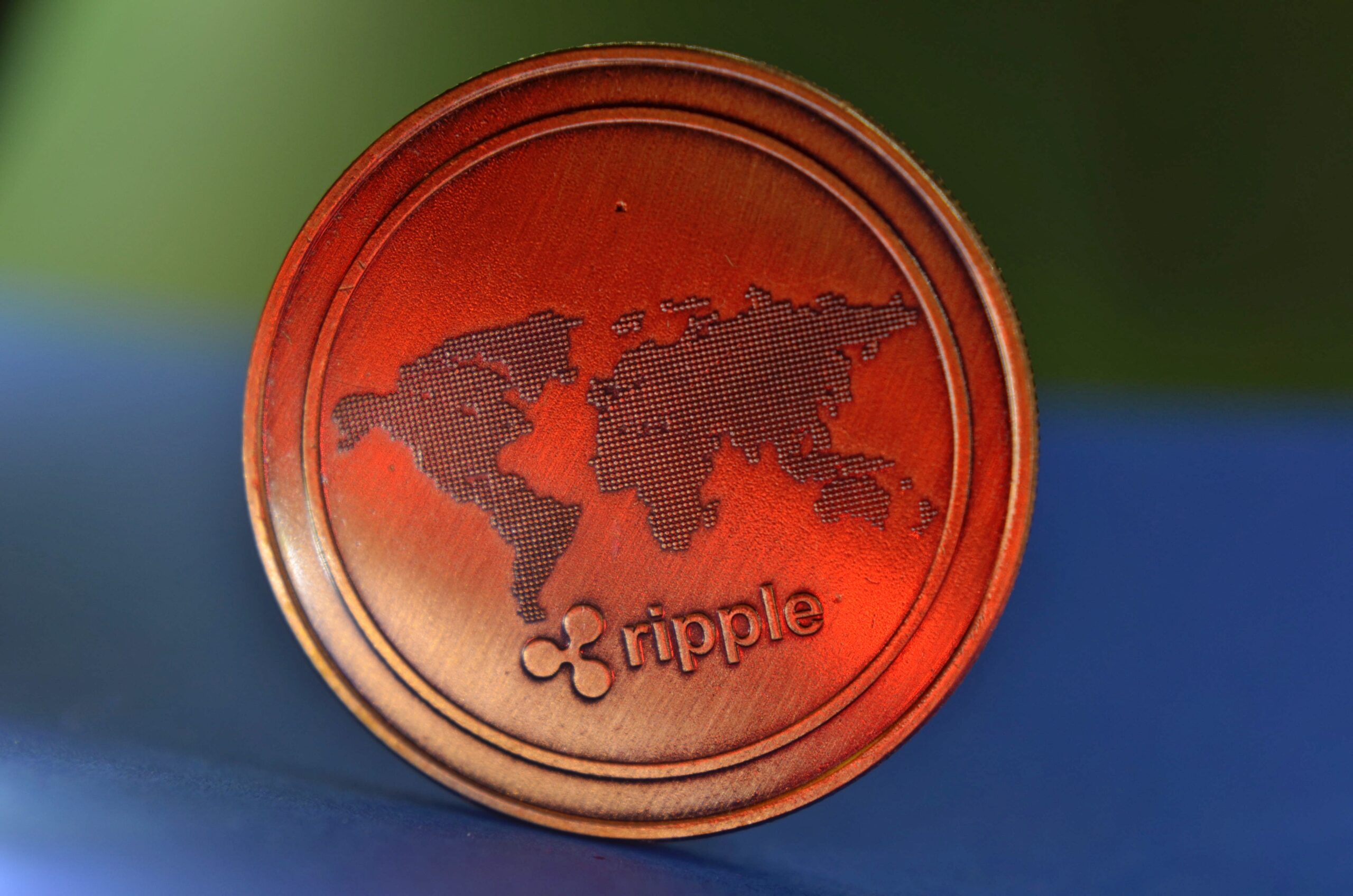
Ripple has raised $275 million through investment-grade senior notes, with the funds set to support the expansion of Ripple Prime, its prime brokerage business targeting institutional clients.
The financing marks another step in Ripple’s broader strategy to build financial infrastructure for institutions operating across traditional and digital asset markets. Rather than focusing solely on payments or the XRP ecosystem, Ripple has continued expanding into services designed for asset managers, trading firms, financial institutions and other professional market participants.
Ripple Prime sits at the center of that strategy.
Ripple Targets the Institutional Digital Asset Market
Prime brokerage services typically provide institutional clients with access to trading, liquidity, financing, custody and other services needed to operate efficiently across financial markets.
For digital assets, the sector has become increasingly important as institutional participation grows. Large investors and financial firms generally require more than access to a crypto exchange. They need infrastructure capable of handling large transactions, managing counterparty risk and connecting different parts of the trading and financial ecosystem.
Ripple’s decision to raise $275 million through senior notes suggests that the company is continuing to invest in building that institutional infrastructure.
The funding could give Ripple additional flexibility as it expands Ripple Prime and competes for a larger share of the institutional digital asset market.
Related: XRP News: Ripple Expected at Trump White House Meeting on Crypto Regulation
This is also notable because the capital was raised through investment-grade senior notes rather than a traditional crypto-focused token sale or equity financing round. The structure places Ripple’s financing strategy closer to conventional corporate capital markets.
That distinction matters as the company continues positioning itself as a provider of financial infrastructure rather than simply a blockchain or cryptocurrency company.
Ripple has spent recent years expanding its portfolio beyond cross-border payments. Its growing business now spans stablecoins, custody, institutional services and other areas connecting blockchain technology with established financial markets.
Ripple Prime represents an important piece of that expansion.
Why Ripple Prime Could Become Increasingly Important
Institutional adoption of digital assets is changing the type of infrastructure the market requires.
Early crypto markets were largely built around exchanges serving retail traders and crypto-native participants. Institutional markets operate differently. Large firms require deeper liquidity, more sophisticated execution, risk management and integrated financial services.
Prime brokerage is designed to address those needs.
By directing new capital toward Ripple Prime, Ripple appears to be positioning itself for a market where digital assets increasingly become part of broader institutional portfolios and financial operations.
The move could also strengthen Ripple’s ability to compete with established crypto firms and traditional financial companies moving into digital assets.
For Ripple, the opportunity is larger than providing access to XRP or facilitating individual blockchain transactions. The company is building toward a broader role in the infrastructure layer supporting institutional participation across digital markets.
Related: Ripple Expands in South Korea: What Ripple’s Jeonbuk Bank Partnership Could Mean for XRP
That strategy could become particularly important as stablecoins, tokenized assets and blockchain-based settlement continue attracting attention from banks, asset managers and payment companies.
Institutions entering these markets will need reliable infrastructure to trade, hold and move assets. Companies capable of providing those services at scale could benefit as the market matures.
Ripple’s $275 million raise therefore represents more than a simple financing event.
It highlights the company’s growing focus on institutional financial services and its effort to establish Ripple Prime as a significant part of its long-term business.
As digital assets move further into traditional finance, the competition may increasingly shift away from which cryptocurrency attracts the most attention and toward which companies control the infrastructure institutions actually use.
With fresh capital directed toward Ripple Prime, Ripple is making a clear bet on that future.
About The Author