Ripple Brazil Enters Central Bank Review as Country Tightens Crypto Licensing Rules
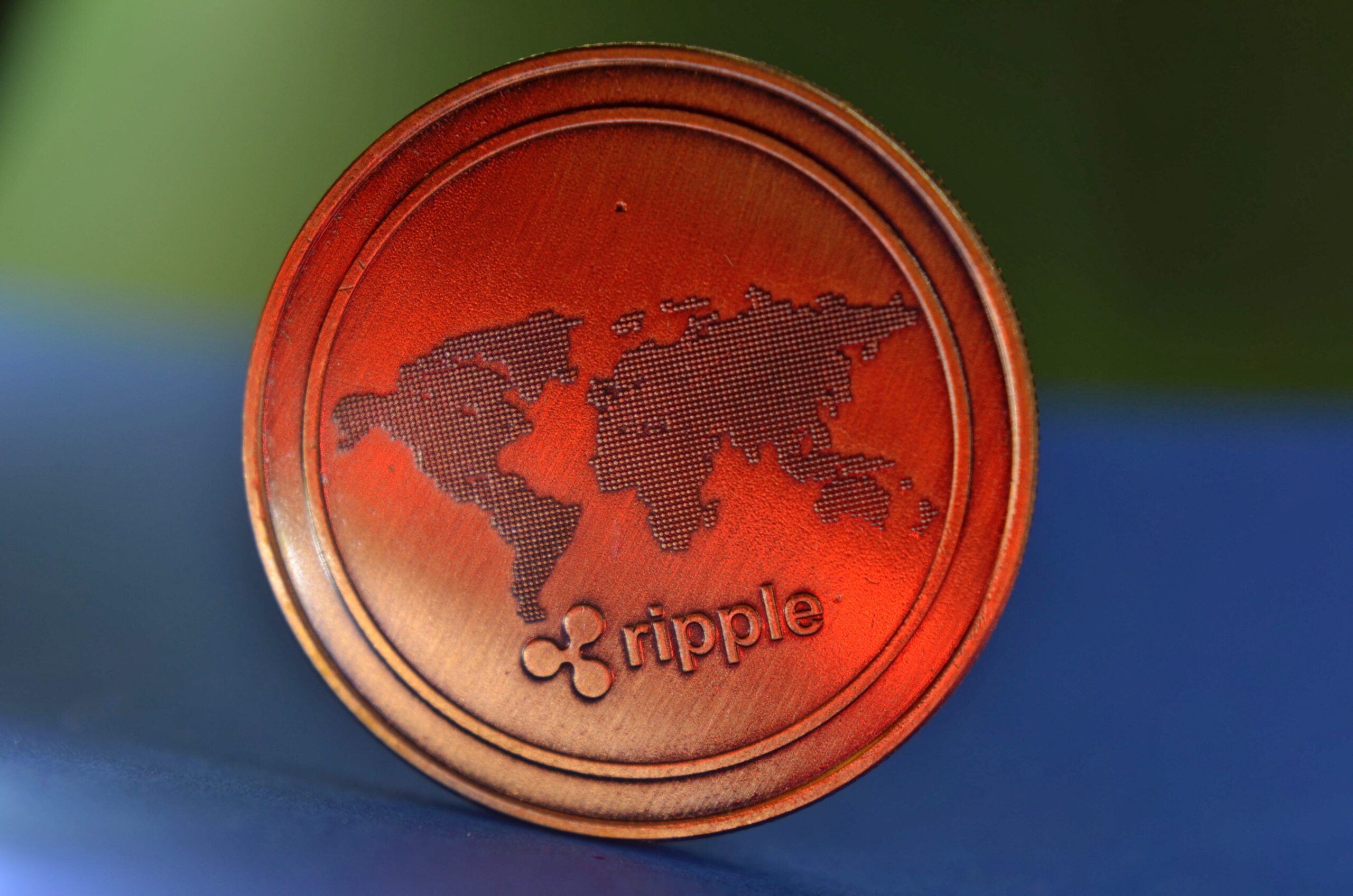
Ripple has entered the formal review process for authorization to provide virtual asset services in Brazil, marking another step in the company’s efforts to strengthen its position in one of Latin America’s largest cryptocurrency markets. The Central Bank of Brazil’s official register lists Ripple Brasil Sociedade Prestadora de Serviços de Ativos Virtuais Ltda. with the status “Em exame,” meaning its application is under examination.
The application was reportedly submitted on October 28, just two days before the October 30 deadline established for existing virtual asset service providers. Ripple’s filing places it within Brazil’s regulatory transition process, allowing the company to continue operating under the applicable conditions while the regulator evaluates its submission. However, the pending application does not mean Ripple has received final authorization.
The move follows Ripple’s March 2026 announcement that it intended to seek authorization from Brazilian regulators. The company has described Brazil as an important market for its long-term strategy, particularly as demand grows for blockchain-based financial infrastructure, cross-border payments and digital asset services.
Brazil’s New Crypto Licensing Framework
The Central Bank’s Resolution 520, published in November 2025, established rules governing virtual asset service providers and the activities they can conduct in Brazil. The framework introduces requirements covering corporate governance, operational controls, customer protection, custody arrangements and anti-money-laundering procedures. It also establishes different authorization categories for companies operating as brokers, intermediaries and custodians.
The October 30 deadline applied to companies already providing virtual asset services when the new framework entered its transition phase. Existing providers were required to submit authorization applications to remain eligible to operate while their cases were being assessed. The deadline was therefore not the date by which every company needed to receive final approval.
On November 6, the Central Bank published an official register identifying 120 applications from virtual asset service providers. Of these, 119 were listed as under examination, while one had been rejected. Ripple Brasil appeared in the register as an applicant seeking authorization to operate as a broker. The regulator separately listed 24 financial institutions already authorized to provide certain virtual asset services under a different regulatory route.
Related: XRP Ledger Enters Brazil’s $4 Trillion Securities Market as Ripple Partners With CSD BR
The distinction between pending applications and approved providers is important. Companies that filed within the transition deadline may continue providing the services covered by their applications while the Central Bank conducts its review, provided they comply with the applicable conditions. The filing itself does not guarantee approval, and the regulator can request additional documentation or take further action during the assessment.
The new rules also affect the wider financial ecosystem. From November 6, regulated banks and payment institutions became subject to restrictions on facilitating virtual asset transactions involving providers that are not authorized or covered by the applicable authorization process. This gives the Central Bank’s published register practical importance for exchanges, payment companies, banks and other businesses working with crypto providers.
What Ripple’s Application Means for Its Brazilian Strategy
Brazil is an important market for Ripple’s ambitions in digital payments and financial infrastructure. The company has spent years developing relationships across the region and positioning its technology for cross-border transfers, liquidity management and institutional digital asset services. Regulatory authorization could provide a more clearly defined operating framework as Brazilian institutions expand their engagement with blockchain-based financial products.
Ripple’s application also reflects a broader shift among international crypto companies. Major industry participants, including Coinbase, Binance, Bybit, OKX and other providers, have pursued authorization as Brazil moves toward a more formal licensing regime. Traditional financial institutions are also entering the market, showing that the regulatory transition extends beyond cryptocurrency exchanges.
For Ripple, obtaining approval could strengthen its ability to serve customers under Brazil’s developing digital asset rules. It would also provide greater regulatory clarity for partners considering the use of its payment and blockchain infrastructure. However, the specific services Ripple can provide will depend on the authorization category granted and any additional regulatory permissions required for individual activities.
The application does not automatically mean that XRP will receive new regulatory status in Brazil or that demand for the token will increase. Authorization concerns the company’s provision of virtual asset services, while the treatment of individual assets and the commercial use of Ripple’s products remain separate matters.
Ultimately, Ripple’s appearance on the Central Bank’s register is a meaningful regulatory milestone, but the final decision remains outstanding. Brazil is moving toward a more structured crypto market in which providers must demonstrate that their operations meet defined standards. For Ripple, the review will determine how its Brazilian business fits into that framework and whether it can continue expanding under a formal federal authorization.
About The Author