
The cryptocurrency landscape in 2026 is no longer dominated solely by Bitcoin and Ethereum. While these “blue-chip” assets still command market headlines, altcoins—cryptocurrencies beyond the top two—are emerging as the engines of innovation, offering unique technological value, governance models, and financial opportunities. Investors and enthusiasts are now closely monitoring altcoin trends, understanding that these digital assets can outperform larger cryptocurrencies when strategic insight and careful analysis are applied.
The Rise of Layer-1 and Layer-2 Altcoins
Altcoins are no longer just speculative assets. In 2026, the focus has shifted to projects with real-world utility. Layer-1 blockchains like Solana and Avalanche continue to innovate with scalable, high-throughput networks, while Layer-2 solutions like Polygon and Arbitrum enhance Ethereum’s capabilities, allowing faster and cheaper transactions.
Investors analyzing these projects now consider factors beyond token price. Network activity, developer engagement, and ecosystem growth are critical indicators of long-term sustainability. For instance, a surge in decentralized finance (DeFi) applications or NFT marketplaces on a given blockchain often correlates with a rising valuation for the underlying altcoin.
Market Sentiment and Altcoin Cycles
Altcoin performance historically follows Bitcoin’s market cycles but can diverge dramatically during periods of innovation or hype. 2026 has already seen notable examples: meme coins like PEPE and utility-driven projects like IOTA have experienced sharp price movements driven by social sentiment and technological milestones, rather than macro Bitcoin trends.
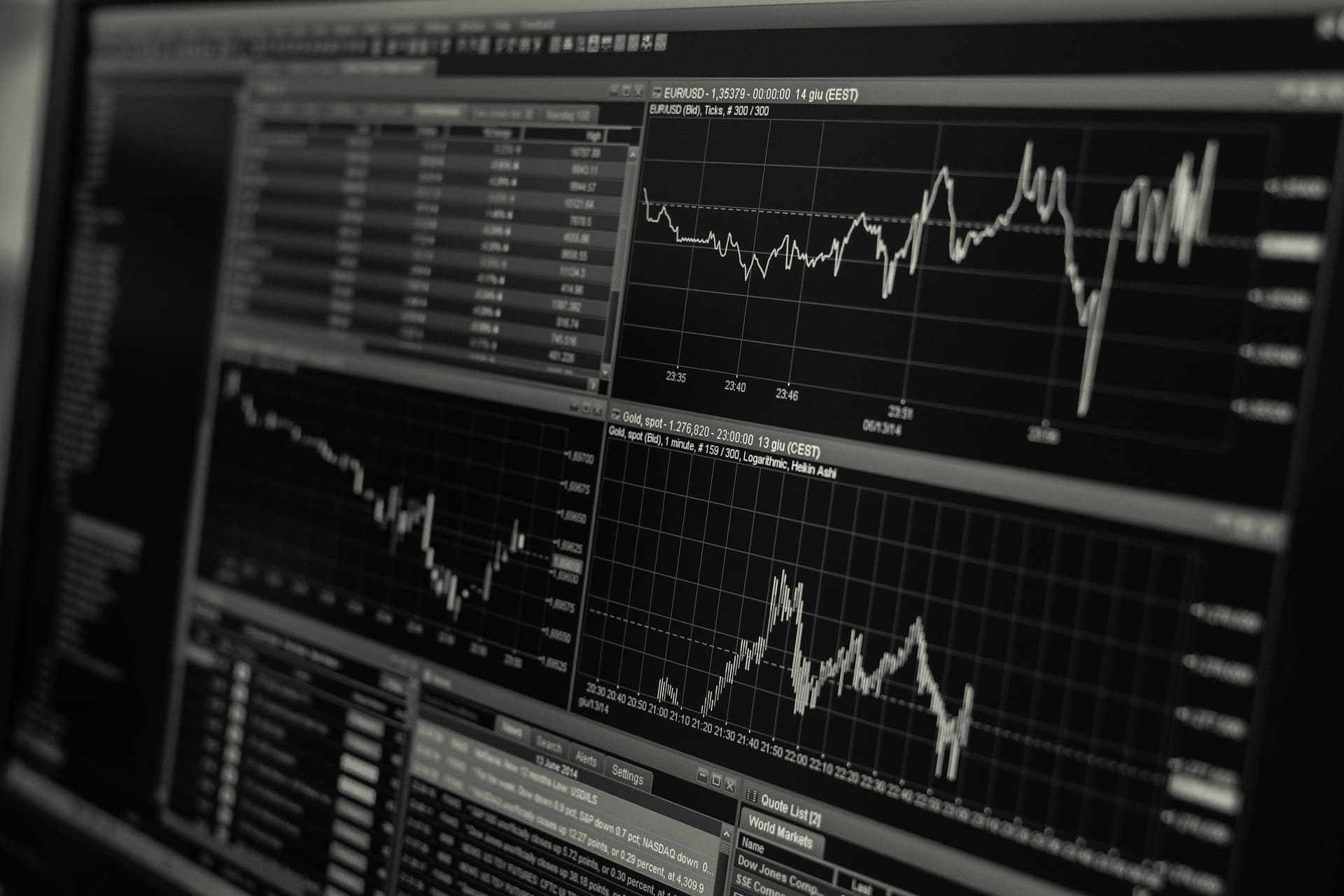
Technical analysis tools—such as moving averages, RSI, and on-chain metrics like token velocity—remain essential for traders. However, the modern altcoin analyst must also track cross-market signals: geopolitical tensions, regulatory announcements, and shifts in traditional markets, including tech stocks and commodities, increasingly influence altcoin valuations.
Regulatory Landscape: Risks and Opportunities
Regulators worldwide are taking a closer look at altcoins. While U.S. regulators debate frameworks for classifying certain digital assets as securities, other regions like the UAE and Singapore continue to promote crypto-friendly policies. Altcoin investors need to weigh the risk of compliance actions against the potential for adoption in more permissive markets. Projects with transparent governance and regulatory-compliant tokenomics often enjoy enhanced credibility and institutional interest.
Data-Driven Altcoin Analysis
Sophisticated investors now combine traditional market indicators with blockchain-specific data:
-
Transaction Volume: High on-chain activity indicates a network’s utility.
-
Developer Engagement: Frequent commits, protocol upgrades, and SDK releases show long-term viability.
-
Liquidity & Exchange Listings: Diverse exchange support and liquidity pools improve token stability and access.
-
Community Growth: Active communities on Discord, Telegram, or Twitter often signal sustained adoption and marketing momentum.
Projects like Hedera Hashgraph and Cardano demonstrate that long-term technical development, paired with active ecosystems, can outperform short-term hype-driven tokens, making them key candidates for strategic portfolio inclusion.
Top Altcoins to Watch in 2026
While markets remain volatile, several altcoins stand out based on utility, adoption, and developer momentum:
-
IOTA: Pioneering the integration of IoT with blockchain for microtransactions and real-time data monetization.
-
Cardano: Strengthening its decentralized finance ecosystem and real-world smart contract adoption.
-
Hedera Hashgraph: Building the “trust layer” of the internet with scalable and energy-efficient distributed ledger technology.
-
Solana & Avalanche: High-performance chains powering DeFi, NFTs, and enterprise blockchain solutions.
-
PEPE & Meme Coins: Despite high volatility, social-driven tokens can generate outsized short-term gains if timed correctly.
Investors must balance the high potential rewards of altcoins with inherent volatility and the need for careful risk management.
The Future of Altcoin Analysis
As 2026 progresses, altcoin analysis is becoming increasingly sophisticated. Beyond traditional price charts, investors are leveraging AI-powered predictive models, on-chain analytics, and sentiment tracking across social media. The integration of macroeconomic trends, technological milestones, and community dynamics creates a comprehensive picture that can guide investment strategies.
In essence, altcoins represent more than speculative assets—they are experiments in decentralized finance, governance, and technology. Investors who combine rigorous research, on-chain analysis, and strategic timing are likely to identify the next generation of market leaders.
Conclusion: The altcoin market of 2026 is more mature, data-driven, and opportunity-rich than ever before. While volatility is a given, informed analysis—rooted in technology, adoption, and macro trends—can separate winners from fleeting fads. For investors willing to dig into the details, the altcoin space promises both innovation and financial upside.
About The Author