

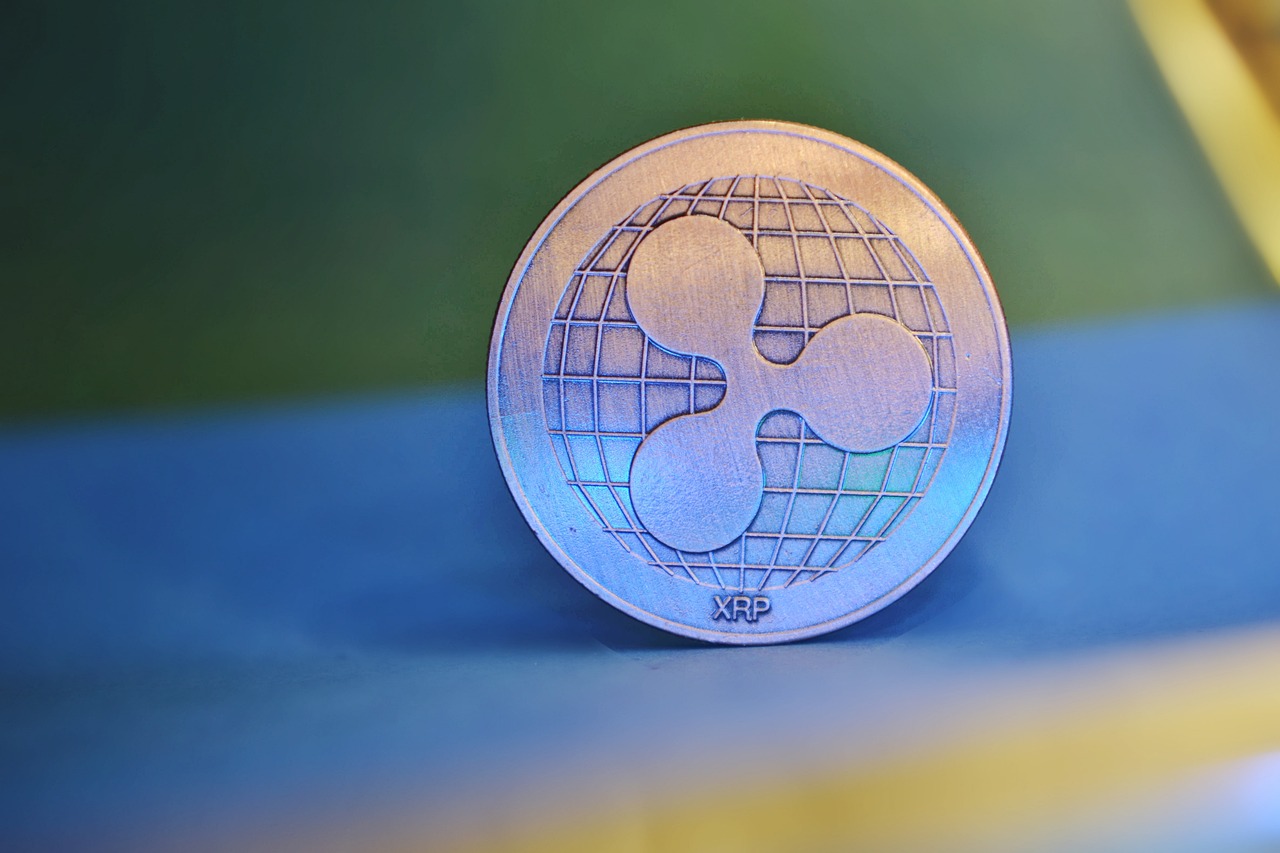
Ripple has spent years building real-world partnerships with banks, payment companies, governments, and financial institutions. The goal is simple—but ambitious: to fix the global payments system using blockchain technology and XRP.
Today, Ripple (XRP) partnerships form one of the largest institutional networks in crypto. And while it may not always dominate headlines, its influence is steadily growing behind the scenes.
Why Ripple Focuses on Partnerships
To understand Ripple’s strategy, you need to understand the problem it’s solving.
Traditional cross-border payments are:
- Slow (often taking days)
- Expensive (high fees and intermediaries)
- Inefficient (requiring pre-funded accounts)
Ripple’s solution—RippleNet and On-Demand Liquidity (ODL)—uses XRP to move money instantly across borders without needing large reserves of foreign currency.
But here’s the key: this system only works if institutions adopt it.
That’s why Ripple has focused heavily on partnerships from day one.
Major Banking Partnerships Driving Adoption
A big part of Ripple (XRP) partnerships comes from the global banking sector.
Major institutions like Santander and Standard Chartered have explored Ripple’s technology to improve international payments.
One of Ripple’s strongest allies is SBI Holdings, which has actively promoted XRP adoption across Asia and integrated Ripple solutions into its ecosystem.
In the U.S., PNC Financial Services has used RippleNet to help business clients move money faster across borders.
Even established financial giants like American Express have worked with Ripple to test blockchain-based payment corridors.
What this means:
Banks are no longer ignoring blockchain—they are actively testing and integrating it, and Ripple is at the center of that shift.
Remittance Companies Proving Real-World Use
While banks test the technology, remittance companies are already using it in real-world scenarios.
Companies like MoneyGram, Tranglo, and Azimo have leveraged Ripple’s ODL system.
Here’s why this matters:
Instead of:
- Holding money in multiple countries
- Waiting days for transfers
Ripple allows:
- Instant currency conversion using XRP
- Lower costs
- Faster transactions
Some partnerships, like MoneyGram, have changed over time due to regulatory and business factors. But the broader trend remains clear—Ripple is already being used in global payment flows.
Central Banks and Government-Level Partnerships
Ripple isn’t just working with private companies—it’s also collaborating with governments.
The Central Bank of Bhutan partnered with Ripple to explore a central bank digital currency (CBDC).
The Republic of Palau has also worked with Ripple on digital currency initiatives.
In Europe, Ripple has engaged with the Montenegro Government on blockchain strategy and digital payments.
These partnerships are important because they show:
- Governments are taking blockchain seriously
- Ripple is part of early national-level experiments
Payment Platforms and Fintech Expansion
Ripple has also built strong relationships with fintech companies that handle global payments.
Companies like Nium and FlashFX use Ripple’s infrastructure to improve international transfers.
These partnerships help:
- Expand Ripple’s payment corridors
- Increase global reach
- Improve speed and liquidity
As fintech continues to grow, Ripple is positioning itself as the engine behind cross-border transactions.
Strong Presence in Asia and the Middle East
One of the most important aspects of Ripple (XRP) partnerships is its regional strength.
Asia-Pacific
Ripple has built a strong network in Asia, including:
- SBI Remit
- Bank of the Philippine Islands
- BDO Unibank
Middle East
Ripple is also expanding in the Middle East with:
- Qatar National Bank
- Saudi British Bank
These regions are key because:
- They have high remittance activity
- They are adopting fintech quickly
- They need faster payment systems
Enterprise Support From Global Consulting Firms
Ripple’s growth is also supported by enterprise giants like Deloitte and Accenture.
These firms help:
- Integrate Ripple technology into businesses
- Advise institutions on blockchain adoption
- Scale real-world implementation
This adds credibility and helps Ripple expand beyond crypto-native companies.
Exchanges and Liquidity: Powering XRP
For Ripple’s system to work, XRP needs liquidity—and that comes from exchanges.
Platforms like Bitstamp, Kraken, and Coins.ph play a key role.
They enable:
- Currency conversion
- XRP trading
- Cross-border liquidity
Without these partners, Ripple’s payment system wouldn’t function at scale.
What Makes Ripple (XRP) Partnerships Unique
Unlike many crypto projects, Ripple isn’t trying to replace the financial system—it’s trying to upgrade it.
Its partnerships focus on:
- Real-world payments
- Institutional adoption
- Financial infrastructure
This makes Ripple fundamentally different from DeFi-focused ecosystems.
Final Thoughts: A Long-Term Bet on Global Finance
Ripple’s strategy is not about quick wins—it’s about long-term transformation.
By building a global network of banks, payment providers, governments, and fintech firms, Ripple is positioning itself as a core layer of future financial infrastructure.
There are still challenges:
- Regulatory uncertainty
- Competition from other blockchain networks
- Adoption at scale
But one thing is clear:
Ripple (XRP) partnerships are among the strongest in the crypto industry—and they are built for real-world impact.
If blockchain is going to transform global payments, Ripple has already secured a seat at the table
About The Author