Japan is taking another step toward modernizing its financial infrastructure as Japan Securities Clearing Corporation launches a new trial involving tokenized government bonds. The initiative, conducted in collaboration with Mizuho Financial Group and Nomura Holdings, will explore the use of digital representations of bonds as collateral on the Canton Network. The pilot reflects a growing global trend toward integrating blockchain technology into traditional financial markets, particularly in areas like collateral management and settlement efficiency.
At its core, the trial is focused on improving how collateral is used in financial transactions. Government bonds are widely considered one of the safest forms of collateral, but the systems used to manage them are often complex, slow, and reliant on multiple intermediaries. By tokenizing these assets and placing them on a blockchain-based network, JSCC and its partners aim to streamline processes, reduce friction, and enhance transparency.
Why Tokenized Collateral Matters for Financial Markets
Collateral plays a critical role in modern finance, underpinning everything from derivatives trading to interbank lending. However, traditional collateral systems are often constrained by operational inefficiencies. Transfers can take time to settle, reconciliation between parties can be cumbersome, and the lack of real-time visibility can increase risk during periods of market stress.
Tokenization offers a potential solution by converting physical or traditional financial assets into digital tokens that can be transferred and managed on a blockchain. In this case, Japanese government bonds are being digitized and tested as collateral within a controlled environment. This allows for near-instant settlement, improved traceability, and more efficient use of capital.
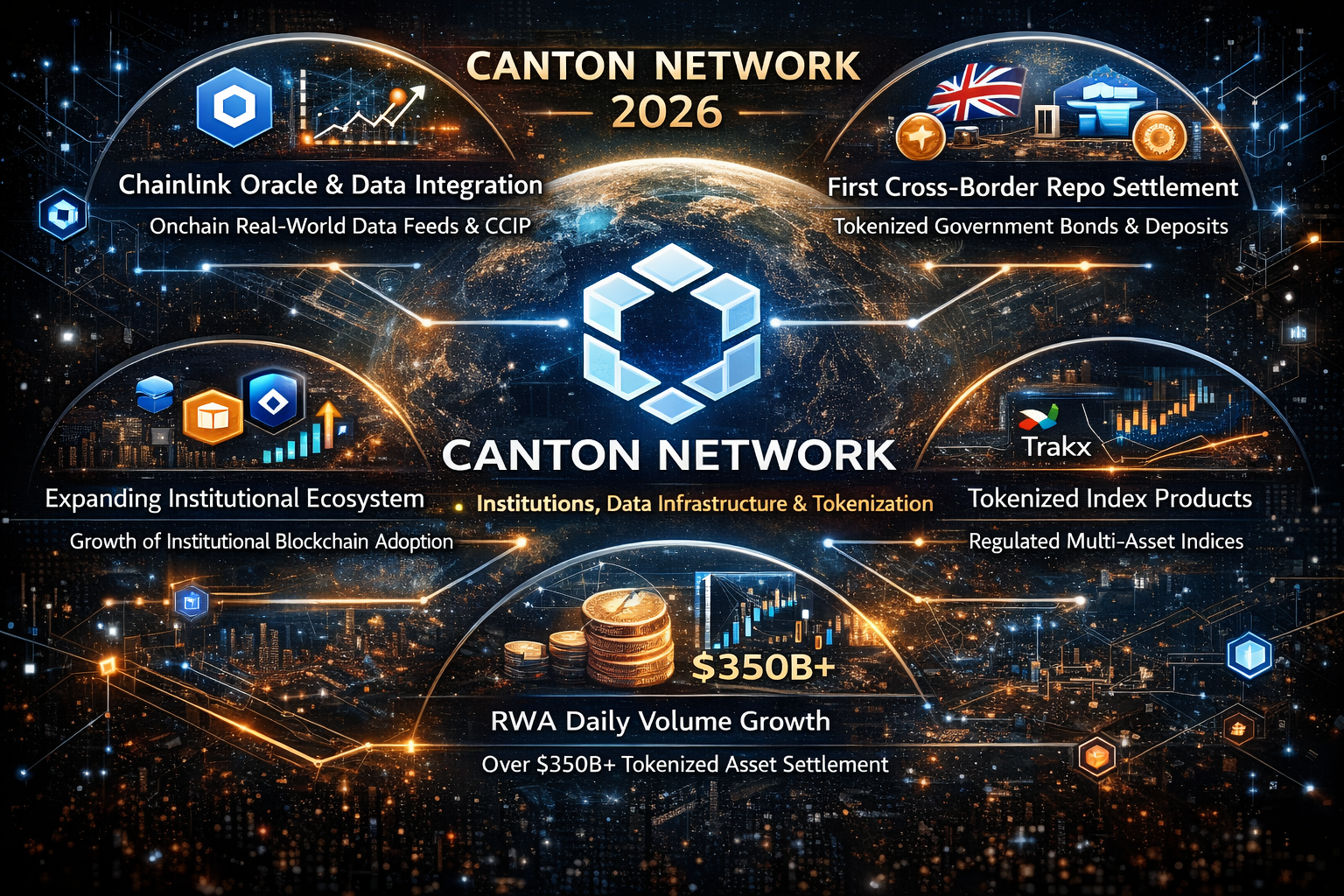
The use of the Canton Network is particularly significant. Unlike public blockchains, Canton is designed for institutional use, enabling privacy, compliance, and interoperability between financial institutions. This makes it well-suited for applications where sensitive financial data must be protected while still benefiting from the efficiencies of distributed ledger technology.
A Step Toward the Future of Institutional Finance
The involvement of major financial institutions like Mizuho and Nomura highlights the seriousness of the initiative. These firms are not only testing new technology but also exploring how it can be integrated into existing financial systems. For Japan, a country with one of the largest government bond markets in the world, the implications are substantial.
If successful, the trial could pave the way for broader adoption of tokenized assets in collateral management. This could lead to faster settlement times, reduced counterparty risk, and more flexible use of assets across different markets. It also aligns with global efforts to modernize financial infrastructure, as regulators and institutions seek to improve resilience and efficiency in an increasingly digital economy.
At the same time, the transition to tokenized systems is not without challenges. Regulatory frameworks must evolve to accommodate new forms of digital assets, and interoperability between different platforms will be critical for widespread adoption. Ensuring security and maintaining trust in these systems will also be essential, particularly as they handle high-value financial instruments.
Ultimately, the JSCC trial represents more than just a technical experiment—it is part of a broader shift toward digitizing the core components of financial markets. By exploring how government bonds can function as tokenized collateral on a blockchain network, Japan is positioning itself at the forefront of this transformation. As similar initiatives emerge globally, the results of this trial could provide valuable insights into the future of institutional finance.
About The Author