
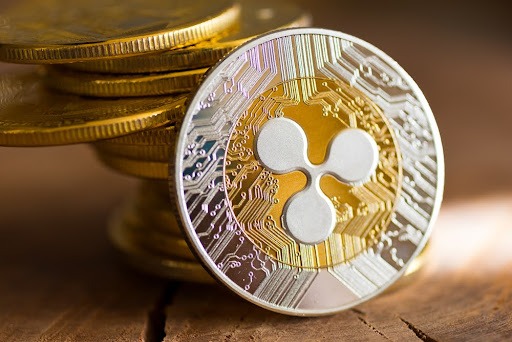
The expansion of cryptocurrency access continues to accelerate as Ripple highlights a new milestone for XRP adoption. SoFi, one of the first nationally chartered digital banks in the United States, has announced support for XRP deposits alongside major cryptocurrencies such as Bitcoin, Ethereum, and Solana. The move signals a growing alignment between traditional financial platforms and digital asset ecosystems, reinforcing the idea that accessibility is a key driver of utility.
By enabling users to deposit and manage XRP within its platform, SoFi is effectively lowering the barrier to entry for millions of customers who may not have previously interacted with the asset. This kind of integration is critical in transitioning cryptocurrencies from niche investment tools into widely used financial instruments. As Ripple emphasizes, broader access directly contributes to increased participation—and ultimately, greater real-world use.
More access to $XRP with @SoFi means more people can participate, and that's exactly how utility grows. 📶 https://t.co/IqxZGvM4cJ
— Ripple (@Ripple) April 21, 2026
Bringing XRP Into Mainstream Financial Platforms
SoFi’s decision to support XRP deposits reflects a broader trend among fintech platforms to expand their crypto offerings. Rather than requiring users to rely on specialized exchanges, these platforms are integrating digital assets directly into their existing ecosystems. This allows customers to buy, sell, hold, and now deposit cryptocurrencies within a single, unified application.
For XRP, this development is particularly significant. The asset has long been positioned as a bridge currency for cross-border payments, with a focus on speed and cost efficiency. However, its adoption has often been tied to institutional use cases rather than retail accessibility. By integrating XRP into a consumer-facing platform like SoFi, the asset gains exposure to a wider audience, potentially increasing its liquidity and usage.
The inclusion of XRP alongside other major cryptocurrencies also reinforces its status as a core digital asset within the market. As platforms compete to offer comprehensive crypto services, the selection of supported assets becomes a signal of market relevance. In this context, SoFi’s support for XRP suggests confidence in its long-term role within the digital asset ecosystem.
Related: Ripple Plans Full Post-Quantum Upgrade for XRP Ledger by 2028
Accessibility as the Key to Crypto Utility
The broader implication of this integration is the growing importance of accessibility in driving crypto adoption. While technological innovation remains critical, the ability for users to بسهولة interact with digital assets through familiar platforms is equally important. By embedding crypto functionality into mainstream financial services, companies like SoFi are helping to normalize its use.
This shift is part of a larger convergence between traditional finance and blockchain technology. Rather than operating in separate silos, the two are increasingly interconnected, with fintech platforms serving as bridges between them. This hybrid model allows users to benefit from the advantages of both systems—combining the security and regulatory oversight of traditional banking with the efficiency and flexibility of digital assets.
Related: XRP Goes Multichain as Wrapped XRP Launches on Solana
However, challenges remain. Regulatory considerations continue to shape how cryptocurrencies are integrated into financial platforms, particularly in jurisdictions with evolving legal frameworks. Ensuring compliance while maintaining user-friendly experiences will be a key factor in determining the success of these initiatives.
Ultimately, SoFi’s support for XRP deposits represents more than just a feature update—it is a step toward broader mainstream adoption. By making digital assets more accessible, the industry moves closer to a future where cryptocurrencies are not just held, but actively used within everyday financial systems. For XRP, this increased accessibility could play a crucial role in expanding its utility and reinforcing its position in the global digital economy.
Related: XRP Down 63% as Sentiment Hits 2-Year Extreme: What the Data Shows
About The Author