A set of under‑the‑radar altcoins and thematic niches is quietly attracting institutional and retail attention. With Bitcoin dominance persistently high and broad “altcoin season” sentiment tepid, traders, developers and ecosystem builders are zeroing in on specific technological segments that could define the next phase of decentralized finance and Web3 innovation.
Rather than a broad rally encompassing hundreds of tokens, this year’s crypto landscape favors specialized utility, cross‑sector integration, and community‑driven experiments.
1. Decentralized Intelligence and Machine Learning Networks
One of the more intriguing developments this cycle is the emergence of networks that merge blockchain economics with decentralized AI and machine intelligence.
-
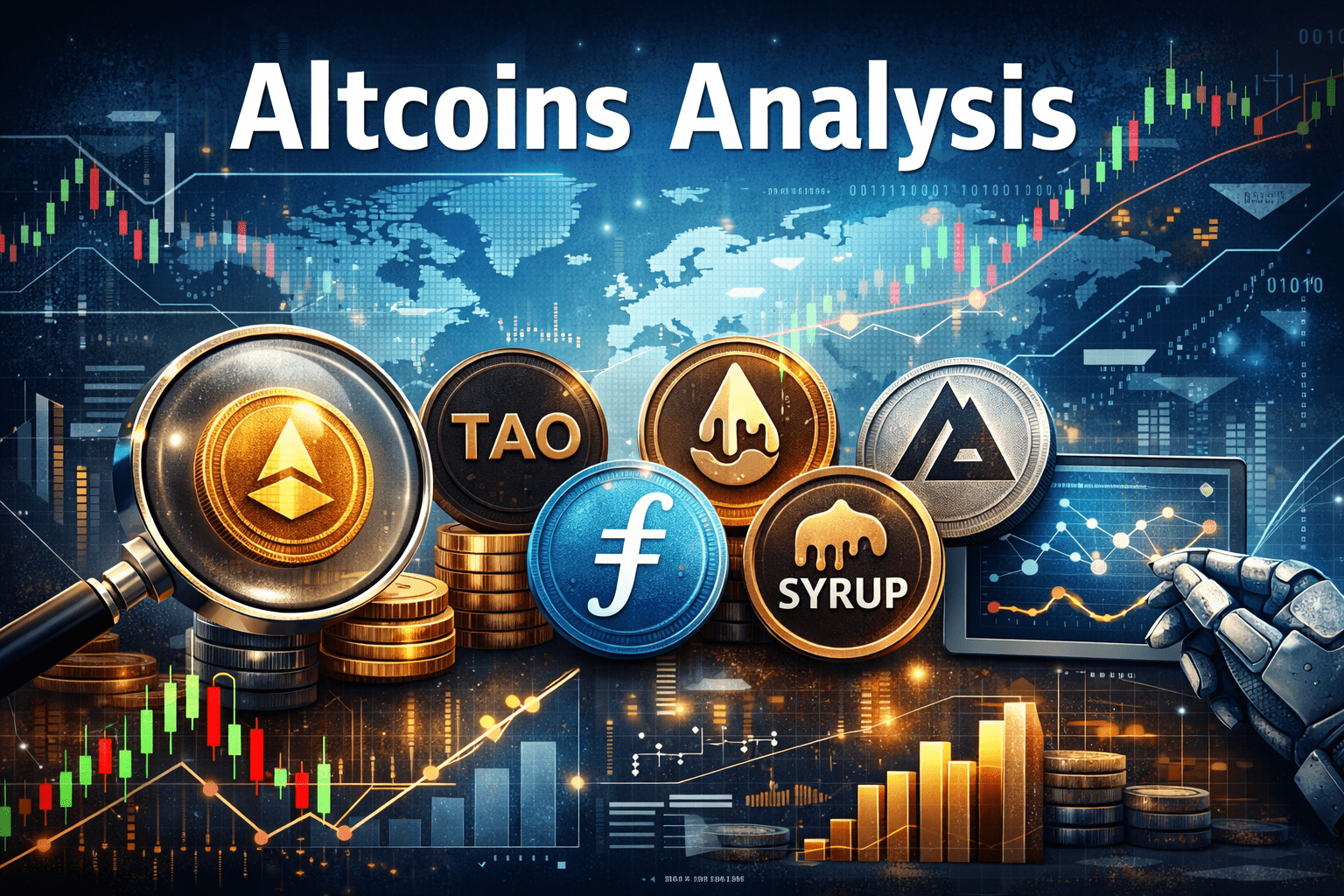
Bittensor (TAO) – A decentralized machine learning protocol that incentivizes nodes to contribute models and compute power in a peer‑to‑peer marketplace. The project aims to commoditize AI training, distributing rewards based on informational value rather than centralized control. This positions TAO as one of the rare altcoins bridging artificial intelligence markets and blockchain economics — a niche that could see broader adoption as AI workloads seek scalable decentralization.
-
Decentralized AI Data Clouds – Projects like OORT, which provide decentralized data collection and processing infrastructure for AI applications, highlight a quietly growing sub‑sector that emphasizes privacy, data sovereignty, and compute marketplaces in Web3.
This AI‑infused blockchain theme reflects broader trends in crypto investment, such as institutional funding flowing into crypto‑to‑AI bridges, where automated agents and predictive systems could play future roles in on‑chain transactions and yield optimization.
2. Real‑World Asset Tokenization and Hybrid Finance Protocols
While DeFi captured imaginations in the previous bull cycle, Real‑World Asset (RWA) tokenization continues to advance with greater institutional alignment.
-
Maple Finance (SYRUP) has emerged as a noteworthy player by bridging traditional lending markets with blockchain‑based finance. As of 2026, Maple’s tokenized RWA protocols and revenue streams — including an institutional‑grade lending suite — are generating meaningful monthly yields, signaling deeper demand for on‑chain access to corporate debt, real estate, and yield instruments.
This trend dovetails with regulatory efforts to bring traditional financial instruments onto programmable ledgers, offering new liquidity corridors between legacy assets and digital tokens that were largely theoretical only a few years ago.
3. Privacy and Confidential Computing Chains
In a market focused on transparency and compliance, there’s a surprising counter–narrative gaining traction: privacy‑centric blockchains and confidential asset infrastructure.
-
Zano (ZANO), a lesser‑known privacy blockchain originating from foundational Cryptonote research, has designed its protocol around confidential assets and private smart contracts that obscure transaction details while preserving auditability for authorized partners.
As data privacy becomes a regulatory focal point globally, projects that blend privacy with compliance could offer a balanced approach — appealing to users demanding confidentiality without crossing legal thresholds.
4. Community and Culture‑Driven Cryptocurrencies
While large meme coins like DOGE and SHIB remain household names, new culture‑centric tokens tied to fandoms and community experiences are beginning to emerge as unique social experiments.
-
The Animecoin ecosystem — backed by traditional esports and media ventures — exemplifies how cultural niches can spawn tokens designed for experience economy integration, from digital collectibles to platform‑specific token incentives.
Similarly, meme coins with built‑in ecosystem roadmaps — such as Little Pepe (LILPEPE), which is not just a meme but plans a Layer‑2 blockchain and sustainability roadmap — illustrate a trend where community ethos intersects with ambitious technical blueprints.
5. Decentralized Storage and Data Plumbing for Web3
A quieter but critical infrastructure layer lies beneath the noisy price discussions: decentralized storage and indexing tokens that power Web3 data flows.
-
Projects like Filecoin (FIL) continue to position decentralized storage as vital infrastructure for NFT ecosystems, AI data pipelines and archival layers — a theme gaining traction as data sovereignty becomes essential in Web3 architecture.
-
The Graph (GRT) plays a complementary role as a decentralized indexing and query layer for on‑chain data, an often‑overlooked element that enables complex dApps and cross‑chain composability.
Though these tokens have experienced price weakness, proponents argue that utility in decentralized data infrastructure could drive renewed interest as applications scale.
6. Scalable and Modular Blockchain Contenders
At the intersection of performance and specialization, smaller smart contract platforms exploring novel consensus and scalability techniques remain on the radar of deep‑tech investors.
-
Alephium (ALPH) seeks to solve scalability with sharding and an energy‑efficient Proof of Less Work consensus, a unique design that could carve a small but meaningful niche among next‑generation Layer‑1 blockchains.
These modular and alternative consensus models highlight innovation paths that differ from the dominant Ethereum scaling narrative — offering potential differentiation if developers seek alternatives to established ecosystems.
Conclusion — A Fragmented, Experimental Altcoin Mosaic
The altcoin landscape in 2026 is not defined by universal gains or a classic “altseason.” Instead, it reflects fragmentation, thematic experimentation, and deep specialization:
-
AI & decentralized compute seeks to merge machine intelligence with on‑chain economics.
-
Real‑world asset protocols bridge legacy and blockchain finance.
-
Privacy chains address confidentiality in an increasingly regulated world.
-
Culture‑driven tokens explore social media and community ecosystems.
-
Infrastructure tokens underpin data, storage, and indexing needs.
These emerging themes suggest that while broad speculative rallies may be absent, targeted innovation and niche demand could drive specific altcoins well ahead of the pack — not because of hype, but due to real utility, network effects, and structural differentiation.