Pi Network is making a major push into the rapidly growing AI builder economy by allowing creators to convert externally built AI-generated applications into fully integrated Pi ecosystem apps through Pi App Studio. The new feature is designed to connect developers, vibe coders, creators, and even non-technical product builders with Pi Network’s massive ecosystem of more than 60 million engaged users, potentially transforming Pi from a closed blockchain ecosystem into a broader launch platform for AI-powered applications.
Instead of forcing creators to build infrastructure, identity systems, payment integrations, or user distribution pipelines from scratch, Pi is positioning itself as an existing ecosystem layer where applications can plug directly into an already active community.
The announcement reflects a growing trend across the tech industry where AI-assisted coding tools are dramatically reducing the barriers to software creation. Platforms such as Anthropic’s Claude Code, Replit, Cursor, Lovable, and Codex-style development systems are enabling creators to rapidly generate applications with minimal engineering overhead.
However, one of the largest challenges facing AI-generated software projects has not been development itself, but distribution. Thousands of apps can now be built quickly using AI, yet very few manage to attract users, integrate payment systems, or achieve meaningful adoption. Pi Network appears to be targeting exactly that gap.
By allowing creators to import externally developed apps into Pi App Studio, the network is effectively offering something many AI builders lack: access to a large, existing digital economy with built-in infrastructure.
The system provides integration pathways for payments, identity verification, wallet connectivity, decentralized human participation, and ecosystem-level monetization opportunities. This significantly changes the value proposition for independent developers and AI-assisted creators who may have ideas and prototypes ready, but no scalable route to users.
Pi Network Is Expanding Beyond Mining Into a Full Builder Ecosystem
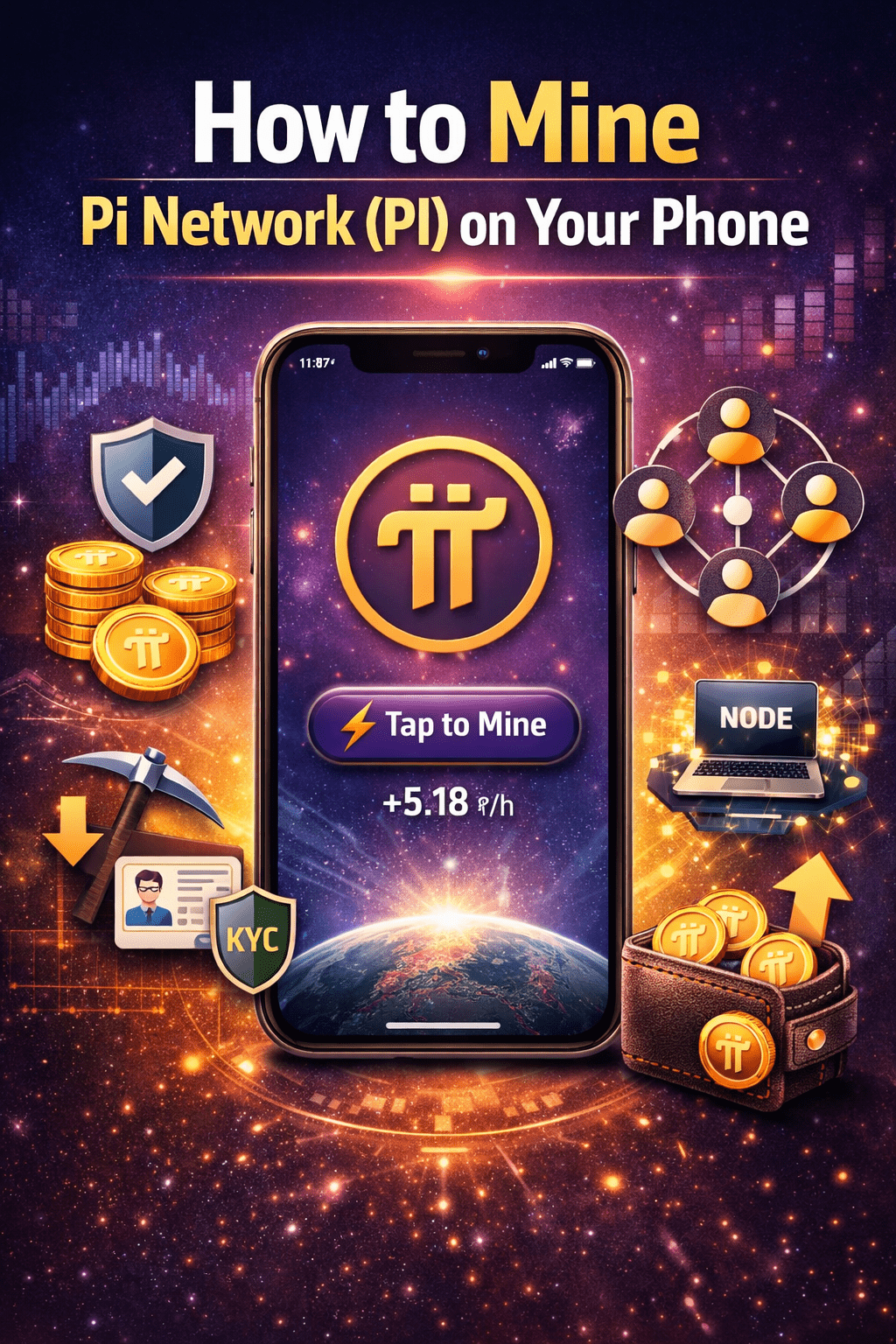
For years, Pi Network was primarily known for its mobile-first mining model and large global community of engaged users. But the latest Pi App Studio expansion suggests the project is increasingly positioning itself as a broader application platform rather than simply a cryptocurrency network. The emphasis is shifting from user acquisition alone toward utility creation, ecosystem participation, and application-layer growth.
This matters because blockchain ecosystems historically struggle with a core challenge: attracting developers who can build products people actually use. Many blockchain networks have attempted to solve this through grants, hackathons, or technical developer tooling, but Pi’s approach appears more focused on accessibility and rapid onboarding. Instead of targeting only traditional software engineers, Pi is opening its ecosystem to a much wider category of creators — including non-technical builders using AI-assisted tools to generate applications.
Related: Pi App Studio Now Supports Claude, Cursor, Replit, and Lovable Apps After AI Update
The rise of “vibe coding” and AI-assisted development is reshaping how software products are created. Individuals who previously lacked formal programming experience can now produce functioning apps using natural language prompts and AI code generation tools. Pi Network is betting that the next wave of application innovation may come from these creators rather than exclusively from traditional developer communities.
By offering distribution, monetization, and infrastructure access, Pi aims to become the ecosystem layer that transforms AI-generated prototypes into live consumer-facing products.
The concept of Idea → App → Users becoming dramatically faster is central to this strategy. In traditional startup environments, moving from concept to active user adoption often requires months or years of infrastructure building, compliance integration, marketing, and scaling challenges. Pi is attempting to compress that timeline by offering an already established ecosystem where applications can immediately access verified users and integrated platform services.
The AI Builder Economy and Blockchain Ecosystems Are Beginning to Merge
Pi Network’s latest move also reflects a broader convergence happening between AI development and blockchain ecosystems. AI dramatically accelerates application creation, while blockchain networks increasingly seek real utility, active users, and consumer engagement. Combining the two creates a potentially powerful feedback loop: AI lowers the cost of building apps, while blockchain ecosystems provide monetization rails, identity systems, digital ownership layers, and user communities.
Pi’s emphasis on decentralized human infrastructure is particularly notable in this context. As AI-generated content and automated systems continue expanding across the internet, networks built around verified human participation may become increasingly valuable. Pi’s KYC-based ecosystem and identity verification infrastructure could provide builders with a user base that is not only large, but composed of authenticated participants rather than anonymous bot traffic or synthetic engagement.
The integration of external AI-created applications into Pi’s ecosystem also signals a strategic shift toward openness. Instead of requiring developers to build exclusively within a closed native environment, Pi is acknowledging the growing reality that creators are using a diverse range of external AI tools to develop products. Allowing those applications to plug directly into Pi lowers friction and increases the likelihood of ecosystem expansion.
Related: Pi Network Says Tentative KYC Is Not a Rejection — Here’s What It Actually Means
If adoption accelerates, Pi App Studio could eventually become less about simple app conversion and more about creating a marketplace for AI-generated products operating inside a blockchain-native economy. That possibility is fueling growing interest among creators who increasingly view distribution and ecosystem access — not coding itself — as the true bottleneck in modern software development.
With AI-assisted coding becoming mainstream and the competition for user attention intensifying across digital platforms, Pi Network is positioning itself at the intersection of two of the fastest-growing sectors in technology: artificial intelligence and blockchain-powered ecosystems. The long-term impact will depend on whether creators actually embrace the platform at scale, but the direction is becoming increasingly clear: Pi wants to evolve from a mining-based community into a fully active builder economy powered by AI-generated applications and real user distribution.
About The Author