

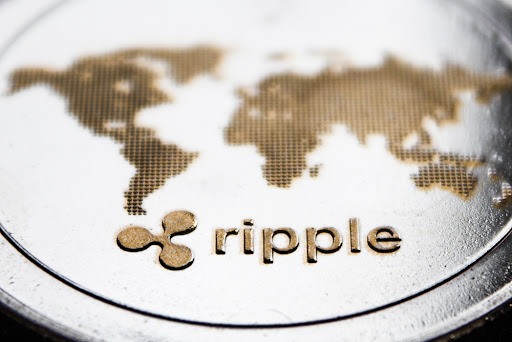
Ripple has been ranked #16 on the 2026 CNBC Disruptor 50 list, marking another milestone for the company as blockchain infrastructure continues to gain traction in mainstream financial systems. The recognition places Ripple among a group of high-growth technology firms shaping the future of artificial intelligence, fintech, and enterprise-scale digital transformation.
The CNBC Disruptor 50 list highlights companies that are driving large-scale innovation across industries, with 2026 showing a strong acceleration in artificial intelligence and infrastructure-focused platforms. According to the ranking overview, total funding across the listed companies surged to $337 billion, more than doubling from the previous year, while combined valuations reached approximately $2.4 trillion. This reflects increasing investor concentration in scalable, AI-driven and infrastructure-heavy business models.
Ripple’s placement at #16 underscores the continued relevance of blockchain-based financial infrastructure in a market increasingly dominated by AI narratives. While companies like Anthropic and OpenAI lead the rankings due to rapid advances in generative AI, Ripple represents a different category of innovation focused on real-world financial settlement, cross-border payments, and institutional blockchain adoption.
Crypto Infrastructure Gains Visibility as AI Dominates Disruptor Rankings
The 2026 list is heavily shaped by artificial intelligence, with 43 of the 50 companies integrating AI into their core business models. Despite this dominance, the inclusion of blockchain-focused firms like Ripple signals that decentralized financial infrastructure remains a key component of broader technological disruption.
Ripple’s core value proposition centers on enabling faster, more efficient cross-border payments and improving liquidity management across global financial networks. Its continued presence in major institutional rankings reflects growing acceptance of blockchain as a foundational layer for modern finance rather than a speculative technology.
Related: Ripple Secures $200 Million Facility as Institutional Demand for XRP Finance Accelerates
The broader Disruptor 50 landscape also highlights a geographic concentration of innovation, with nearly half of the companies based in California and a strong cluster in the San Francisco Bay Area. However, the presence of diverse sectors—from fintech and cybersecurity to healthcare and robotics—illustrates how infrastructure innovation is expanding beyond pure software into regulated financial systems and physical-world integration.
Ripple’s recognition in this context reinforces the narrative that blockchain infrastructure is entering a more mature phase of adoption, where real-world utility and institutional integration are becoming the primary drivers of long-term relevance.
About The Author