

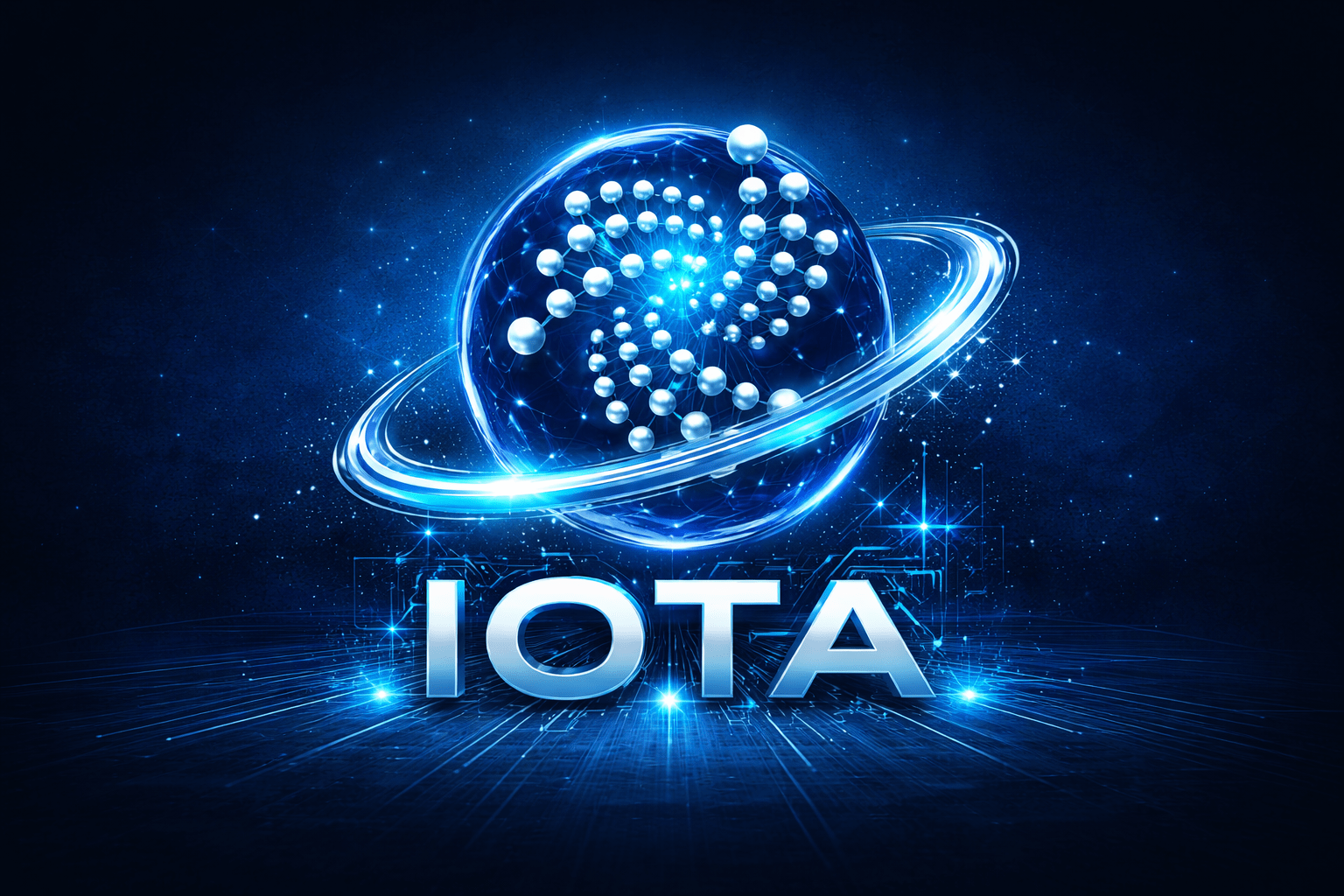
IOTA has outlined one of its clearest strategic shifts yet, with co-founder Dominik Schiener telling the community that the project’s long-term success now depends less on speculative token demand and more on the adoption of its TWIN digital trade infrastructure. During the latest Community AMA, Schiener discussed the state of the ecosystem, exchange listings, stablecoin plans, foundation restructuring, and the project’s roadmap.
The discussion painted a picture of an ecosystem that has significantly narrowed its focus. Rather than pursuing multiple initiatives simultaneously, IOTA is concentrating resources on TWIN, a platform designed to support digital trade, government infrastructure, and real-world enterprise applications. According to Schiener, IOTA remains the underlying blockchain powering TWIN, meaning future network activity could ultimately flow back to the base layer if adoption accelerates.
While community members continue watching the token’s market performance, Schiener suggested that meaningful value creation will only come if businesses and governments actively use applications built on IOTA.
TWIN Becomes the Centerpiece of IOTA’s Long-Term Strategy
Perhaps the biggest takeaway from the AMA was Schiener’s description of TWIN as the ecosystem’s primary growth engine. He explained that TWIN is fully built on IOTA’s Layer 1 smart contract infrastructure, effectively making it an extension of the blockchain rather than a separate project.
This represents a notable evolution in how the Foundation positions the network. Instead of promoting the token itself as the main attraction, the emphasis has shifted toward building commercially viable digital infrastructure first. Under this strategy, successful adoption of TWIN by governments, logistics providers, and enterprises would naturally increase activity on the IOTA network.
Related: Why Korean Media Is Focusing on the IOTA Global Trade Ecosystem
Schiener acknowledged that the market has largely removed the speculative premium that previously surrounded the token. In his view, future appreciation depends less on market narratives and more on measurable adoption through trade infrastructure and enterprise deployments.
The Foundation also revealed it has merged the TWIN and IOTA Foundation teams, eliminating overlapping roles while reducing operational costs. According to Schiener, these changes have extended the organization’s financial runway to more than two years, supported by the first revenues generated from government and trade-related projects.
Exchange Listings, Stablecoins, and Kenya Remain Works in Progress
The AMA also addressed recent exchange developments that had generated discussion within the community. Schiener confirmed that IOTA had been delisted from Bullish after approximately five months and discussed the postponement of a Kraken listing.
According to Schiener, Kraken preferred listing a wrapped version of IOTA, while the Foundation wanted to prioritize the native Layer 1 asset. Rather than compromise, the project chose to delay the listing, citing marketing costs and broader strategic priorities. He also stated that Coinbase is currently not a major focus for the team.
Stablecoin support remains another area where progress continues, although no definitive timeline was provided. Schiener said the Foundation still favors USDT0 but indicated that future stablecoin functionality may arrive through chain abstraction rather than native issuance directly on IOTA.
Related: IOTA Has Never Been More Useful—So Why Is the Price Near Record Lows?
Updates were also shared regarding Kenya, one of IOTA’s most closely watched government initiatives. Schiener explained that the platform has already been built and handed over, but certification requirements have delayed public deployment. Although previous expectations pointed toward earlier launches, the rollout is now expected over the coming months once regulatory processes are completed.
Another significant announcement involved project transparency. Schiener said IOTA will no longer publish a traditional public roadmap, opting instead for internal planning. While some community members may prefer greater visibility into development timelines, the Foundation appears focused on execution rather than publishing target dates that could later require revisions.
Overall, the latest AMA highlighted a more disciplined approach to IOTA’s future. Rather than relying on speculation or short-term catalysts, the Foundation is positioning TWIN as the project’s primary driver of long-term value. Whether that strategy succeeds will ultimately depend on adoption by governments, enterprises, and developers, but the message from leadership is increasingly clear: real-world usage—not market hype—will determine IOTA’s next chapter.
About The Author