
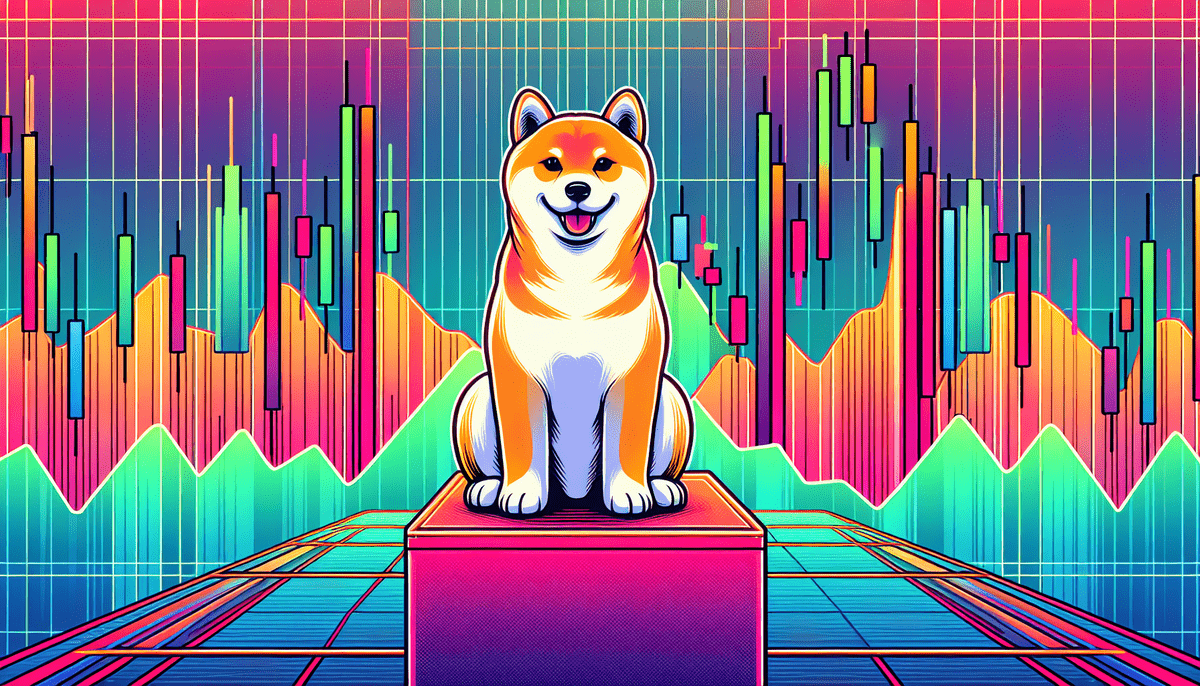
Shiba Inu is expanding beyond the digital world after Japanese technology giant Rakuten Wallet announced the launch of its first physical SHIB collectible coin, giving the popular meme cryptocurrency a new presence among mainstream consumers in Japan. The collectible becomes the latest addition to Rakuten Wallet’s Real Coin series, following previous releases featuring major cryptocurrencies including Bitcoin, Ethereum, and XRP.
The release represents another example of how cryptocurrency brands are increasingly moving beyond traditional digital assets and into physical merchandise, collectibles, and consumer products. While the coin itself does not represent ownership of SHIB on the blockchain, the product highlights how crypto communities are becoming global brands with recognition extending beyond trading platforms.
For Shiba Inu, which began as a community-driven meme project in 2020, the move represents a different type of adoption. Instead of focusing purely on price speculation, the ecosystem continues to build cultural recognition through partnerships, merchandise, gaming initiatives, and consumer-facing products.
Rakuten Brings SHIB Into Japan’s Mainstream Consumer Market
Rakuten Wallet’s decision to include Shiba Inu in its Real Coin series is notable because Japan remains one of the world’s most advanced technology markets with a strong culture around collectibles, limited-edition products, and digital innovation. The physical SHIB coin was designed with a premium matte tactile surface created through a blast finish metal process, separating it from earlier editions in the series.
According to the announcement, the product underwent internal employee testing at Rakuten before moving toward promotional campaigns. This suggests the collectible is not simply being created as a novelty item but as part of a broader effort to introduce cryptocurrency-related products to Rakuten’s wider ecosystem.
Rakuten operates one of Japan’s largest digital platforms, spanning e-commerce, financial services, mobile communications, and entertainment. The company’s ecosystem reaches approximately 44 million users, creating potential exposure for SHIB among consumers who may not actively participate in cryptocurrency markets.
Related: Shiba Inu News: SBI Expands “Rent Coin” to Include SHIB
This type of exposure matters because one of the biggest challenges facing cryptocurrencies has always been moving beyond existing crypto users. Many blockchain projects have millions of followers online but limited recognition among everyday consumers. Physical products can act as a bridge between online communities and mainstream audiences.
The SHIB collectible also fits Japan’s long history of combining technology with physical collectibles. From trading cards to limited-edition merchandise, Japanese consumers have shown strong interest in products that connect digital communities with tangible items.
SHIB Continues Its Evolution Beyond the Meme Coin Label
When Shiba Inu launched, many critics dismissed it as another speculative meme token. However, the project has spent years attempting to expand its identity through additional products and infrastructure, including decentralized finance tools, gaming initiatives, NFT projects, and its Shibarium layer-2 network.
The Rakuten Wallet collectible does not directly impact SHIB’s token economics or blockchain activity, but it contributes to something different: brand recognition. In the cryptocurrency industry, community strength and global awareness can influence long-term survival, especially for projects competing in a crowded market.
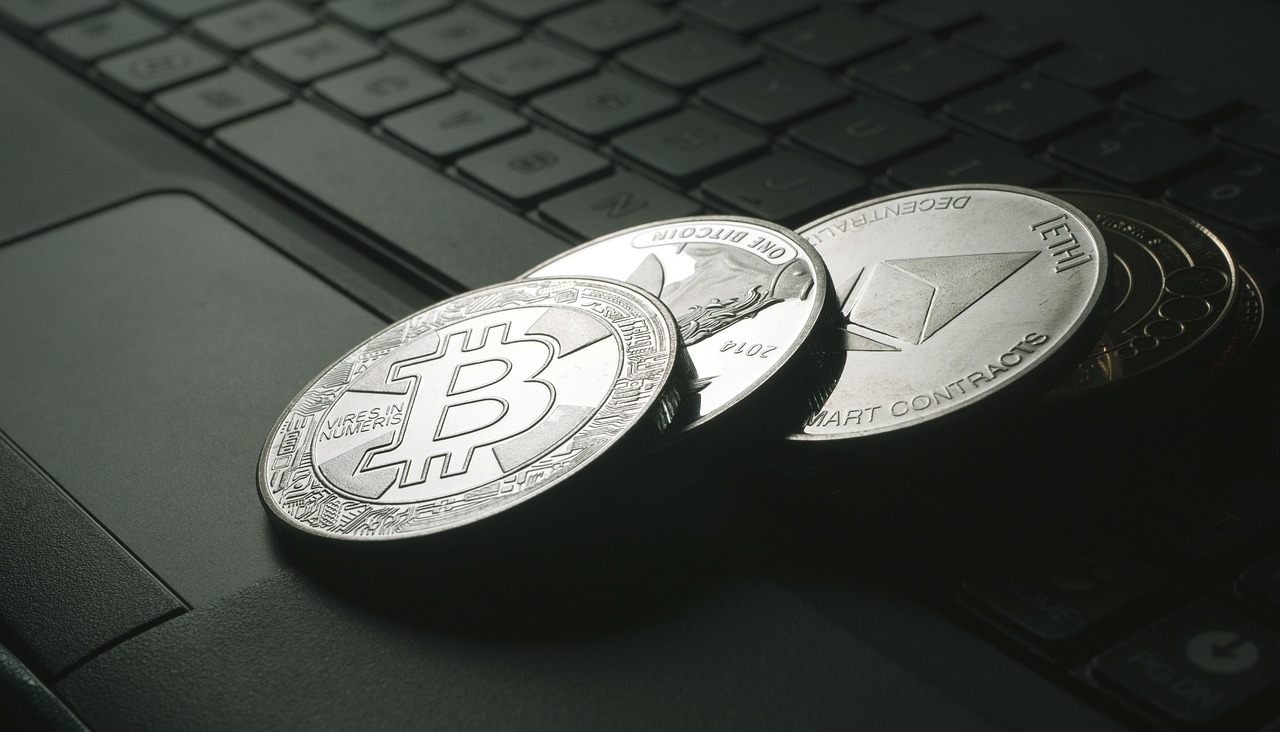
The inclusion of SHIB alongside Bitcoin, Ethereum, and XRP in Rakuten Wallet’s Real Coin series is also significant. These cryptocurrencies represent some of the most recognized names in the industry, and adding Shiba Inu places it among digital assets that have achieved broader cultural visibility.
Related: Shiba Inu Whale’s 48,000x Return Stuns Crypto Market
However, the move should be viewed realistically. A collectible product alone will not determine Shiba Inu’s future success. Long-term adoption depends on whether the ecosystem can create sustainable utility, attract developers, grow users, and maintain relevance in an increasingly competitive blockchain market.
The bigger story is how companies like Rakuten are experimenting with ways to make cryptocurrency more accessible. Many people still find blockchain technology difficult to understand because it exists almost entirely online. Physical products provide a familiar entry point, allowing consumers to interact with crypto brands without immediately needing wallets, exchanges, or technical knowledge.
For Shiba Inu supporters, the Rakuten partnership represents another milestone in the project’s transformation from an internet meme into a recognizable global brand. For the broader crypto industry, it demonstrates that adoption may not only come through financial products but also through culture, entertainment, and everyday consumer experiences.
As companies continue exploring new ways to connect blockchain technology with mainstream audiences, Shiba Inu’s physical makeover in Japan shows that the boundaries between digital assets and traditional consumer products are becoming increasingly blurred. The next phase of crypto adoption may not only happen on-chain—it may also happen in people’s hands.
About The Author