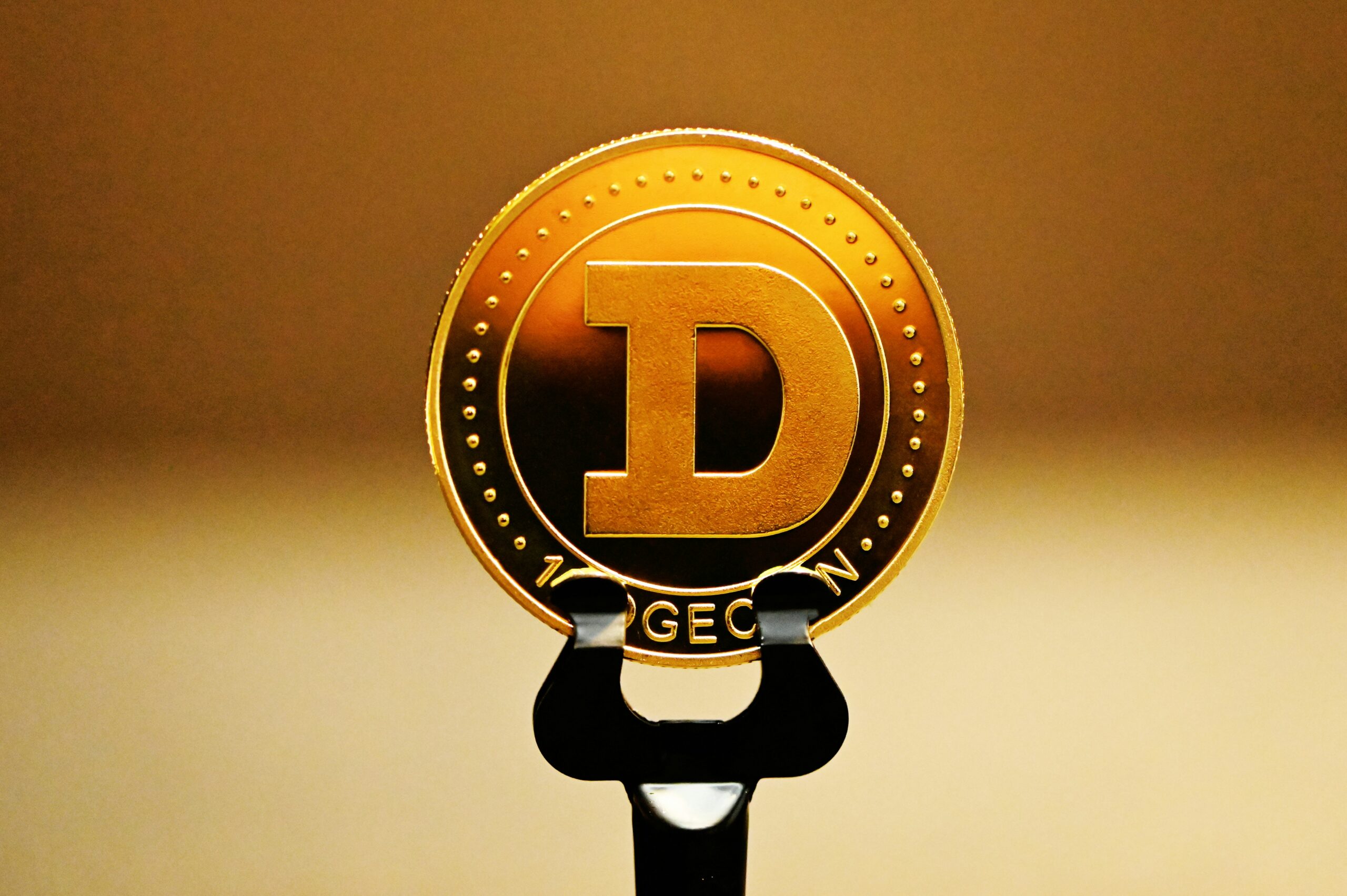
Cryptocurrency markets have produced many strange financial experiments over the past decade. Some promised to reinvent banking. Others vowed to decentralize the internet. And a few were created largely as jokes.
Yet among all these digital assets, one coin has repeatedly defied expectations: Dogecoin.
Born as a parody of crypto speculation in 2013, Dogecoin somehow evolved into one of the most recognizable cryptocurrencies in the world. What began as a meme inspired by the famous Shiba Inu dog became a multi-billion-dollar asset, a cultural symbol of internet humor, and—at times—a serious financial instrument.
The obvious question now facing investors is whether Dogecoin’s improbable success can continue into the next decade.
Can a meme coin truly maintain its place in an increasingly institutional crypto market? Or will Dogecoin remain exactly what it has always been: a chaotic but strangely resilient force in the digital economy?
The answer, as with most things in crypto, is complicated.
From Internet Joke to Global Cryptocurrency
Dogecoin was created by software engineers Billy Markus and Jackson Palmer as a lighthearted response to the growing hype surrounding cryptocurrencies.
The idea was simple: build a friendly, accessible cryptocurrency that mocked the seriousness of the crypto industry while still functioning as a real digital currency.
Ironically, that humor became its greatest strength.
Dogecoin quickly developed one of the most enthusiastic online communities in crypto. Early supporters used the coin to tip creators on platforms like Reddit and Twitter, building a reputation for generosity and internet culture rather than financial speculation.
For several years, Dogecoin existed quietly on the margins of the crypto world—until the internet did what it does best: turn a joke into a phenomenon.
The Elon Musk Effect
Dogecoin’s trajectory changed dramatically when billionaire entrepreneur Elon Musk began tweeting about the coin.
Musk’s playful endorsements transformed Dogecoin from a niche cryptocurrency into a mainstream cultural event. Social media campaigns, viral memes, and waves of retail investors propelled the coin to unprecedented levels.
At its peak during the 2021 crypto bull run, Dogecoin reached roughly $0.73, briefly entering the top five cryptocurrencies by market capitalization.
It was one of the most remarkable rallies in financial history—a meme coin turning thousands of small investors into overnight millionaires.
Yet as every seasoned crypto trader knows, spectacular rises are often followed by dramatic declines.
What Makes Dogecoin Different?
Despite its reputation as a joke, Dogecoin possesses several structural characteristics that distinguish it from many other cryptocurrencies.
1. Simplicity
Unlike complex smart contract platforms, Dogecoin remains a straightforward payment network. Its blockchain is based on a modified version of Litecoin, making it reliable and relatively efficient.
Transactions are fast, fees are low, and the network is widely supported across exchanges and wallets.
2. Massive Community
Few digital assets can rival Dogecoin’s cultural reach. Its community spans social media, gaming platforms, and online forums worldwide.
In cryptocurrency markets, community enthusiasm often translates directly into market value.
3. Constant Supply
Unlike Bitcoin, which has a fixed supply, Dogecoin introduces approximately 5 billion new coins each year.
While critics argue this inflation limits long-term value, supporters claim the steady supply encourages spending rather than hoarding.
In other words, Dogecoin behaves more like a currency than a scarce commodity.
The Case for Dogecoin’s Future
Despite its unconventional origins, several factors could support Dogecoin’s growth over the coming years.
1. Internet Culture and Meme Economics
In the digital age, attention has become a valuable commodity.
Dogecoin thrives in environments driven by social media momentum. Viral memes, influencer endorsements, and online communities can rapidly amplify interest in the coin.
Unlike traditional financial assets, Dogecoin’s value is deeply intertwined with internet culture itself.
2. Payment Adoption
Some companies have experimented with Dogecoin as a payment method.
Businesses linked to Tesla have accepted Dogecoin for certain merchandise purchases, highlighting the possibility of broader adoption for online payments.
If digital currencies gain traction in e-commerce, Dogecoin’s brand recognition could help it remain relevant.
3. Accessibility for Retail Investors
Dogecoin’s low price per coin makes it psychologically appealing to new investors.
While market capitalization—not unit price—determines value, many retail traders prefer buying thousands of coins rather than fractions of a more expensive asset.
This psychological factor has repeatedly fueled speculative rallies.
The Risks Facing Dogecoin
Dogecoin’s future is far from guaranteed.
Competition from Other Cryptocurrencies
The crypto ecosystem has evolved dramatically since Dogecoin’s launch.
Platforms like Ethereum, Solana, and Avalanche now power entire decentralized finance ecosystems and thousands of applications.
Compared to these advanced networks, Dogecoin remains technologically simple.
Inflation Concerns
The ongoing issuance of new coins creates long-term inflation pressure. If demand does not keep pace with supply growth, prices could stagnate.
Reliance on Social Momentum
Dogecoin’s price movements have historically been driven by social media excitement. While this can fuel explosive rallies, it also introduces volatility.
Dogecoin Price Prediction 2026–2030
Predicting the price of a meme coin is not an exact science. Market sentiment, viral trends, and macroeconomic factors can all influence outcomes.
Still, several potential scenarios can be considered.
Conservative Scenario
If Dogecoin maintains its role as a popular meme coin but sees limited new adoption, prices could range between $0.20 and $0.40 by the late 2020s.
This scenario assumes moderate crypto market growth but limited technological expansion.
Bullish Scenario
In a strong crypto bull market—particularly one driven by retail investors—Dogecoin could revisit or exceed previous highs.
Under this scenario, DOGE could potentially reach $0.80 to $1.20 between 2027 and 2030.
Extreme Bull Case
If Dogecoin achieves widespread adoption for payments or becomes deeply integrated into social media platforms, its valuation could rise significantly.
Some optimistic projections place DOGE between $2 and $3 during an intense speculative cycle.
However, such outcomes would likely require both strong market conditions and sustained cultural relevance.
The Meme That Refuses to Die
Dogecoin occupies a strange corner of the financial world.
It is part currency, part internet joke, and part social experiment. Yet it has consistently demonstrated something many serious crypto projects lack: staying power.
While hundreds of cryptocurrencies have disappeared over the years, Dogecoin continues to thrive—largely because people enjoy it.
That may not sound like a traditional investment thesis, but in the attention economy of the internet, cultural relevance can be as powerful as technological innovation.
Whether Dogecoin becomes a global payment network or simply remains the internet’s favorite joke with a market cap, one thing seems certain:
The Shiba Inu that started as a meme still has a habit of surprising the financial world.
And in cryptocurrency markets, surprises are often where the real stories begin.
About The Author