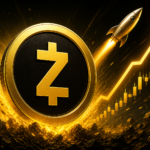


Zecord is preparing to launch an NFT marketplace built around Zcash, with a focus on allowing collectors to trade digital assets without publicly exposing their portfolios. The project announced the marketplace on September 19, positioning privacy as a central feature rather than an optional addition.
According to Zecord, users will be able to collect, hold and trade NFTs while payments are settled in shielded ZEC. The project also says buyers and sellers will be able to independently verify the provenance of assets, giving the marketplace a combination of private transactions and publicly verifiable asset history.
Zecord Puts Privacy at the Center of NFT Trading
The marketplace targets a familiar problem in blockchain-based collectibles: ownership and transaction histories can often reveal what an individual holds. For collectors who do not want their NFT portfolios easily associated with a public address, Zecord is presenting Zcash’s shielded transaction capabilities as part of the marketplace experience.
Zcash’s underlying protocol supports shielded payments designed to conceal transaction details from public blockchain observers while still allowing users with the appropriate viewing information to access transaction data. This privacy architecture is a key reason projects continue exploring applications that use shielded ZEC.
Zecord says payments on its marketplace will be settled using shielded ZEC. That distinction is important because privacy can depend on how an application implements the underlying asset and transaction flow. The announcement does not provide enough technical information to independently establish exactly how Zecord will handle every stage of an NFT purchase.
Related: CASH to Launch as ZRC-20 Token on Zcash With 18,900-Transaction Fair Launch
The project is also emphasizing provenance. In NFT markets, provenance refers to the ability to trace an asset’s history and establish information about its creation, transfers or ownership. Zecord says its users will be able to verify provenance themselves rather than relying solely on the marketplace as an authority.
That approach reflects a broader development taking place around Zcash. Community projects are exploring NFT marketplaces, shielded assets and other applications that attempt to combine privacy with independently verifiable blockchain records. A recent Zcash community grant proposal, for example, describes infrastructure for NFTs using Zcash Shielded Assets and a public catalog with private ownership.
Zcash Ecosystem Expands Beyond ZEC Payments
Zecord’s planned marketplace arrives as developers experiment with different approaches to digital collectibles on Zcash. Other emerging projects are working on NFT and inscription infrastructure, although their technical designs can differ substantially from a marketplace based on shielded payments.
One example is Zcash.ink, which describes an NFT and Ordinals marketplace using ZRC-721 and inscription-based assets. Its documentation currently explains that those inscriptions rely on transparent transactions, illustrating an important distinction between public provenance mechanisms and shielded payment activity.
The difference matters for privacy-focused collectors. A marketplace can protect payment information while still exposing certain asset or ownership information, depending on how NFTs are issued and transferred. Zecord’s eventual implementation will determine how closely its privacy goals translate into the complete user experience.
The emergence of multiple approaches could also give Zcash developers more room to test different models for digital ownership. Some projects emphasize transparent provenance, while others are working toward private ownership and shielded transactions. These experiments could help define how NFTs fit into the wider Zcash ecosystem.
Related: Zcash Mining Rewards Are 2x Higher Per Rig Than Bitcoin, Grayscale Says
For Zcash users, the appeal of a marketplace such as Zecord is therefore not simply the ability to buy digital collectibles. The project is attempting to combine NFT ownership with the privacy characteristics that distinguish Zcash from many other blockchain networks.
However, Zecord remains an upcoming marketplace based on the information currently available. The announcement did not provide a launch date, collection details, trading volumes, fee structure or a detailed explanation of its technical architecture. Those details will be important for evaluating how the platform operates once it becomes available.
If Zecord delivers the features described in its announcement, it could add another application layer to the Zcash ecosystem while addressing a specific concern among NFT collectors: being able to participate in digital-asset markets without automatically broadcasting their holdings. For now, the project has announced the direction, with further details expected as the marketplace moves toward launch.
About The Author