

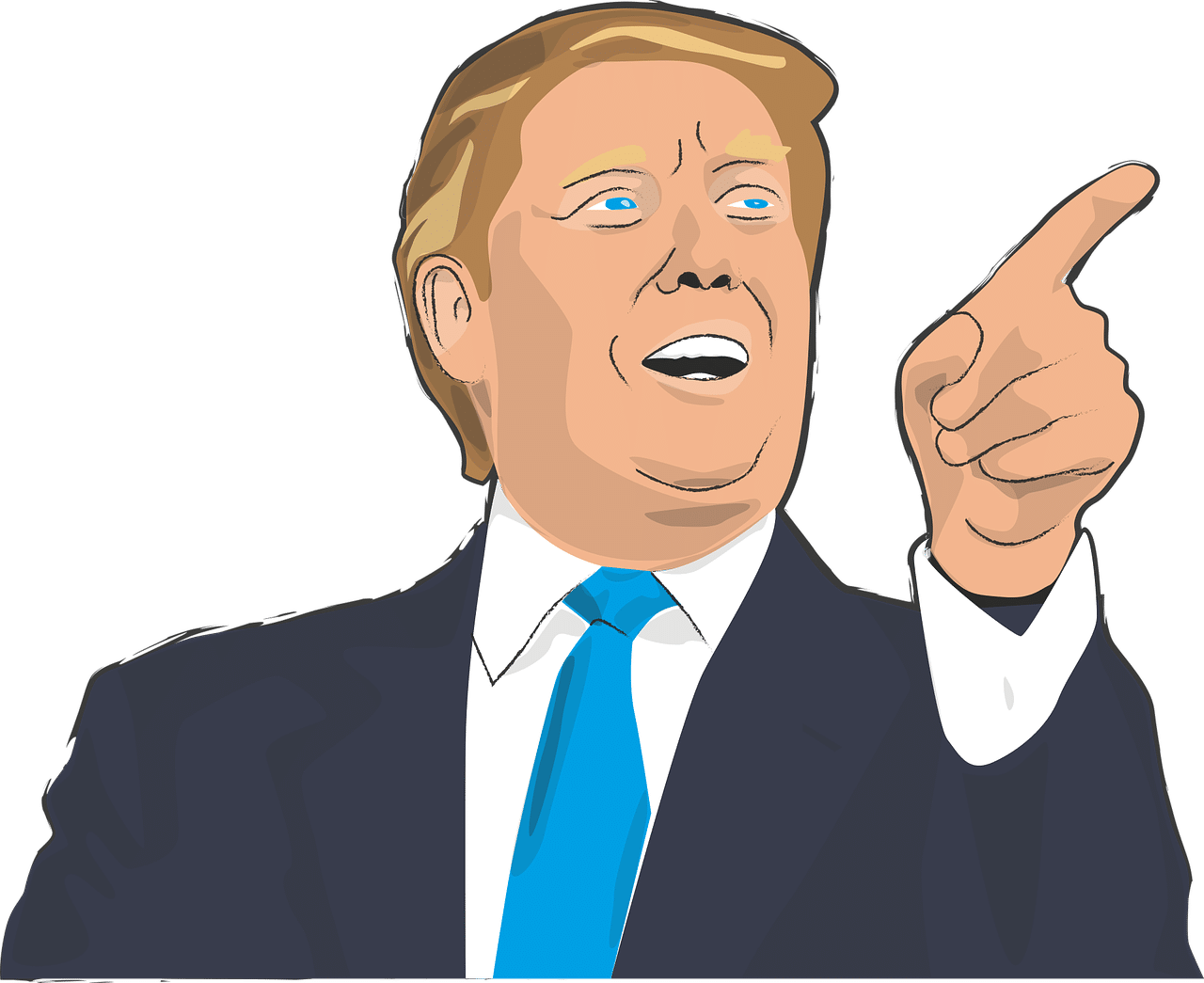
US President Donald Trump could have gained as much as $15 million from his Nvidia (NASDAQ: NVDA) stock holdings after the chipmaker’s shares surged 31.5% following Jensen Huang’s reinstatement as chief executive. The estimated windfall has attracted attention because Trump publicly claimed responsibility for helping negotiate Huang’s return, raising fresh questions about the intersection of presidential influence, corporate decisions and personal investments.
According to an analysis by the Financial Times, Trump’s latest financial disclosures suggest he could have held between 32,000 and 370,000 Nvidia shares as of September 30, 2026. Depending on the actual size of his holdings, Monday’s rally could have increased their value by approximately $1.3 million to $15 million.
The estimates are based on Trump’s financial disclosures filed with the Office of Government Ethics on November 5. However, the documents report transactions in broad financial ranges rather than precise share quantities, meaning his actual holdings and resulting gains cannot be established from the available information.
Nvidia shares experienced a dramatic recovery after its board reversed its earlier decision to reject Huang’s return. The company’s stock jumped 31.5% on Monday, adding approximately $950 billion to its market capitalization and delivering one of the largest single-day gains in corporate market history.
Trump’s Intervention in Jensen Huang’s Return Raises Questions
Trump openly discussed his involvement in Huang’s reinstatement during an appearance on CNBC. He indicated that he had spoken with Nvidia representatives and persuaded the board to reconsider its position, saying, “I made the deal.” He also suggested that his intervention played an important role in bringing the Nvidia co-founder back.
Nvidia’s board confirmed that it had received input from senior US government officials before unanimously approving Huang’s reinstatement. The company said it was confident that his return did not create a national security risk. The decision reversed the board’s November 17 position, when it had indicated that it would not bring Huang back.
Related: Trump Says America’s Financial System Is Decades Out of Date and Needs Crypto Technology
The timing of the stock rally is particularly significant because Nvidia shares had experienced substantial pressure amid controversy surrounding Huang and concerns about the sustainability of the artificial intelligence investment boom. His return helped restore investor confidence, triggering renewed buying interest across technology stocks and international equity markets.
However, the estimated $15 million gain represents a potential increase in the value of Trump’s existing investment, not a confirmed cash profit. The Financial Times calculated the upper estimate by assuming Trump purchased the maximum number of shares allowed by the reported transaction ranges and sold the minimum. Under a different calculation, his holdings could have generated a gain closer to $1.3 million.
Financial Disclosures Put Trump’s Nvidia Investments Under Scrutiny
Trump’s Nvidia investments have also attracted attention because of the broader financial relationship between his administration and the technology industry. Nvidia is a major beneficiary of US artificial intelligence investment and is directly affected by government decisions involving advanced semiconductor exports, particularly restrictions on sales to China.
Reuters previously reported that Trump purchased up to $265,000 in Nvidia shares and sold up to $15,000 worth in September, according to his latest transaction disclosures. The White House has maintained that outside financial institutions independently manage his portfolio and that neither Trump nor his family directs individual investment decisions.
The distinction matters because the available disclosures do not reveal whether Trump bought or sold Nvidia shares after September 30. Consequently, the estimated gains following Monday’s rally rely on historical holdings rather than a confirmed record of his current portfolio.
Democratic Senator Ruben Gallego has called for an investigation into stock positions taken before the reinstatement announcement. His concerns focus on whether any trading occurred ahead of information that could have influenced Nvidia’s share price. There is currently no established evidence from the cited disclosures that Trump traded Nvidia shares using advance knowledge of the board’s decision.
For Nvidia investors, Huang’s return has provided substantial relief after a period of uncertainty surrounding the company’s leadership. For financial markets, however, the episode raises a separate question about the relationship between government influence, corporate governance and presidential investments.
Trump’s potential $15 million paper gain illustrates how a major corporate announcement can have consequences extending beyond the company itself. Whether the episode leads to further scrutiny of presidential financial disclosures or corporate decision-making remains to be seen.
About The Author