Introduction: The Rise of Multichain Web3
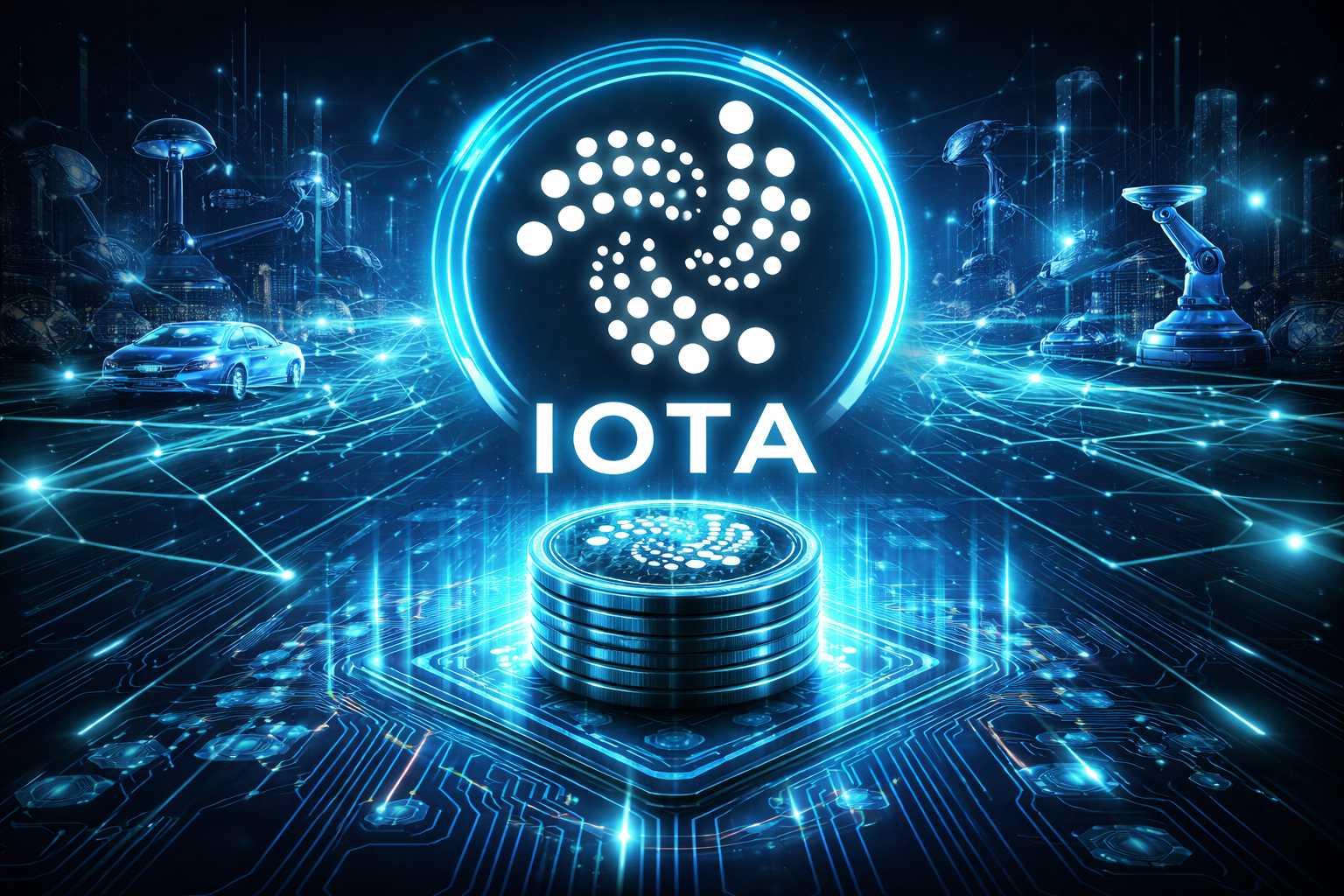
In today’s blockchain landscape, interoperability isn’t optional — it’s mission‑critical. For decentralized applications (dApps), tokenized assets, and digital economies to thrive, isolated networks must communicate fluidly. That’s where bridging solutions come in, and IOTA — traditionally known for its feeless Tangle architecture — is stepping into a new era of cross‑chain asset transfers and tokenization by interfacing with Ethereum and other major networks.
In 2025, IOTA integrated with leading cross‑chain messaging and bridging protocols, enabling seamless interoperability between the IOTA ecosystem and EVM‑compatible chains like Ethereum, boosting developer productivity and unlocking new tokenization capabilities.
Why Interoperability Matters: Beyond Isolated Chains
Blockchain ecosystems historically operated as silos — independent ledgers unable to share assets or data without intermediaries. This fragmentation leads to liquidity splits, duplicated assets, and limited composability, which constrains DeFi and real‑world use cases. Interoperability bridges solve this by enabling secure cross‑chain asset transfers, messaging, and shared liquidity.
For IOTA, interoperability with Ethereum increases its utility in tokenizing assets, participating in DeFi, and connecting IoT/real‑world data with smart contract ecosystems.
The Technical Backbone: IOTA EVM + Cross‑Chain Protocols
IOTA EVM — Ethereum Compatibility
The IOTA EVM is a fully Ethereum‑compatible smart contract layer built on the IOTA stack. It supports Solidity smart contracts, web3 tooling (e.g., Hardhat, MetaMask), and enables developers to deploy dApps that feel native to Ethereum but benefit from IOTA’s architecture.
Key features:
-
Scalable and composable smart contracts
-
Parallel execution processing
-
Ease of developer tooling compatibility
-
Cross‑chain bridging support via interoperability protocols
This setup provides a familiar environment for Solidity developers while unlocking integration with IOTA’s feeless and efficient Tangle ecosystem.
LayerZero & Stargate: The Interoperability Engines
To enable secure cross‑chain communication, IOTA has integrated with LayerZero — a leading interoperability messaging protocol — and the Stargate Bridge.
How It Works
-
LayerZero Messaging Protocol: Sends verified messages between chains without relying on centralized relayers — maintaining censorship resistance and permissionless architecture.
-
Stargate Bridge: Uses LayerZero’s messaging layer and OFT (Omnichain Fungible Token) standards to transfer assets between supported blockchains.
This integration now connects the IOTA Mainnet and IOTA EVM with 150+ blockchains, including Ethereum, Solana, Base, and more — dramatically expanding cross‑chain liquidity and developer reach.
Tokenization Across Chains: How It Works
Omnichain Fungible Tokens (OFT)
LayerZero implements the OFT standard, which lets developers mint a single token representation — e.g., a stablecoin or real‑world asset — that can move across all integrated chains while maintaining a single supply.
This means:
-
A token issued on Ethereum can be used on IOTA EVM without fragmenting its supply.
-
Developers don’t have to manage separate wrapped assets per chain.
-
Liquidity stays unified across networks.
Example Use Case:
A tokenized real‑world asset (like tokenized gold or trade invoices) is minted on Ethereum, bridged to IOTA EVM, and used in DeFi protocols there — all while preserving consistent supply and ownership.
Developer Workflow: Bridging Assets
Here’s a simplified workflow for developers building cross‑chain asset interactions:
-
Deploy Smart Contract on IOTA EVM:
-
Use Solidity and standard dev tools (MetaMask, Hardhat).
-
Contract handles asset logic (swap, stake, governance).
-
-
Register with LayerZero Endpoints:
-
Set up messaging endpoints on both the source and destination networks.
-
-
Initiate Cross‑Chain Transfer:
-
Call the OFT transfer function.
-
LayerZero sends verifiable messages to the destination chain.
-
-
Finalization on Target Chain:
-
Once verified, the asset is minted or unlocked on the receiving chain.
-
Users can right away use it in dApps or liquidity pools.
-
Example Code Snippet (Pseudocode):
IOFT(token).sendFrom(msg.sender, dstChainId, dstAddress, amount);
}
Developer Tip: Always test cross‑chain logic on testnets (e.g., IOTA testnet + Ethereum Goerli) before mainnet deployment.
Challenges and Security Considerations
Interoperability introduces complexity and risk vectors that developers must manage:
-
Bridge security: Protecting against exploits like messaging tampering.
-
Chain finality assumptions: Different chains finalize transactions at different speeds.
-
Liquidity fragmentation: Even with OFT, liquidity must be managed across ecosystems.
Projects like LayerZero minimize trust assumptions and rely on verified messaging protocols rather than centralized relayers, enhancing security posture.
Real‑World Tokenization Examples
One of the most exciting directions is real‑world asset (RWA) tokenization. Projects such as Realize plan to deploy on the IOTA Rebased L1 protocol, emphasizing secure, scalable tokenization infrastructure that ties financial assets to on‑chain representations.
RWA tokenization benefits significantly from cross‑chain bridges:
-
Fractional assets can be easily transferred between Ethereum DeFi protocols and IOTA’s ecosystem.
-
Stablecoins can flow into the IOTA network, facilitating commerce, payments, and IoT integration.
Conclusion: Toward a Truly Interconnected Web3
By integrating robust interoperability protocols like LayerZero and Stargate and building Ethereum‑compatible environments on IOTA EVM, IOTA is moving beyond a standalone DLT into a connected multichain ecosystem.
Developers can now:
-
Tokenize assets and deploy dApps compatible with Ethereum tooling,
-
Move assets seamlessly between chains with unified supply standards,
-
And participate in a future where Web3 apps operate across networks without friction.
This interoperability layer doesn’t just expand capabilities — it paves the way for new financial products, global trade applications, and innovative hybrid IoT–DeFi constructs that leverage the strengths of both the Tangle and the broader Web3 ecosystem.
About The Author