Dogecoin Labs Launches to Unite MyDoge, DogeOS and Such App in Push to Expand DOGE Utility
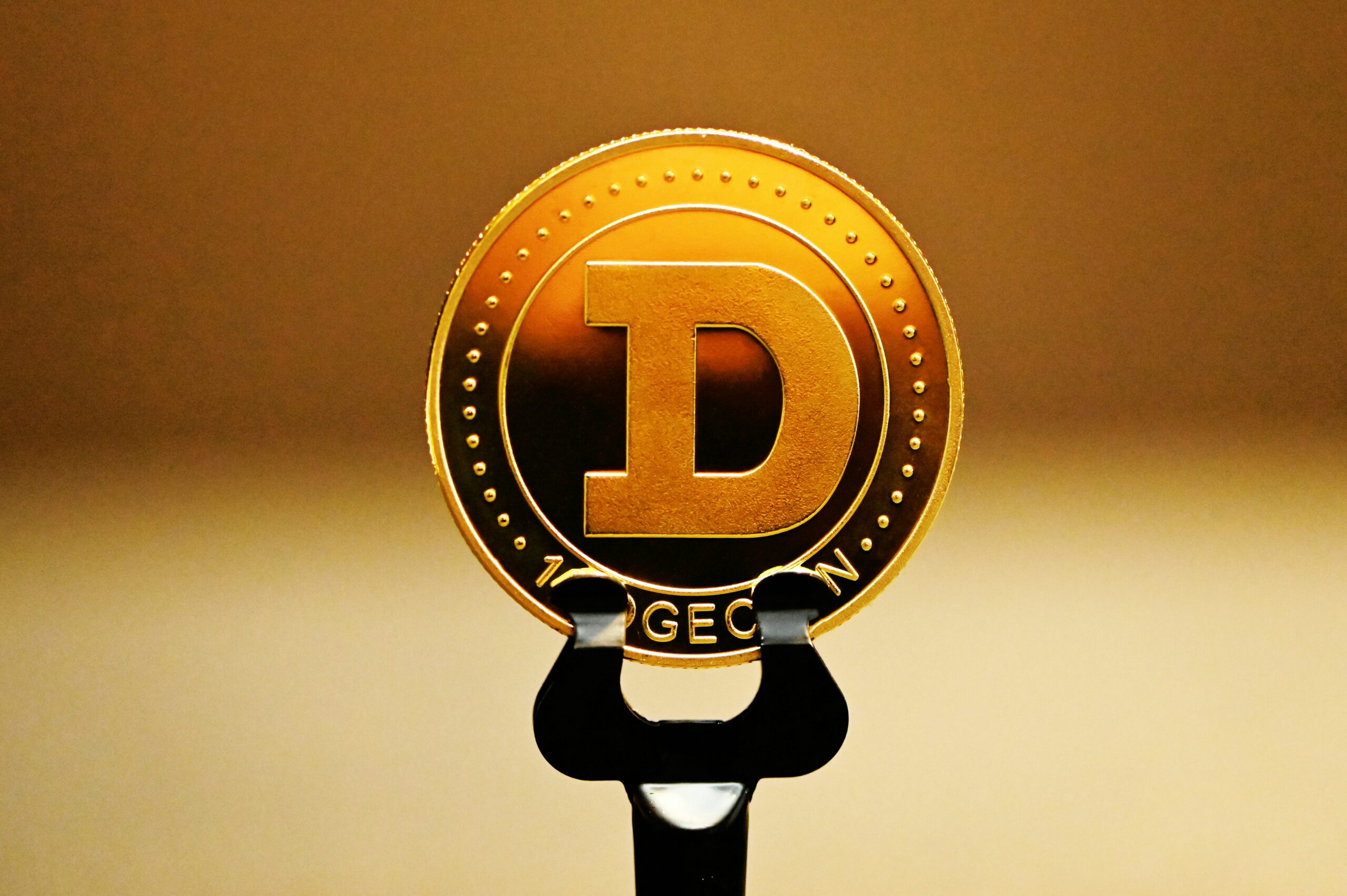
Dogecoin is taking a new step toward expanding its ecosystem beyond payments and tipping, with the launch of Dogecoin Labs, an independent organization established in partnership with the Dogecoin Foundation. Announced on October 21, 2026, the initiative brings together MyDoge, DogeOS, Such App and development resources from the Foundation and House of Doge under the leadership of CEO Jordan Jefferson.
The new organization aims to connect application development, consumer access and merchant payments in one ecosystem. Dogecoin Labs will own and operate MyDoge, DogeOS and Such App, combining their products and technical teams to encourage more businesses and developers to build services around DOGE.
The announcement addresses a long-standing challenge for Dogecoin: its large community and widespread recognition have not necessarily translated into a comparable range of applications and commercial services. Dogecoin Labs says it intends to close that gap by making it easier to develop products and reach existing DOGE holders.
Dogecoin Labs Connects Developers With MyDoge Users
MyDoge and DogeOS will play complementary roles in the new structure. DogeOS provides an application environment for developers, while MyDoge offers a consumer-facing wallet and a potential distribution channel for the applications built within the ecosystem.
MyDoge has reportedly grown to more than 500,000 users without paid acquisition. Its V3 release, rolled out in recent weeks, connects the wallet’s consumer platform with applications being developed on DogeOS. The combination is intended to give developers a way to reach Dogecoin users while providing holders with more services through an existing interface.
DogeOS launched its public testnet on September 30, 2026. The environment is Ethereum Virtual Machine (EVM)-compatible, allowing developers to use familiar tools to build and test applications. Planned areas include decentralized finance, trading, gaming, artificial intelligence, social products and digital assets.
The testnet gives development teams a place to deploy applications, gather feedback and refine products before wider releases. EVM compatibility may lower the technical barriers for developers already familiar with Ethereum-based development tools, although the extent of adoption will depend on the applications they deliver and the demand from DOGE users.
Dogecoin Labs also plans to bring together product and development expertise contributed by the Dogecoin Foundation and House of Doge. The Foundation will retain its broader stewardship responsibilities, including support for open-source development, advocacy and community priorities. Dogecoin Labs, by contrast, will focus on developing and commercializing products for users, developers and businesses.
Such App Adds Merchant Payments to the DOGE Ecosystem
Such App adds a commercial payments component to the organization’s product lineup. Its beta supports merchants selling goods and services for DOGE, including invoicing and in-person payments using QR codes. Planned integration with DogeOS is intended to connect merchants with the wider application ecosystem.
This creates a potential path linking developers, consumers and businesses. Applications could reach users through MyDoge, while merchants could accept DOGE for products and services. Whether this structure generates meaningful growth will depend on merchant adoption, customer demand and the reliability of the services offered.
The announcement also points to MyDoge’s previous involvement in mainstream business and sports. The company says founding chairman Bill Lee tipped $600,000 in DOGE to acquire a team in Ice Cube’s BIG3 basketball league, describing it at the time as the largest commercial Dogecoin transaction recorded. The example illustrates an existing attempt to use DOGE in a commercial setting, though a single transaction does not establish widespread payment adoption.
Jordan Jefferson said the goal is to build an economy that reflects Dogecoin’s community, liquidity and global recognition. Dogecoin Foundation director Tim Stebbing similarly described the new organization as a way to turn community strength into products people use while maintaining the project’s open-development principles.
The initiative’s success will ultimately depend on activity rather than the number of products grouped under one organization. Useful measures will include active application users, recurring DOGE payments, merchant participation and the number of developers launching sustainable services. Dogecoin Labs has now established a structure intended to support that growth, but its ability to expand DOGE utility remains to be demonstrated through adoption.
About The Author