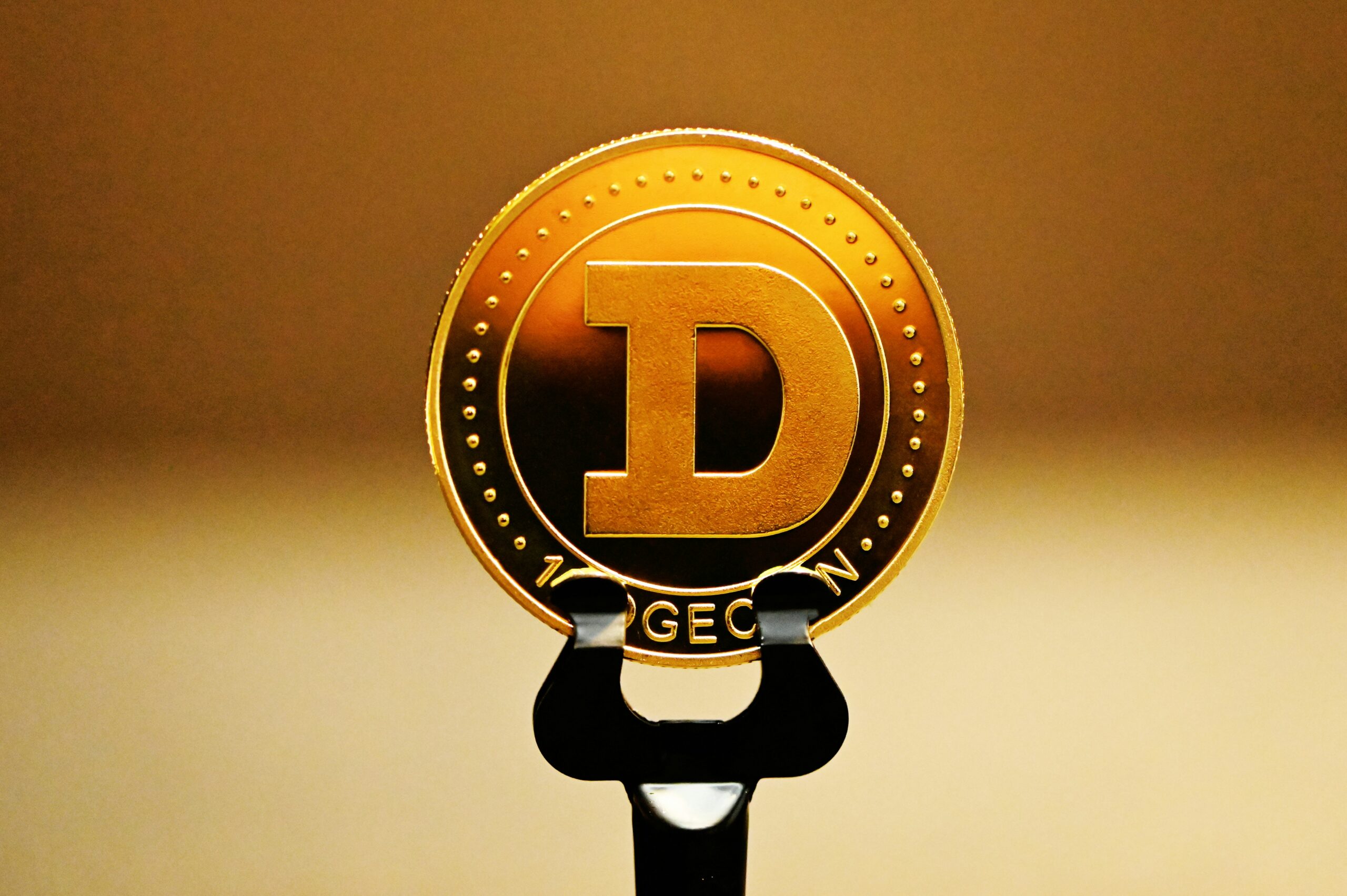
Dogechain, the Ethereum Virtual Machine (EVM)-compatible sidechain built around the Dogecoin ecosystem, is winding down operations after approximately four years of activity. According to statements from the project, the decision was driven by economic realities and market conditions that made continued operation increasingly difficult to sustain.
The shutdown marks the end of one of the most prominent attempts to expand Dogecoin’s functionality beyond simple payments by introducing decentralized finance (DeFi), NFTs, and smart contract capabilities. While Dogecoin itself remains operational and unaffected, Dogechain users are now facing a critical deadline to move assets off the network before infrastructure supporting withdrawals is permanently discontinued.
The project has reportedly kept its bridge infrastructure active for a limited transition period, allowing users to withdraw assets. Based on notices issued in early June, users have approximately 60 days to complete the migration process before the bridge is shut down permanently.
Withdrawal Deadline Creates Urgency for Users
The most important implication of the shutdown is the risk facing users who fail to move assets before the bridge closes.
According to the project’s announcement, assets remaining on Dogechain after the withdrawal period—including tokens, NFTs, liquidity positions, and bridged DOGE—could become permanently inaccessible once network support and bridge infrastructure are discontinued.
This distinction is important because Dogechain is not the Dogecoin blockchain itself. Instead, it functions as a separate EVM-compatible network connected through bridging mechanisms that allow users to move assets between ecosystems. When those bridges cease operating, users may lose the ability to redeem or transfer assets that remain trapped within the sidechain environment.
Related: World’s First Trillionaire Milestone Puts Dogecoin and Bitcoin Back in the Spotlight
While the reported withdrawal window extends roughly until early August, users should consult official project communications and bridge documentation for precise deadlines and withdrawal procedures. Blockchain shutdown timelines can change, and relying solely on community summaries may increase the risk of missed deadlines.
For holders of NFTs, liquidity pool positions, and lesser-known ecosystem tokens, the migration process may be more complicated than simply withdrawing DOGE, particularly if liquidity has already declined significantly as users exit the network.
Dogechain’s Rise and Fall Reflects Broader Market Challenges
Launched during a period of strong interest in meme coins and blockchain expansion, Dogechain sought to bring smart contract functionality to the Dogecoin community without requiring modifications to Dogecoin’s underlying blockchain.
The project enabled decentralized applications, NFT marketplaces, token creation, and DeFi protocols using an EVM-compatible architecture. At its peak, Dogechain attracted significant community attention as developers explored ways to extend Dogecoin’s utility beyond its traditional role as a payment-focused cryptocurrency.
However, Dogechain also faced challenges common to many secondary blockchain ecosystems. Competition intensified as developers and liquidity gravitated toward larger Layer-1 and Layer-2 networks with deeper user bases, stronger funding ecosystems, and broader institutional support.
Related: Dogecoin Whale Activity Hits Six-Month High – Where Next DOGE?
The team’s explanation that market conditions made the network too costly to operate reflects a wider trend seen across the blockchain sector. Numerous sidechains, gaming networks, and application-specific blockchains launched during bullish market periods have struggled to maintain sufficient activity, revenue, and ecosystem participation during less favorable conditions.
The shutdown does not affect the Dogecoin blockchain itself, which continues to operate independently with support from its own community and infrastructure providers. Instead, it highlights the risks associated with smaller ecosystem extensions that depend on sustained user activity and economic viability.
What Happens Next?
For existing users, the immediate priority is ensuring that assets are withdrawn before the bridge closure deadline.
For the broader market, Dogechain’s closure serves as a reminder that blockchain infrastructure projects face the same economic pressures as traditional technology ventures. Building a technically functional network is only part of the challenge; maintaining liquidity, developer activity, and long-term user engagement is often the more difficult task.
The end of Dogechain also illustrates the growing consolidation occurring across the blockchain industry, where activity increasingly concentrates around a smaller number of dominant ecosystems while less active networks struggle to justify ongoing operational costs.
While Dogechain’s chapter may be ending, the broader effort to bring expanded functionality to the Dogecoin ecosystem is unlikely to disappear entirely. The question now is whether future initiatives can achieve the scale and sustainability that ultimately proved elusive for one of Dogecoin’s most ambitious sidechain experiments.
About The Author