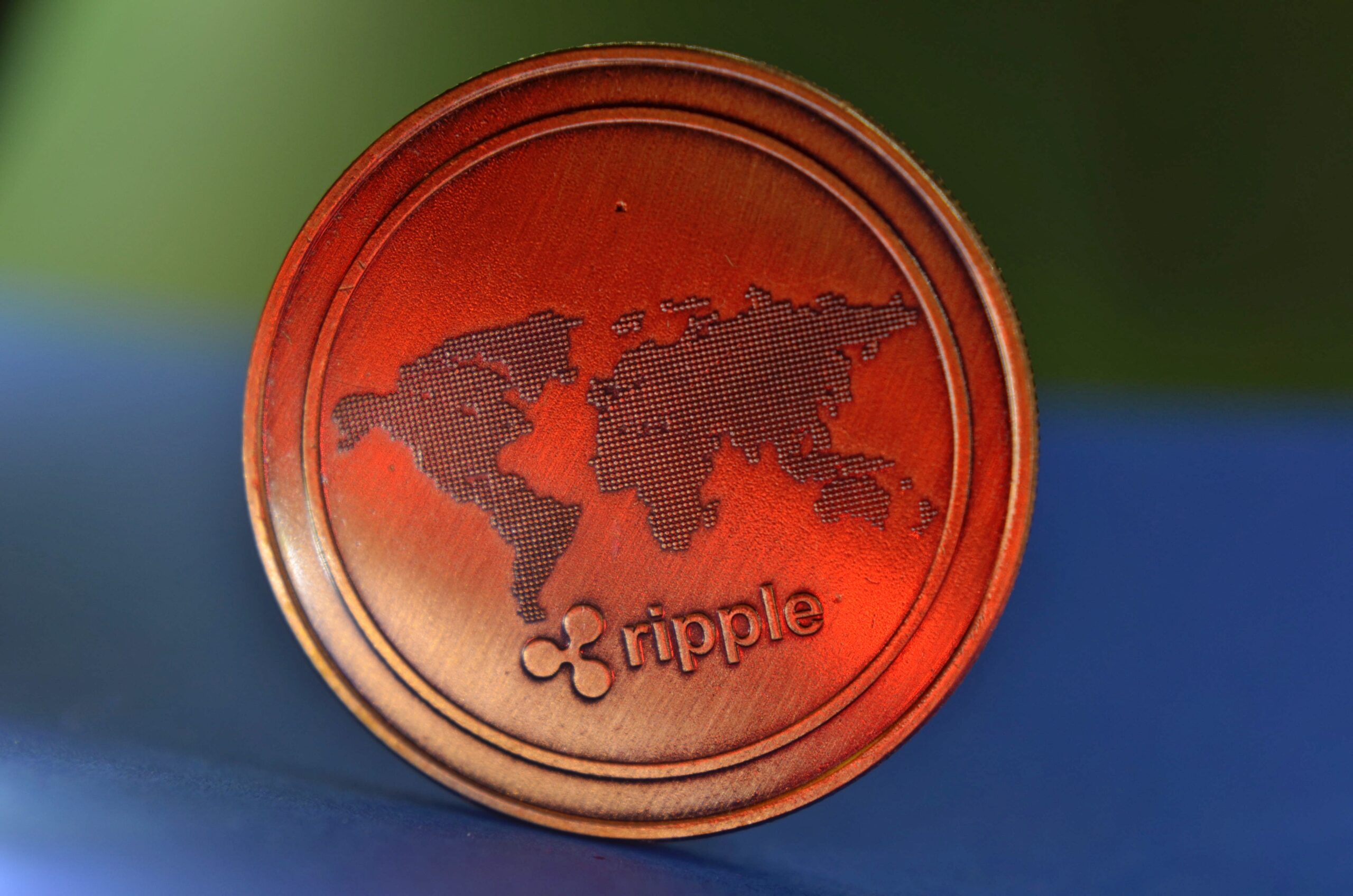
Rakuten Wallet has officially integrated XRP into its platform, enabling both trading and real-world payments beginning April 15, 2026. The move positions XRP not just as a speculative asset, but as a functional currency embedded within one of Japan’s most expansive consumer ecosystems. Through this integration, users can purchase XRP using Rakuten Points and convert XRP into Rakuten Cash for everyday spending. It is a shift that bridges the long-standing gap between crypto ownership and practical usability. More importantly, it introduces digital assets to a user base that has largely remained outside the crypto-native environment.
Starting today, @Rakuten_Wallet users in Japan can convert @Rakuten Points into XRP, spot trade in-app, and spend across 5M+ merchant locations. 🇯🇵
With 44 million Rakuten Pay users and $23B in loyalty points now redeemable for XRP, this is one of the largest retail deployments… pic.twitter.com/P7I52bGjVL
— RippleX (@RippleXDev) April 30, 2026
Rakuten’s scale is difficult to overstate. With over 100 million registered members and a dominant presence in e-commerce, fintech, and digital payments, the company has built one of Japan’s most trusted consumer ecosystems. Its flagship payment service, Rakuten Pay, boasts approximately 44 million users and is deeply embedded in everyday transactions across the country. By integrating XRP into this infrastructure, Rakuten is effectively placing a digital asset into the hands of millions who may have never interacted with cryptocurrency before. This is not adoption driven by speculation or trading platforms—it is adoption driven by convenience and existing consumer behavior.
From Loyalty Points to Liquid Digital Assets
One of the most compelling aspects of this integration lies in Rakuten’s loyalty program. The company has issued over 3 trillion Rakuten Points, representing an estimated $23 billion in stored value. Traditionally, these points have been used within Rakuten’s ecosystem for discounts and purchases, but their conversion into XRP introduces a new layer of financial flexibility. Users are no longer confined to spending within predefined categories; instead, they can transform loyalty rewards into a globally recognized digital asset.
This shift effectively turns passive rewards into active financial instruments. By enabling point-to-XRP conversion, Rakuten is unlocking a dormant pool of value and injecting it into the digital asset economy. It also lowers the barrier to entry for new users, eliminating the need for traditional fiat on-ramps or complex exchange processes. In essence, Rakuten is reframing how consumers perceive both loyalty programs and cryptocurrency—merging the two into a seamless, user-friendly experience.
The implications extend beyond convenience. Loyalty ecosystems have long been criticized for their closed-loop nature, where value is created but rarely leaves the platform. By connecting Rakuten Points to XRP, the company is introducing liquidity and interoperability into its rewards system. This could set a precedent for other global platforms, suggesting that the future of loyalty programs may lie in their integration with blockchain-based assets.
Real-World Utility at Unprecedented Scale
Perhaps the most significant breakthrough is XRP’s transition from a tradable asset to a spendable currency within Rakuten’s vast merchant network. With over 5 million merchant locations accepting Rakuten Pay, users can now utilize XRP for everyday purchases ranging from retail to dining and services. This level of real-world applicability is rare in the cryptocurrency space, where utility often lags behind technological promise.
What makes this integration particularly impactful is its seamlessness. Users do not need to navigate separate wallets, exchanges, or payment systems—everything operates within the familiar Rakuten interface. This eliminates friction, which has historically been one of the biggest barriers to crypto adoption. By embedding XRP directly into a widely used payment system, Rakuten is demonstrating how digital assets can function as a natural extension of existing financial infrastructure.
The broader message is clear: adoption will not be driven solely by innovation, but by integration. Rakuten’s decision to incorporate XRP into its payments and loyalty ecosystem signals a shift toward practical, everyday use cases. It reflects a growing recognition that for digital assets to achieve mainstream relevance, they must operate within systems people already trust and use daily.
As one of Japan’s most established and respected brands, Rakuten Group carries significant influence in shaping consumer behavior. Its endorsement of XRP as both a payment method and a convertible asset sends a powerful signal to the market. It suggests that the next phase of crypto adoption will not be defined by niche platforms or speculative trading, but by integration into the fabric of everyday commerce.
Related: Ripple’s RLUSD Expands Into Africa With Ghana Tax Infrastructure Integration
About The Author