The cryptocurrency industry has spent years promising real-world utility, but relatively few networks have focused as heavily on practical applications as IOTA. While many blockchains continue to prioritize speculative finance, IOTA has positioned itself as infrastructure for digital trade, machine economies, decentralized identity, and industrial automation. The network’s architecture, smart contract capabilities, and focus on enterprise adoption have expanded its potential use cases significantly in 2026. As businesses increasingly seek scalable and efficient distributed ledger solutions, IOTA is finding opportunities across multiple sectors.
Digital Infrastructure Transforming Industries
One of the most important use cases for IOTA is machine-to-machine payments. As connected devices become more common, autonomous systems need a way to exchange value without human intervention. IOTA’s architecture enables devices to pay for services, bandwidth, data, electricity, and computing resources automatically. This capability is increasingly relevant as industries move toward automation and the broader machine economy.
Supply chain tracking remains another major area where IOTA delivers practical value. Companies can use distributed ledger technology to create transparent records of goods moving through global logistics networks. Every stage of production, transportation, and delivery can be verified and tracked. This improves efficiency while reducing fraud, counterfeiting, and data inconsistencies across supply chains.
Digital identity management has emerged as a rapidly growing application. IOTA Identity enables individuals and organizations to control and verify credentials without relying entirely on centralized databases. Educational certificates, professional licenses, health records, and business credentials can be securely verified through decentralized systems. This approach helps reduce identity fraud while improving privacy and interoperability.
Related: Top 10 Companies Building With IOTA
Tokenization of real-world assets has also gained momentum. Businesses can represent physical assets such as real estate, commodities, carbon credits, and financial instruments on-chain. Tokenization improves liquidity, transparency, and accessibility for investors and institutions. As regulatory frameworks mature, asset tokenization continues to become one of the fastest-growing sectors within blockchain technology.
Smart city infrastructure represents another significant opportunity. Connected sensors can collect and share data related to traffic management, public transportation, utilities, and environmental monitoring. IOTA provides a framework for securely recording and exchanging this information between various stakeholders. The result is more efficient urban management and better resource allocation.
Building the Machine Economy
Industrial Internet of Things deployments increasingly rely on trusted data exchange. Manufacturing facilities generate massive amounts of machine data that can be shared among suppliers, operators, and service providers. IOTA helps establish trusted records while supporting automated interactions between connected systems. This improves operational visibility and reduces friction across industrial networks.
Carbon accounting and sustainability initiatives have become another major use case. Organizations are under increasing pressure to verify emissions data and environmental performance. IOTA enables transparent tracking of carbon footprints and sustainability metrics across supply chains. This helps businesses meet compliance requirements while supporting environmental reporting efforts.
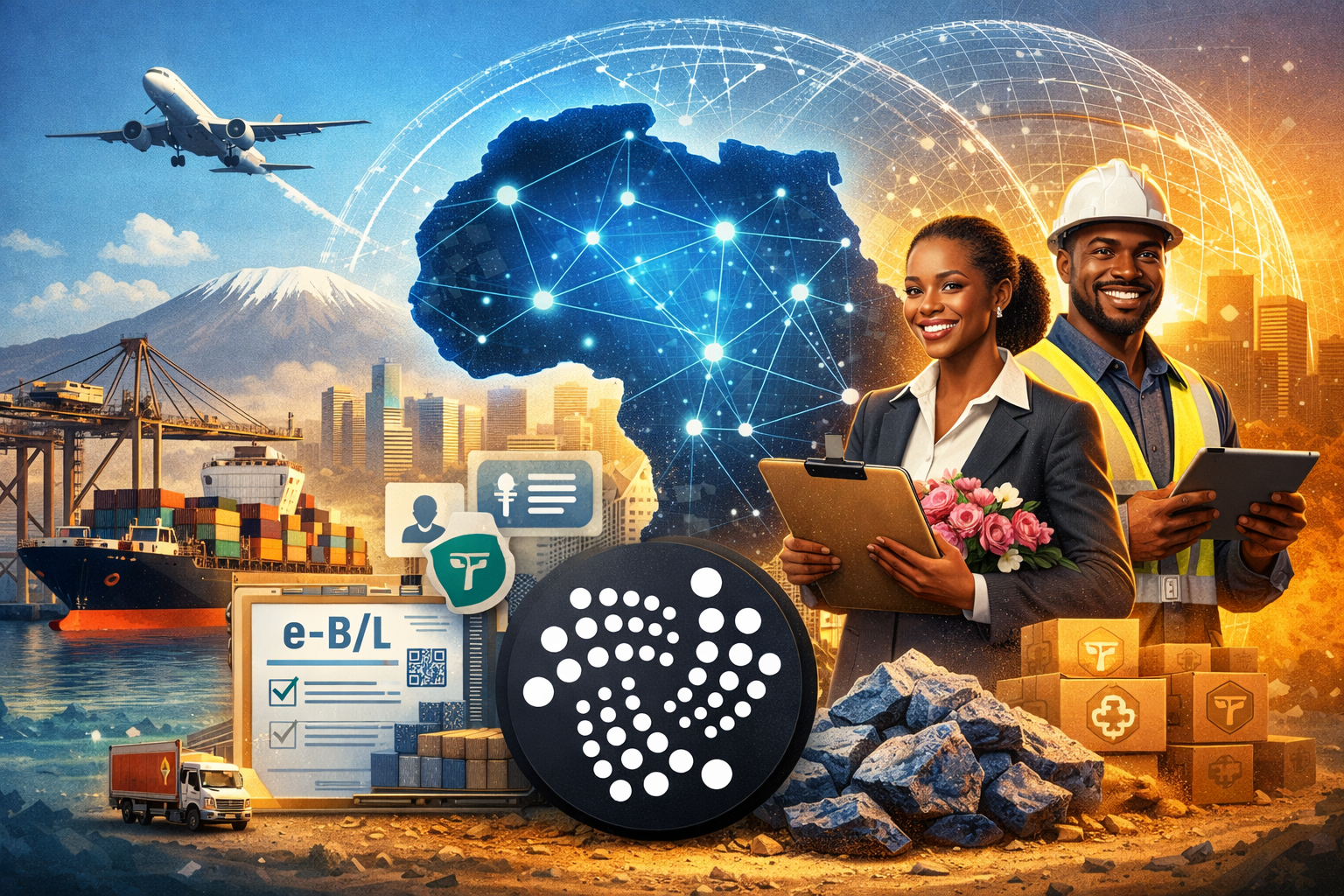
Cross-border trade documentation is another area where distributed ledger technology can streamline operations. Trade finance, customs processing, and shipping documentation often involve multiple parties and fragmented systems. IOTA can create verifiable digital records that reduce paperwork and improve efficiency. Faster document verification can significantly reduce delays in international commerce.
Artificial intelligence is beginning to leverage IOTA for secure data monetization. AI agents require access to large volumes of trustworthy information, and data providers need mechanisms to receive compensation. IOTA enables automated payments and trusted data exchanges between participants. This creates new economic models for AI-driven services and data marketplaces.
Finally, decentralized data marketplaces continue to grow as businesses recognize the value of sharing information securely. Organizations can monetize datasets while maintaining control over access permissions and usage conditions. IOTA’s infrastructure supports these marketplaces by providing trusted transactions and transparent record keeping. As data becomes increasingly valuable in the digital economy, this use case could become one of the network’s most important growth drivers.
The diversity of these applications demonstrates why IOTA remains relevant in 2026. Rather than focusing solely on financial speculation, the network continues to target practical challenges facing businesses, governments, and connected devices. From machine payments and digital identity to sustainability tracking and AI-powered commerce, IOTA’s real-world utility spans multiple sectors. As digital transformation accelerates worldwide, these use cases position the network to play an increasingly important role in the evolving global economy.
About The Author