Starknet Launches Bramble Wallet With Self-Custody, Swaps, and Privacy Features
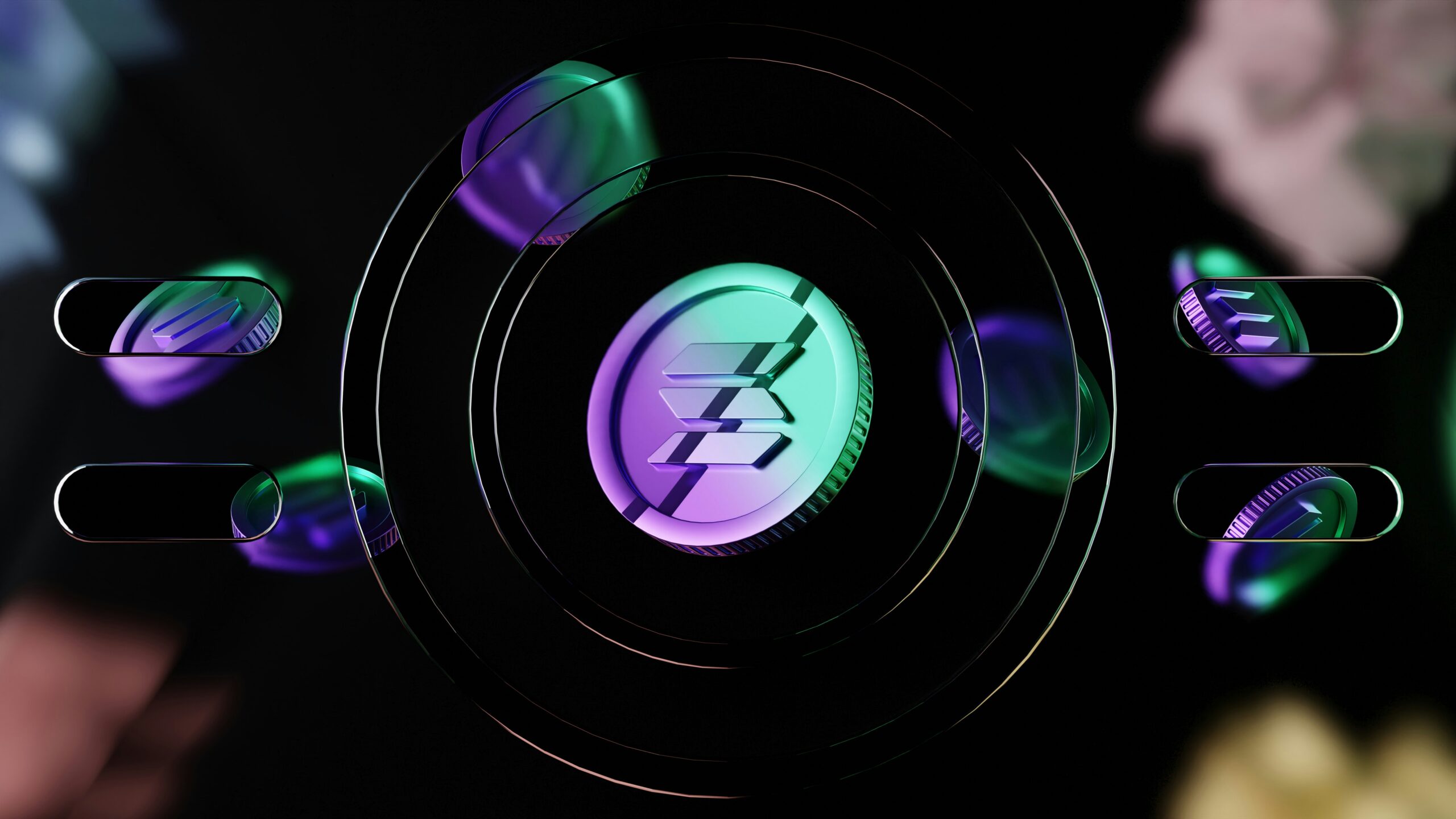
Starknet has introduced Bramble, a new self-custody cryptocurrency wallet developed by the Starknet Foundation to give users a dedicated way to store, swap, and shield digital assets within its ecosystem. Announced on October 20, 2026, the wallet aims to make Starknet’s blockchain capabilities more accessible through a single application that gives users direct control over their crypto holdings.
The launch adds another component to Starknet’s growing infrastructure as the network seeks to attract users beyond developers and decentralized finance participants. According to the announcement, Bramble is designed specifically for Starknet, allowing users to access features built around the network rather than relying solely on wallets developed for broader blockchain ecosystems. The project has directed users to bramble.fi to access the wallet, although its available features and supported assets should be checked against the live product.
Bramble Brings Self-Custody to Starknet Users
Self-custody is a central feature of Bramble. Instead of placing assets under the direct control of a centralized exchange or custodial provider, users retain control of their wallet credentials and authorize transactions themselves. This approach gives users greater independence when managing digital assets, but it also makes security and recovery essential responsibilities.
Users who lose access to their recovery credentials may be unable to retrieve their funds, and fraudulent applications or malicious transaction approvals can result in permanent losses. Bramble’s long-term appeal will therefore depend not only on its features but also on the quality of its security design, recovery options, and user experience.
Starknet describes Bramble as a wallet built to use the network’s capabilities through three core functions: swapping, storing, and shielding crypto. These features position the product as more than a basic wallet for receiving and sending tokens. The goal is to provide a single entry point for users who want to manage assets and interact with Starknet-based financial applications.
The shielding feature is particularly notable because privacy remains an important consideration for cryptocurrency users. Public blockchain transactions can reveal wallet activity and financial relationships, depending on the network and application involved. Shielding tools can offer additional confidentiality, but the precise privacy guarantees, supported assets, and transaction limitations will depend on Bramble’s implementation.
Starknet Foundation Expands Its Wallet Infrastructure
By developing a native wallet, the Starknet Foundation is addressing a key part of the user experience: how people access and manage assets on the network. A wallet that brings several functions together could reduce the need for users to navigate multiple applications to store tokens, swap assets, or access privacy-oriented features.
For Starknet, easier access to these functions could support participation in decentralized finance and other onchain applications. Wallets often serve as the starting point for blockchain adoption because users need a reliable interface to authorize transactions, manage assets, and interact with smart contracts.
However, the launch alone does not establish how many users Bramble will attract or whether it will meaningfully increase activity across Starknet. Adoption will depend on supported assets, transaction costs, application integrations, security performance, and how the wallet compares with existing alternatives.
The project also faces the broader challenge of balancing convenience with self-custody. Users want simple interfaces, but they must still understand the risks of approving transactions and protecting their credentials. Clear security guidance and a reliable recovery process could be important factors in encouraging wider use.
Bramble’s arrival gives Starknet users another option for accessing the network’s ecosystem through a wallet designed around its specific capabilities. If the application delivers a secure and straightforward experience for swapping, storing, and shielding assets, it could strengthen Starknet’s user-facing infrastructure. Its real significance, however, will become clearer through product performance, ecosystem integration, and sustained adoption.
About The Author