
Tesla and SpaceX Appoint Five Directors to Guide Merger Negotiations
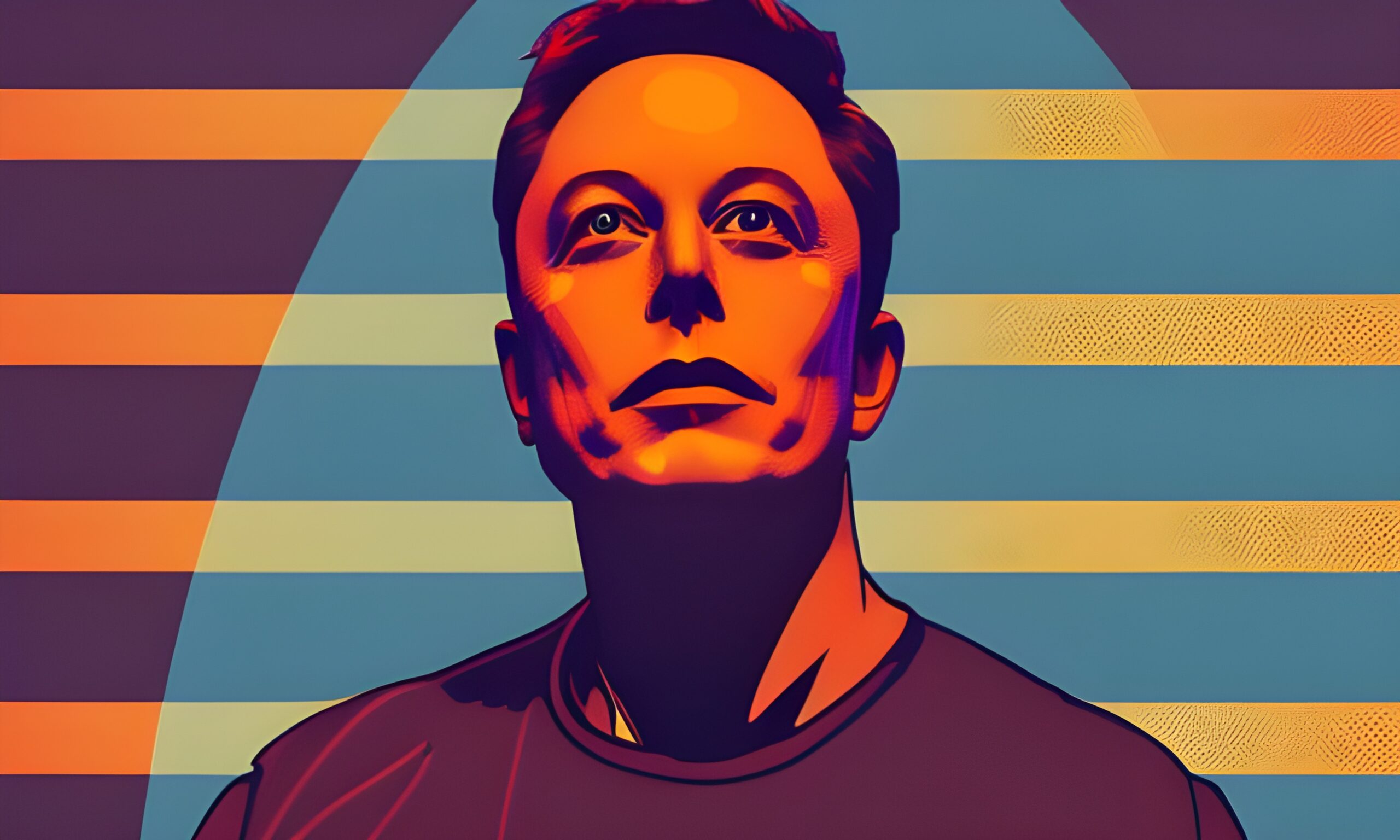
Tesla and SpaceX have appointed five directors to oversee negotiations surrounding a potential merger, marking another step toward Elon Musk’s ambition to bring his electric vehicle, artificial intelligence, robotics and aerospace businesses under one corporate structure. According to a November 24 report by the Financial Times, three directors represent Tesla and two represent SpaceX, with the appointments intended to guide separate committees examining the proposed combination.
The directors named in the report are Roelof Botha and Randy Glein from SpaceX, alongside Robyn Denholm, Kathleen Wilson-Thompson and Jack Hartung from Tesla. The committees are expected to oversee discussions and establish negotiating positions for what could become one of the most significant corporate combinations in modern business history.
The development follows Musk’s comments during SpaceX’s third-quarter earnings call last month, when he described a merger uniting his companies as “a good idea.” He also confirmed that independent director committees had been established to examine the possibility. However, neither company has publicly confirmed the latest appointments, and Reuters said it could not independently verify the Financial Times report.
The potential transaction would bring together companies operating in several industries, including electric vehicles, satellite communications, space transportation, artificial intelligence and robotics. Musk’s broader vision appears to involve combining these businesses into an interconnected corporate structure capable of sharing technology, infrastructure and financial resources.
Investment Banks Examine Merger Structure and Regulatory Challenges
The committees have reportedly hired major financial advisers to develop valuation models and determine potential negotiating positions for an all-stock transaction. SpaceX is working with Morgan Stanley and Goldman Sachs, while Tesla has appointed Evercore. Their work includes examining overlapping business operations and determining how the companies could be valued within a combined corporate structure.
An all-stock merger would allow shareholders in both companies to receive equity in the resulting entity rather than requiring a conventional cash acquisition. However, determining an appropriate exchange ratio could prove complicated given the differences between Tesla’s publicly traded shares and SpaceX’s private-market valuation. The companies also operate across different regulatory environments and have distinct revenue models.
One of the biggest obstacles involves SpaceX’s extensive relationship with the US government. Its defense and national security contracts could attract scrutiny from regulators concerned about the implications of combining those operations with Tesla. Tesla’s significant exposure to China presents another challenge, particularly regarding manufacturing, supply chains and access to one of its most important electric vehicle markets.
Related: Tesla’s New Roadster Can Fly. But Can It Deliver After Nine Years of Delays?
The potential merger has also attracted attention because of its ambitious timeline. Bloomberg previously reported that an announcement could come as early as December, suggesting negotiations have progressed. Nevertheless, no definitive agreement or official announcement date has been confirmed, and regulatory approval could extend the process considerably.
For investors, the proposed combination raises questions about valuation, corporate governance and the future direction of both businesses. Tesla shareholders would potentially gain exposure to SpaceX’s aerospace and satellite operations, while SpaceX investors could participate in Tesla’s automotive, energy and robotics businesses.
The appointment of five directors and the involvement of major investment banks suggest that the discussions have moved beyond a purely conceptual proposal. However, significant financial and regulatory questions remain unanswered. Whether Musk can bring his companies under one corporate roof will depend on the committees’ valuations, shareholder considerations and the ability to overcome the legal challenges surrounding such an unprecedented merger.
About The Author