
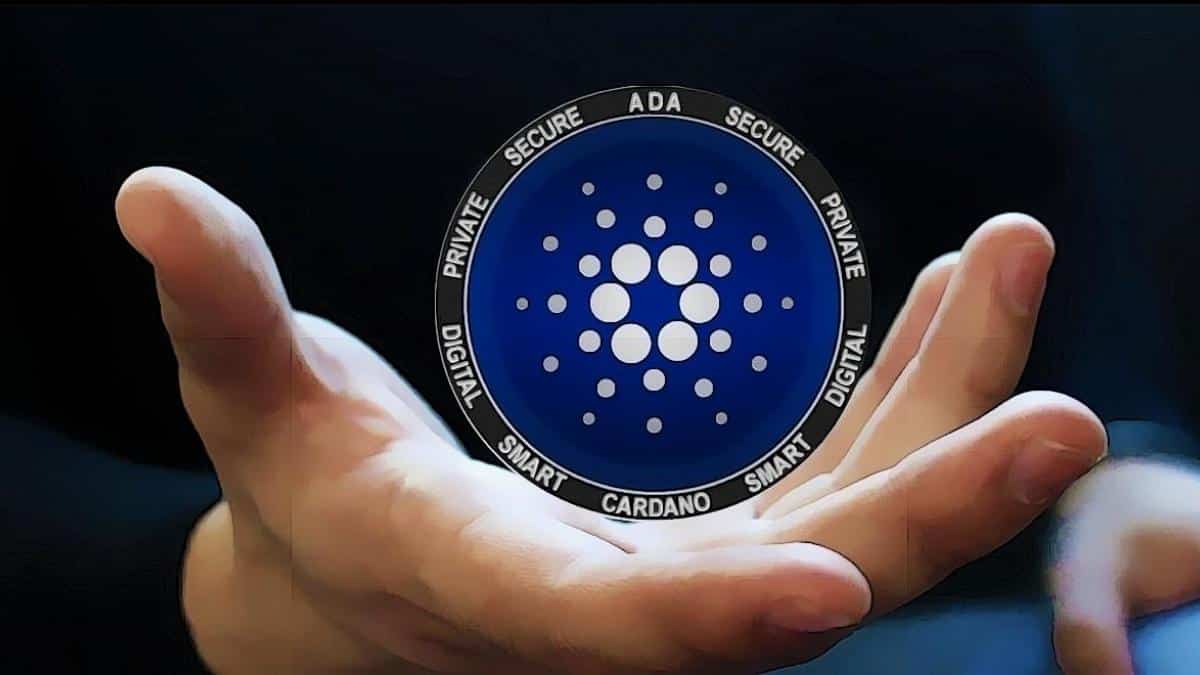
Cardano founder Charles Hoskinson has pushed back against growing criticism of the blockchain as ADA remains more than 95% below its all-time high, reigniting a debate over whether the network’s technological progress is translating into meaningful value for investors. His latest response reflects mounting frustration among holders who have watched Cardano struggle to recover while competing blockchain networks attract users and capital.
The exchange unfolded on X after a user questioned Cardano’s progress compared with Solana, arguing that years of development had failed to deliver the results investors expected. Hoskinson responded angrily, rejecting accusations that Cardano’s efforts had been unsuccessful and expressing frustration with what he sees as relentless criticism of the ecosystem.
“So every single thing a f****** scam? Everything they do failed? I’m so tired of you people,” Hoskinson responded. His remarks quickly drew attention as the debate shifted from Cardano’s technology to the growing disconnect between the network’s development narrative and ADA’s market performance.
Hoskinson has repeatedly argued that a cryptocurrency’s price should not be used as the sole measure of its blockchain’s progress. He maintains that Cardano has continued improving its technology, infrastructure and capabilities despite the prolonged downturn, while critics argue that those developments have yet to produce sufficient adoption, economic activity or price recovery.
ADA’s 95% Crash Fuels Cardano Community Frustration
ADA has fallen approximately 95.4% from its all-time high of $3.09, recorded in September 2021. The token was trading around $0.14 during the latest selloff, with the decline placing Cardano among the weaker-performing major cryptocurrencies in the current market downturn.
The scale of the decline has intensified questions about whether Cardano has been able to convert years of development into a competitive advantage. Investors have increasingly compared the network with Solana, Ethereum and other ecosystems that have attracted greater attention through decentralized finance, trading activity, applications and user growth.
Hoskinson pushed back against the comparison by arguing that price performance does not necessarily reflect how much a blockchain has improved. He pointed to Solana as an example, questioning whether its capabilities had deteriorated simply because its token price had fallen, and argued that the same logic applied to Cardano.
Related: Cardano Founder Hoskinson Says He Never Promised ADA Would Rise
The argument highlights a familiar divide within crypto communities. Long-term supporters often focus on infrastructure, decentralization, protocol development and future applications, while traders and investors tend to judge projects through market performance, liquidity, adoption and returns on capital. For ADA holders who purchased near previous highs, technological progress may offer little comfort while their portfolios remain deeply underwater.
Cardano’s criticism has also centered on ecosystem activity and its ability to attract developers and users at a scale comparable with competing networks. Although the blockchain continues to receive upgrades, the challenge is demonstrating that these developments translate into applications people actively use and economic activity that creates sustained demand for ADA.
Hoskinson Defends Cardano’s Utility as the Solana Debate Intensifies
Hoskinson’s defense comes as Cardano continues to face questions about its competitive position. Solana has become a frequent comparison because of its trading activity, decentralized applications and user engagement, making it a difficult benchmark for Cardano to avoid as investors evaluate the relative performance of major blockchain ecosystems.
The Cardano founder’s argument is that the industry often confuses token price with technological capability. A network can improve its infrastructure, introduce new features and become more useful even when its native cryptocurrency is declining. However, critics counter that sustained adoption and economic activity are ultimately necessary if those improvements are expected to create value for token holders.
Related: Cardano Foundation Partners With InnoEnergy to Train the Next Generation of Energy Leaders
The debate also reflects the pressure facing blockchain projects to demonstrate tangible results after years of promises about scalability, decentralized applications and mainstream adoption. Cardano has continued working on its roadmap, but investors increasingly want evidence that development progress can translate into stronger ecosystem growth rather than remain a long-term narrative.
For Hoskinson, the latest confrontation appears to be another example of frustration with criticism that he believes dismisses Cardano’s progress entirely. For ADA holders, however, the 95% decline remains difficult to ignore. Until Cardano can demonstrate stronger adoption, competitive activity and sustained market demand, the argument that its technology is progressing independently of its token price is likely to remain one of the most contentious issues surrounding the project.
About The Author