
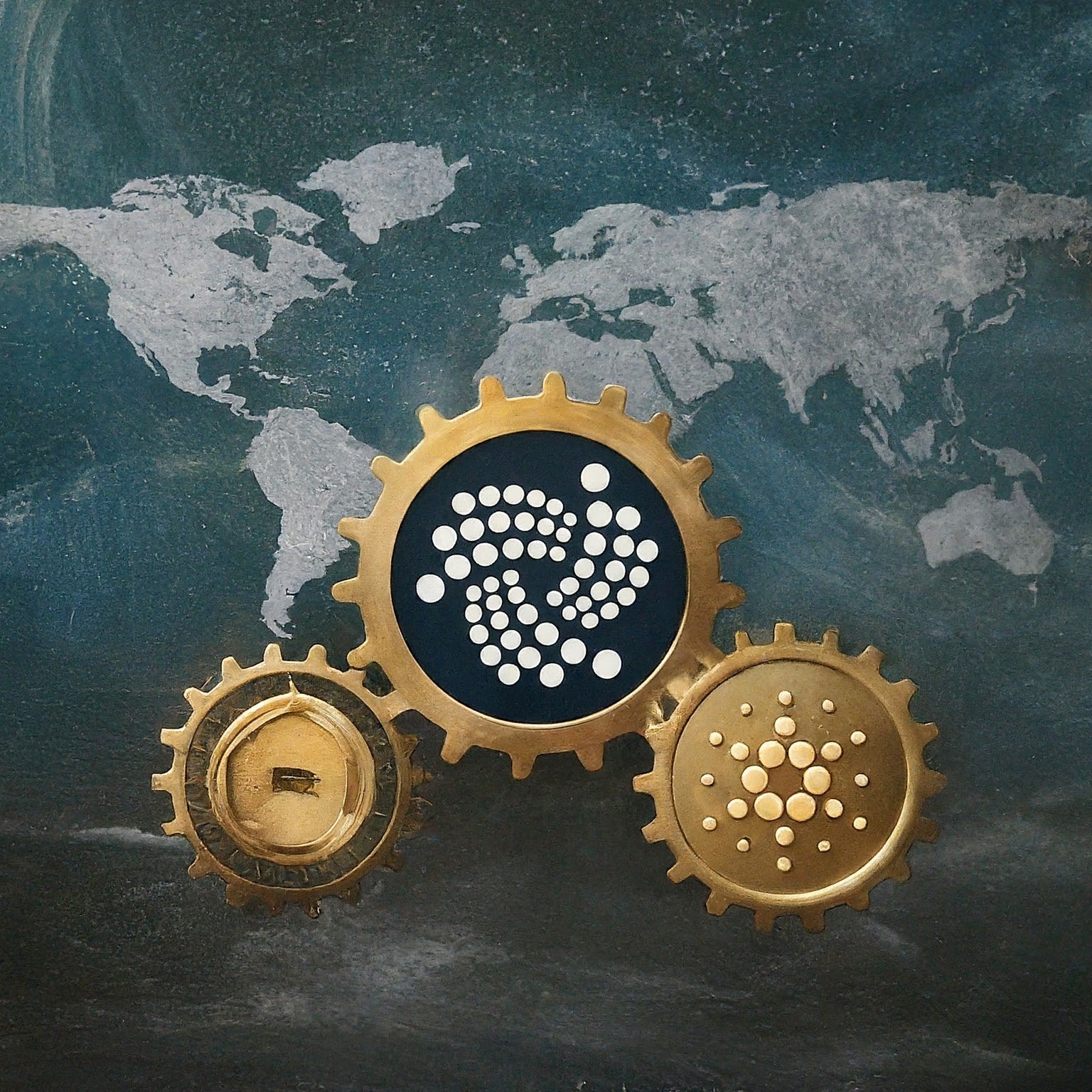
The IOTA Foundation has gained a place in Germany’s ongoing discussion around customs modernization and financial crime enforcement after its submission was included in the official consultation process for a proposed federal law aimed at strengthening customs authorities and combating illicit financial flows.
The draft legislation, known as the Customs Financial Justice Act (Zollfinanzgerechtigkeitsgesetz, or ZFG), was published by Germany’s Federal Ministry of Finance earlier this year. The proposal seeks to modernize customs administration, strengthen anti-money laundering capabilities, and improve the detection of organized criminal activity through a broader “Follow the Money” strategy.
As part of the legislative process, the ministry published statements from organizations, professional associations, legal experts, and other stakeholders invited to provide feedback on the draft law. The IOTA Foundation’s contribution appears among those submissions, placing the organization’s views within an official government consultation framework.
While the development does not represent government adoption of IOTA technology, it signals that the foundation’s recommendations have been formally considered as part of the policy discussion.
IOTA Advocates for Verifiable Digital Trade Infrastructure
According to the foundation’s position, modern customs systems require more than simply digitizing existing paperwork. IOTA argues that international trade increasingly depends on trusted, verifiable data that can be shared across organizations, regulators, logistics providers, and financial institutions.
The foundation has promoted the use of distributed ledger technology (DLT) to create tamper-resistant records for trade documentation, supply chain events, company credentials, and customs-related information. Such systems could potentially improve transparency while reducing opportunities for fraud, document manipulation, and trade-based money laundering.
Related: IOTA Highlights Energy-Efficient Web3 Design
Central to that vision is the Trade Worldwide Information Network (TWIN), an initiative backed by the IOTA Foundation and several partners. The project aims to create a shared digital infrastructure that allows participants in global trade networks to exchange and verify information more efficiently.
Supporters argue that trusted digital records could help customs authorities conduct more effective risk analysis while giving businesses a more streamlined way to share compliance data across borders.
Germany Focuses on Financial Crime and Illicit Flows
The broader legislative proposal reflects Germany’s increasing focus on financial crime enforcement.
According to the Finance Ministry, the ZFG would strengthen customs authorities’ ability to combat international money laundering, organized crime, and illegal financial flows. The law is also intended to support broader government efforts to improve coordination between agencies and enhance financial investigations. The proposed legislation is currently expected to take effect in January 2027 if approved through the legislative process.
For blockchain advocates, the inclusion of IOTA’s submission highlights a growing willingness among policymakers to engage with emerging technologies as they evaluate future digital infrastructure.
Related: IOTA Launches Audit Trails to Bring Verifiable Histories to Multi-Party Workflows
At the same time, the consultation process remains only one stage of lawmaking. There is currently no indication that German authorities have selected IOTA, TWIN, or any specific blockchain platform for deployment within customs operations.
What the development does demonstrate is that distributed ledger technology is increasingly part of policy discussions surrounding trade transparency, financial crime prevention, and the modernization of government systems. As lawmakers refine the legislation, proposals from organizations such as the IOTA Foundation will likely continue to inform the debate over how digital infrastructure can support more transparent and secure international trade.
About The Author