
Revolut Launches Dogecoin-Themed Physical Crypto Card
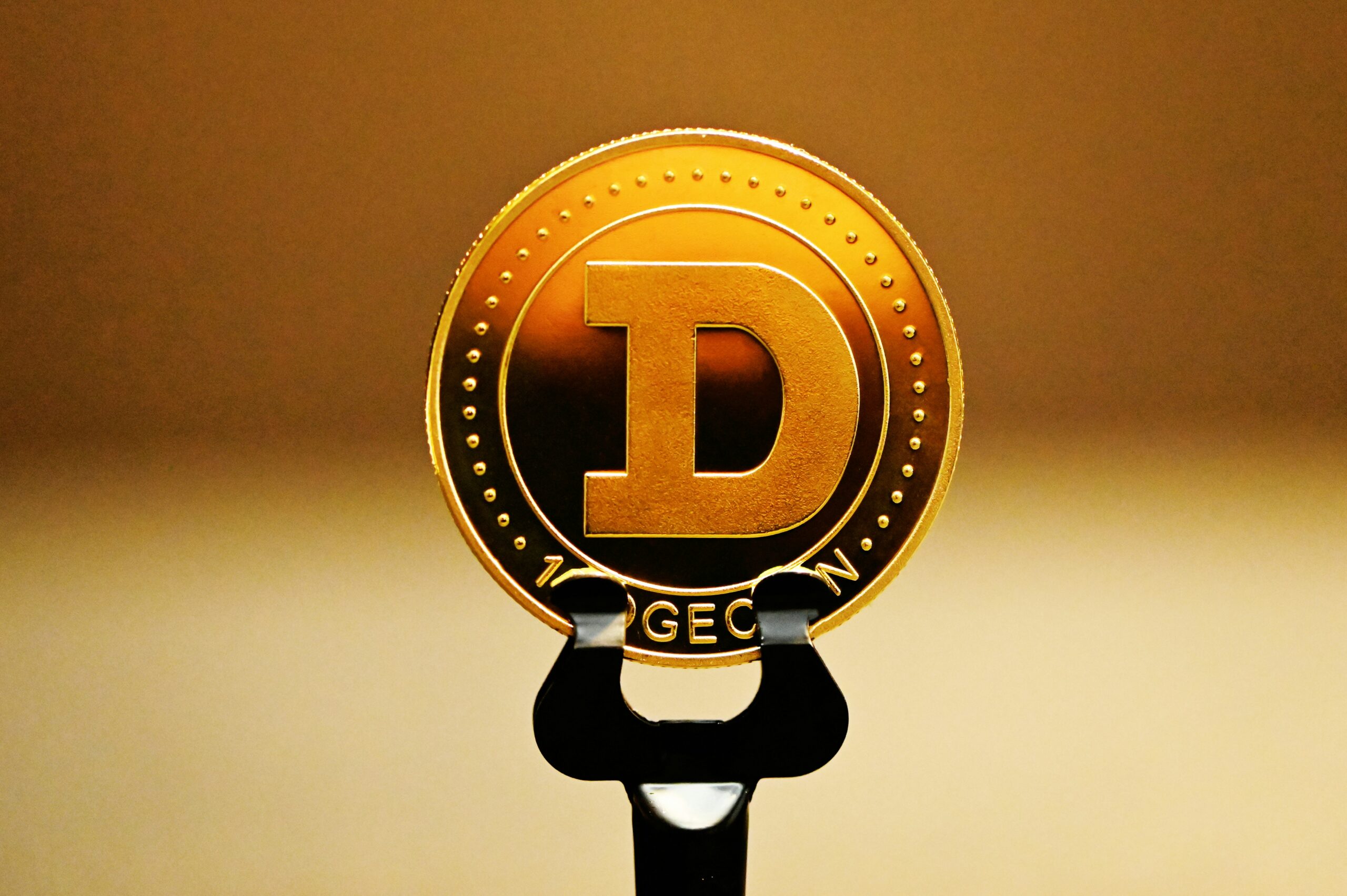
Revolut has officially introduced its first physical crypto payment card, featuring a design inspired by Dogecoin and an integrated LED display that lights up during transactions. The card is initially being rolled out across the United Kingdom and most countries within the European Economic Area, excluding Hungary, Switzerland, and Portugal.
The launch marks another step in the growing integration of cryptocurrency functionality into mainstream financial products. According to Revolut, the new card allows users to spend crypto-linked balances anywhere Visa and Mastercard are accepted, bridging digital assets with everyday retail payments. The product also includes zero exchange fee features under certain usage conditions, though exchange rate and fair usage fees may still apply depending on the customer’s subscription plan.
The LED-enabled payment feature is designed to create a more interactive consumer experience, reflecting the increasing effort by fintech companies to merge digital asset culture with traditional payment infrastructure. Initial supplies of the card are reportedly limited as demand begins to roll out across supported markets.
Crypto Payment Adoption Continues Expanding Into Consumer Finance
The Dogecoin-themed card reflects a broader trend where crypto platforms and fintech firms are increasingly focusing on consumer-facing payment products rather than purely trading-based services. Physical crypto cards have become an important bridge between blockchain-based assets and traditional financial systems, allowing users to spend digital assets in everyday transactions while abstracting much of the technical complexity behind cryptocurrency payments.
Revolut also emphasized the risks associated with crypto investing, reminding users that digital assets remain high-risk investments and that crypto card payments may trigger taxable events depending on local regulations. Since spending cryptocurrency can be considered a disposal of crypto assets in many jurisdictions, users may be subject to capital gains or other tax obligations based on their individual circumstances.
Related: Dogecoin Whale Activity Hits Six-Month High – Where Next DOGE?
The inclusion of Dogecoin branding is particularly notable given the cryptocurrency’s evolution from an internet meme into one of the most widely recognized digital assets globally. While Dogecoin was originally created as a parody cryptocurrency, its strong online community and mainstream cultural visibility have helped it remain relevant within the broader digital asset industry.
As fintech platforms continue integrating blockchain-related services into traditional banking and payment experiences, products like Revolut’s crypto card highlight how digital assets are gradually becoming more embedded within mainstream consumer finance infrastructure.
About The Author