
SBI and SMFG Launch Solana Venture to Bring $2.3 Trillion in Assets Onchain
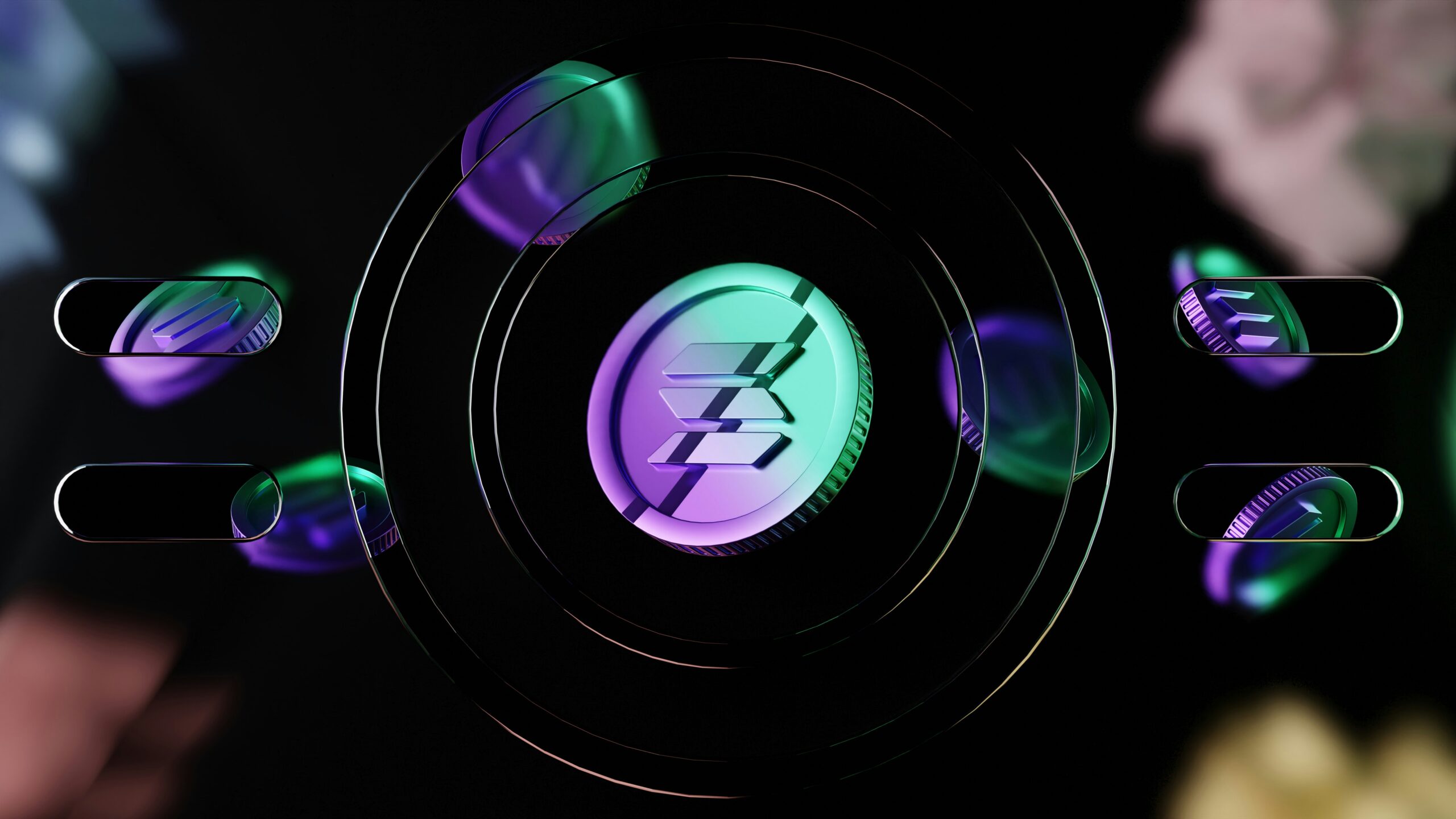
Solana has secured a significant entry point into Japan’s traditional financial sector following the launch of SBI Solana Global, a joint venture involving SBI Holdings and Sumitomo Mitsui Financial Group (SMFG). The company has begun full operations in collaboration with the Solana Foundation, bringing together financial institutions with a combined $2.3 trillion in assets and access to more than 80 million customers. The initiative aims to connect Japan’s established financial infrastructure with blockchain-based services, focusing on stablecoin payments, tokenized financial assets and onchain asset management.
The launch represents a potentially important development for Solana’s institutional adoption. Rather than approaching blockchain technology primarily through cryptocurrency trading or decentralized finance, SBI Solana Global intends to develop practical financial applications that can operate alongside traditional banking services. Its initial focus on Japan also provides an opportunity to test blockchain-based financial products in one of Asia’s most established financial markets before pursuing expansion across the region and internationally.
The involvement of SBI Holdings and SMFG is particularly significant because both institutions have established positions in Japan’s financial industry. Their combined asset base and customer reach offer a potential distribution channel that many blockchain projects struggle to secure. Instead of depending entirely on retail cryptocurrency adoption, the venture can explore how blockchain infrastructure fits into existing financial relationships, institutional services and payment systems.
The venture is not starting from scratch. It builds on the existing SBI R3 Japan business, which has now transitioned to SBI Solana Global following the completion of agreements between SBI Holdings, SMFG and the Solana Foundation. The company previously worked on enterprise blockchain applications, including projects involving Toyota Tsusho and Mitsubishi UFJ Trust and Banking. Its transition gives the new venture an established corporate foundation and experience developing blockchain solutions for traditional businesses.
The $2.3 trillion figure is particularly important, but it needs context. It represents the combined assets of SBI Holdings and SMFG, not funds already transferred onto Solana or assets directly managed by the new venture. Similarly, the 80 million-plus customer figure represents the financial groups’ collective reach rather than confirmed users of blockchain-based services. Nevertheless, the scale of these institutions provides a substantial potential distribution network for future products.
Four Business Areas Could Expand Solana’s Role in Traditional Finance
SBI Solana Global has identified four primary business areas. The first is stablecoin payment infrastructure, covering domestic and international payments and remittances. The company is also exploring emerging applications such as micropayments conducted by artificial intelligence agents, where automated systems could make small payments for services without requiring conventional manual payment processes.
The second area involves tokenized financial assets, including bonds, investment funds and loan receivables. Tokenization allows financial instruments to be represented as digital tokens on a blockchain, potentially simplifying issuance, distribution and settlement. For financial institutions, this could create more efficient ways to manage securities while connecting traditional investment products with blockchain-based markets.
The third focus is real-world asset tokenization. This extends beyond conventional financial instruments to commodities, rights and other physical or non-financial assets. By creating digital representations with mechanisms for authenticity and traceability, the venture could help establish new investment and distribution opportunities. Its fourth business area, onchain asset management, aims to develop financial services using stablecoins and tokenized assets.
The longer-term ambition is to connect these activities rather than operate them as isolated services. An investor could eventually access tokenized financial products, make payments using stablecoins and manage investments through interconnected blockchain infrastructure. Such an arrangement could reduce friction between financial transactions and asset management, although the specific products and launch schedules have not yet been announced.
Related: Solana Tokenized Securities Market Reaches $10 Billion Through Backpack
Solana provides the underlying blockchain infrastructure for this strategy. Its high-speed transaction processing and relatively low transaction costs make it attractive for applications requiring frequent payments and asset transfers. The Solana Foundation will also collaborate with SBI Solana Global to support business expansion and connect the venture with the wider blockchain ecosystem.
For Solana, the partnership represents an opportunity to deepen its presence in Japan’s financial industry and demonstrate that its infrastructure can support applications beyond retail trading and decentralized finance. For SBI and SMFG, it creates a structured route into onchain markets while drawing on their existing financial expertise and customer relationships.
The initial priority is to establish practical applications in Japan before expanding into other Asian markets and eventually connecting with global onchain financial networks. However, the announcement does not disclose specific product launch dates, committed capital, ownership percentages or initial transaction volumes. The next important milestones will therefore be the introduction of actual services and evidence of institutional and customer adoption.
Ultimately, SBI Solana Global gives Solana something more substantial than another announced partnership: an operating venture backed by two major Japanese financial groups. The $2.3 trillion asset base and 80 million-plus customer reach create considerable potential, but the real measure of success will be how much financial activity the venture actually brings onchain. If it converts that institutional reach into functioning payment, tokenization and investment services, it could become an important bridge between traditional finance and Solana’s global blockchain ecosystem.
About The Author