
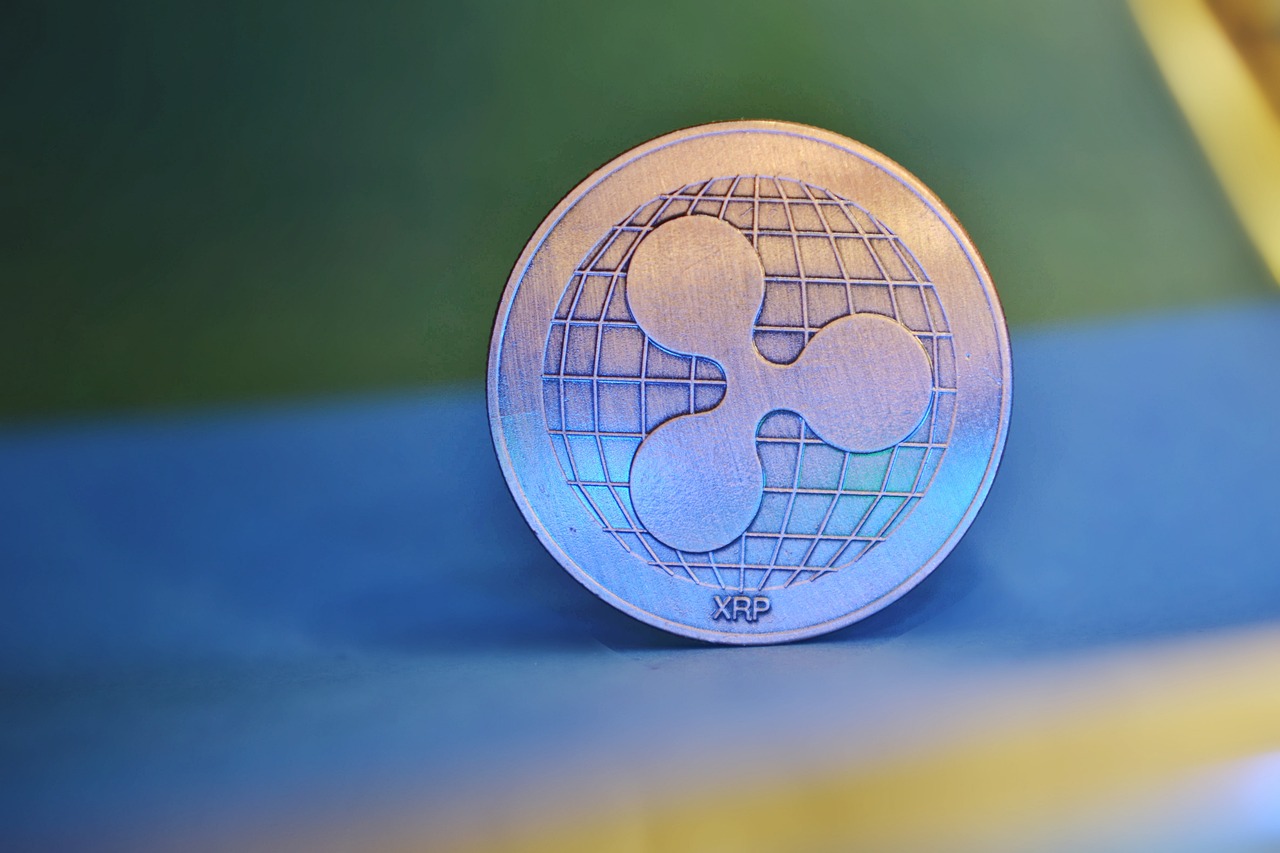
Ripple is moving deeper into traditional finance, with BNY, Brazilian financial infrastructure and tokenized assets bringing the XRP Ledger closer to institutional markets. But there is a question XRP investors should not ignore: does the expansion of Ripple’s business create lasting demand for XRP itself?
For years, XRP supporters have argued that the cryptocurrency could become an important part of the global financial system. That argument is becoming more interesting as major financial institutions explore blockchain-based custody, payments, tokenization and settlement.
In October 2026, BNY expanded its relationship with Ripple, adding XRP and Ripple USD (RLUSD) to its institutional digital asset custody platform. The two companies are also exploring tokenized trade finance using the XRP Ledger (XRPL).
These developments are significant. However, institutional adoption of Ripple’s infrastructure and demand for XRP are two different things. Understanding that distinction could be more important to long-term XRP holders than another price prediction.
What Is Driving Institutional Interest in XRP and the XRP Ledger?
The XRP Ledger is a public blockchain designed to facilitate payments, asset transfers and financial applications. XRP is its native digital asset, used for transaction fees, account reserves and as a bridge asset for exchanging value.
Ripple is a separate technology company that develops financial products using XRP, RLUSD and blockchain infrastructure.
The distinction matters because financial institutions can adopt Ripple’s products or build on the XRP Ledger without necessarily purchasing large amounts of XRP.
Nevertheless, recent developments suggest that the ecosystem is moving beyond its traditional cross-border payments narrative.
1. BNY Is Expanding Its Relationship With Ripple
On October 27, 2026, Ripple announced an expanded collaboration with BNY, one of the world’s largest custody banks.
BNY now supports XRP and RLUSD on its Digital Asset Custody platform, allowing eligible institutional clients to safeguard, hold and transfer these assets.
The companies are also exploring tokenized trade finance with C2FO, focusing on supply-chain financing and approved receivables.
This is important because trade finance represents a potential application for blockchain technology beyond cryptocurrency trading.
Businesses routinely wait weeks or months for invoices to be settled. Tokenization could make these financial claims easier to represent, transfer and finance through digital infrastructure.
However, the proposed trade-finance initiative remains under exploration. It should not be confused with a fully operational institutional lending market.
2. Brazil Is Testing the XRP Ledger in Financial Market Infrastructure
Another development worth watching comes from Brazil.
In September 2026, CSD BR announced a partnership with Ripple to use the XRP Ledger as an additional infrastructure layer for recording and auditing financial assets.
The initial phase involves investment fund shares associated with BTG Pactual.
CSD BR manages infrastructure covering more than BRL 22 trillion in registered assets. Its initiative involves mirroring ownership records on the XRP Ledger while maintaining its own systems as the official source of record.
This distinction is important.
The project is not replacing Brazil’s existing securities infrastructure with a public blockchain. Instead, it is testing how distributed ledger technology can improve transparency, traceability and record verification within an existing regulated environment.
The initial implementation is permissioned, with access restricted to authorized corporate and banking participants.
For XRP supporters, this is a meaningful development because it demonstrates an institutional use case for the technology behind the token.
But it does not establish that the participating institutions must hold substantial XRP reserves to operate the system.
Does Institutional Adoption Actually Create Demand for XRP?
This is arguably the most important question for investors.
The XRP Ledger can facilitate the issuance and transfer of tokenized assets, stablecoins and other digital currencies. XRP can serve as a bridge asset, allowing participants to exchange different currencies without maintaining separate pools of liquidity for every trading pair.
However, not every transaction on the XRP Ledger requires XRP as the currency being transferred.
For example, an institution sending RLUSD can settle a dollar-denominated transaction using RLUSD. XRP remains relevant to the network through transaction fees and account reserves, but the payment itself does not automatically generate an equivalent purchase of XRP.
There are three important ways greater adoption could benefit XRP.
First, liquidity demand. If financial institutions increasingly use XRP as a bridge asset between currencies and tokenized assets, they may require access to deeper XRP liquidity.
Second, network activity. More applications and transactions create activity on the XRP Ledger. Every transaction consumes a small amount of XRP in fees, although the resulting supply reduction is extremely small relative to XRP’s total supply.
Third, collateral and financial applications. If institutional lending, trading and collateral markets develop around XRP, the asset could gain additional financial utility beyond payments.
The challenge is proving that these activities generate sustained demand for the token rather than simply increasing the use of the underlying blockchain.
XRP’s Next Competition May Come From Stablecoins and Tokenized Finance
There is another development XRP investors should pay attention to: the expansion of stablecoins.
RLUSD, Ripple’s US dollar-backed stablecoin, has become an important part of the company’s financial infrastructure.
Ripple reported that RLUSD had reached approximately $2.5 billion in market capitalization by October 2026, supporting applications across payments, trading and tokenized finance.
This creates an interesting dynamic.
Stablecoins provide price stability, making them attractive for institutions transferring dollar-denominated value. XRP, meanwhile, offers a volatile digital asset that can potentially serve as a bridge between different currencies and liquidity markets.
These assets can complement each other, but they also compete for certain payment and settlement use cases.
If institutions increasingly prefer stablecoins for direct payments, XRP will need to demonstrate why its liquidity and bridge-asset functions remain valuable.
The strongest outcome for XRP holders would be an ecosystem where stablecoins expand activity while XRP becomes increasingly important for liquidity, exchange and financial applications.
Could AI Payments Create Another Use Case for XRP?
Institutional finance is not the only area where the XRP Ledger is expanding.
In June 2026, Ripple introduced its XRP Ledger AI Starter Kit, designed to help developers build applications involving autonomous AI payments.
The initiative includes support for the x402 payment protocol, allowing AI agents to pay for APIs, computing resources and other digital services using XRP or RLUSD.
This is an interesting development because autonomous software agents may eventually need to conduct thousands of small transactions without human approval for every payment.
The XRP Ledger offers several relevant features:
- Settlement in approximately three to five seconds.
- Predictable, low transaction costs.
- Native multi-currency payment functionality.
- Support for XRP and RLUSD transactions.
- Developer tools for building agent-powered applications.
But the opportunity remains dependent on adoption. Providing developers with payment infrastructure does not guarantee that AI companies will build commercial applications around it.
For XRP, the question is whether autonomous payment systems will create meaningful demand for the native token or primarily use stablecoins such as RLUSD.
What Should XRP Holders Watch Next?
The next phase of XRP’s development should be measured through actual economic activity rather than announcements alone.
There are five indicators worth monitoring:
- XRP liquidity: Whether institutional and cross-border transactions increasingly use XRP as a bridge asset.
- Tokenized asset activity: Whether financial institutions move beyond initial deployments and generate recurring transactions on XRPL.
- Stablecoin growth: Whether RLUSD and other stablecoins expand the ecosystem while creating additional demand for XRP-related liquidity.
- Developer adoption: Whether AI payments, lending and decentralized finance applications attract sustained users.
- XRP’s economic role: Whether increased network activity translates into measurable demand for XRP itself.
These indicators will help distinguish genuine adoption from partnerships that generate headlines but have limited economic consequences for token holders.
The Verdict: Ripple’s Growth Is Not Automatically XRP’s Growth
XRP is entering an interesting stage of its development.
BNY’s expanded custody relationship, Brazil’s financial infrastructure initiative and Ripple’s investment in AI-powered payments all demonstrate that the XRP ecosystem is pursuing applications beyond cryptocurrency speculation.
But investors should avoid treating every Ripple partnership as a direct catalyst for XRP’s market value.
The distinction between Ripple, the XRP Ledger and XRP remains essential.
Ripple can expand its business. The XRP Ledger can attract financial institutions. RLUSD can grow as a stablecoin. Yet XRP still needs to demonstrate that these developments create meaningful, sustained demand for the native asset.
The next major milestone for XRP should not simply be another bank partnership. It should be evidence that institutions need XRP itself to move, exchange, finance or settle value.
That is the difference between building a successful blockchain business and building a cryptocurrency with durable economic demand.
About The Author