
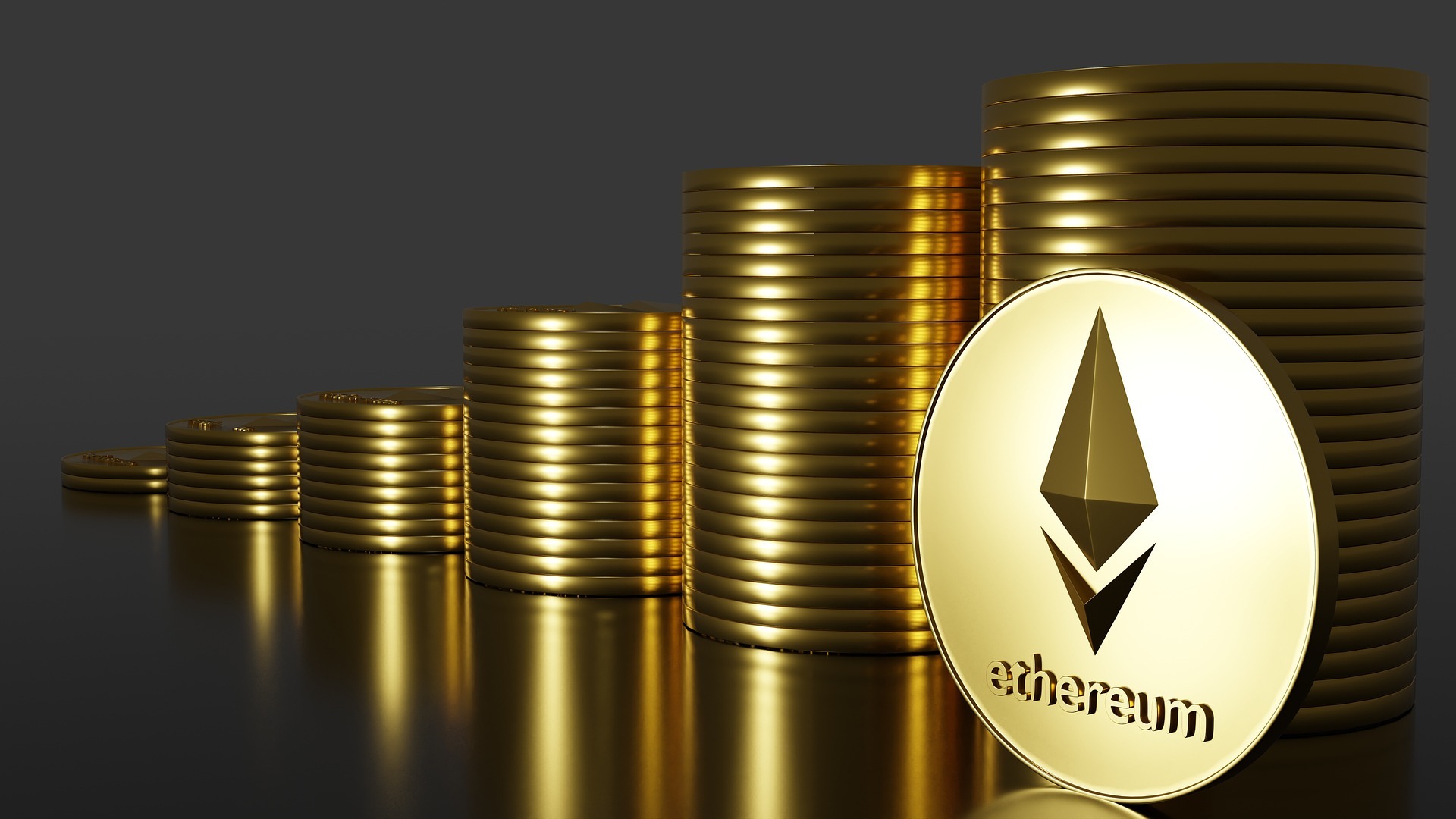
Harmony has proposed one of the most significant changes in its history: shutting down its Layer 1 blockchain and migrating the native ONE token to Ethereum. The proposal marks a sharp departure from Harmony’s original model, which launched its mainnet in 2019 and relied on its own network infrastructure and validators. Harmony says growing security threats from state actors and AI agents have made continuing the network increasingly difficult.
The proposal is non-binding, meaning the plan is not yet a completed network shutdown. However, Harmony has already outlined a transition process, with validators able to begin stopping their nodes from September 10, 2026. The project has also proposed a $1.372 million compensation pool for eligible validators and delegators who participate in the transition.
For ONE holders, the most important part is the proposed Ethereum migration. Harmony plans to take a final snapshot of balances and issue corresponding ERC-20 ONE tokens on Ethereum. The proposal says holders would not need to make a separate claim, with new tokens sent to the same wallet addresses where possible.
Why Harmony Is Leaving Its Own Blockchain
The decision follows a difficult period for the network. In August, Harmony suffered an exploit that initially involved unauthorized minting of billions of ONE tokens. A subsequent reconstruction identified more than 3 trillion forged ONE tokens, forcing the project to plan a rollback to a point before the attack.
That rollback itself carried consequences. Harmony’s plan discarded more than 109,000 transactions that had been confirmed after the selected checkpoint, highlighting the practical difficulty of repairing a live blockchain after a major security incident. The latest decision to sunset the network therefore comes after more than one serious security challenge.
Harmony’s proposed migration also changes the role of validators. Instead of securing an independent blockchain, some validators could become governors for the project’s next initiative, while others may participate as AI video operators or affiliates. This represents a fundamental shift from blockchain infrastructure toward an application-focused business.
The new direction is centered on what Harmony calls a “Remix Economy for AI Video.” The concept involves creators publishing prompts and digital assets that fans can reuse, while AI agents generate additional content from those remixes. Harmony says the model could create a new economy around AI-generated video rather than requiring the project to maintain its own Layer 1.
What the Ethereum Migration Means for ONE
The migration could also change the investment case for ONE. Originally, the token was connected directly to Harmony’s network, including validator incentives and emissions. Under the proposed structure, future emissions would instead support the new AI video initiative while the total supply and emission rate remain unchanged.
There are important limitations for users. Harmony says multisig safes, liquidity pools and on-chain applications cannot be migrated, and users are being urged to exit smart contracts before September 10. Delegated stakes and unclaimed rewards are expected to be transferred into individual governor vaults under the proposal.
The move to Ethereum could nevertheless provide ONE with a more established settlement environment. Rather than spending resources maintaining its own Layer 1, Harmony would operate its token on Ethereum, potentially allowing the team to concentrate on the application it believes can create new economic activity.
For ONE holders, however, the transition introduces considerable uncertainty. The proposal does not guarantee that the AI video business will succeed, and moving a token to Ethereum does not automatically create demand. The future value of ONE will depend more heavily on whether the new ecosystem attracts creators, users, operators and paying customers.
Related: Hoskinson Argues Ethereum Is Following Cardano’s Technical Roadmap
The timing also matters. Harmony’s announcement comes only weeks after its latest security crisis, making the migration as much about rebuilding confidence as changing technology. Investors will likely watch the final snapshot process, the Ethereum contract, exchange support and the treatment of liquidity and staking positions closely.
Harmony says it intends to publish the ERC-20 contract, snapshot calculations and airdrop scripts for public audit. That transparency could become important because the migration involves balances across wallets, exchanges, staking positions and other network participants.
For the ONE price outlook, the Ethereum transition should therefore be viewed as a high-risk restructuring rather than a conventional upgrade. A successful migration could give Harmony a simpler technical foundation and a new use case through AI video, but the project must still prove that the new model can generate sustainable demand. The coming weeks will determine whether Harmony’s decision becomes an example of a Layer 1 adapting to changing conditions—or the final chapter of the original network.
::
About The Author