Justin Sun Seeks Sanctions Against World Liberty Financial Over Alleged UAE Ownership Disclosure
Tron founder Justin Sun is escalating his legal dispute with World Liberty Financial, saying he has filed a motion seeking sanctions against the Trump-linked cryptocurrency venture over what he describes as a delayed disclosure of its United Arab Emirates ownership structure.
Sun alleges that World Liberty failed to disclose its UAE citizenship and related ownership information until several months into their legal dispute. According to his account, the company subsequently disclosed 22 ownership entities, raising questions about why the information was not provided earlier and whether the disclosure was intended to influence the court’s jurisdiction.
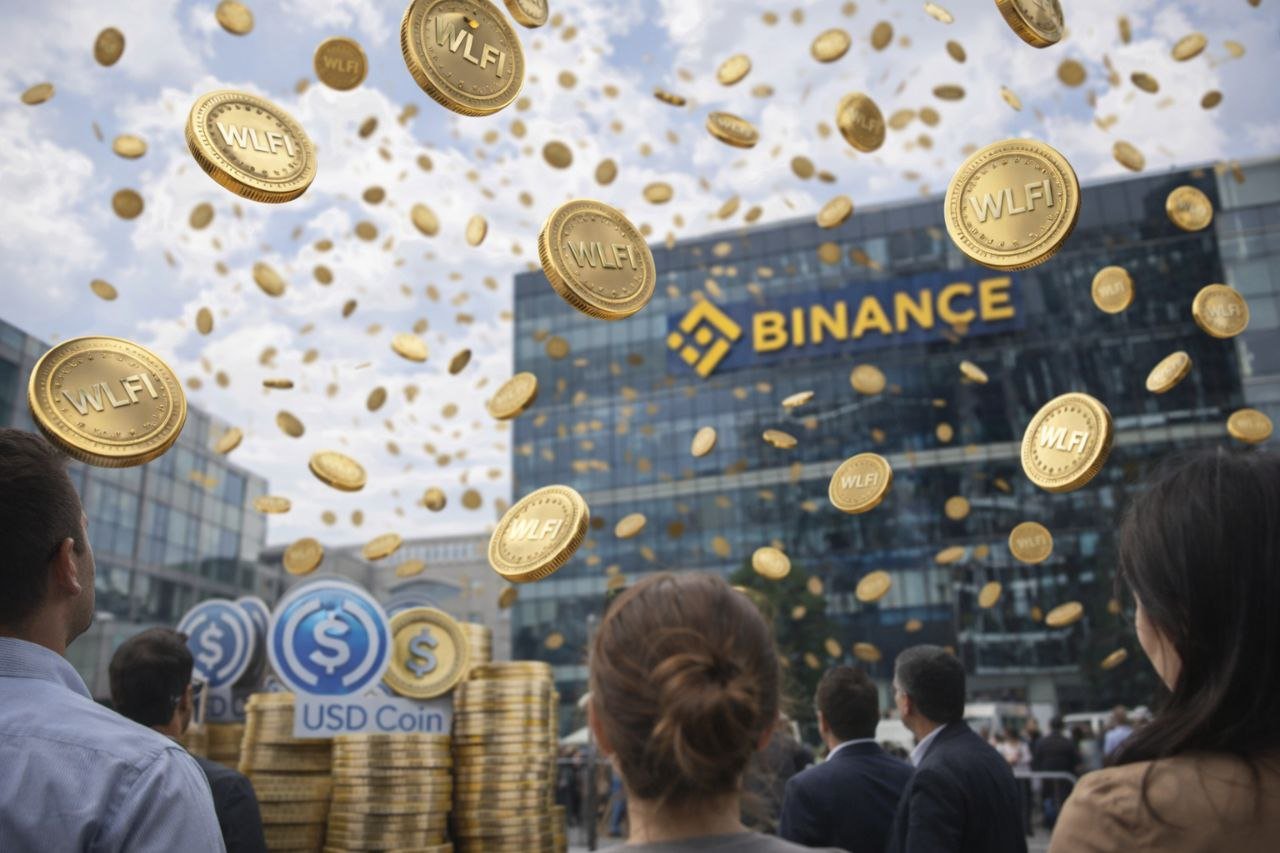
The latest development adds another layer to a dispute that began with Sun’s allegations that World Liberty Financial fraudulently restricted his WLFI holdings and unlawfully froze his tokens. Sun says he invested $45 million in the project, making him one of its major early investors.
He sued the company in April 2026, arguing that its actions deprived him of the ability to freely transfer his tokens and exercise associated governance rights. The dispute has since developed into a broader legal confrontation over tokenholder protections, corporate control and the company’s handling of investor relationships.
UAE Ownership Disclosure Becomes a New Legal Battleground
Sun’s latest complaint focuses on the timing and significance of World Liberty’s ownership disclosures. He alleges that the company introduced information about 22 ownership entities only months after the case began, and argues that the late disclosure was an attempt to challenge the federal court’s jurisdiction.
Jurisdiction is an important issue because it determines whether a particular court has the legal authority to hear a dispute. Corporate ownership structures, the identities of relevant entities and the locations of parties can become significant when courts assess whether a case belongs before them.
Sun argues that World Liberty’s disclosure was not simply an administrative update. He believes it was an attempt to move the dispute away from open federal court proceedings, potentially changing where and how his claims would be considered.
However, the allegations do not establish that World Liberty deliberately concealed information or improperly attempted to manipulate the legal process. Those questions would need to be assessed through the court proceedings, including the parties’ arguments and any relevant judicial findings.
The ownership issue also brings renewed attention to the international structure behind World Liberty Financial. The venture has faced scrutiny over its business relationships and ownership arrangements, including reported involvement by UAE-linked investors. The extent to which those relationships affect the current case remains a matter for the legal process.
The $45 Million WLFI Dispute Continues
The original lawsuit centers on Sun’s claim that World Liberty unlawfully froze his WLFI tokens and restricted his rights as an investor. He has argued that the company’s actions prevented him from selling his holdings and participating in governance decisions.
World Liberty has previously rejected Sun’s accusations. Its chief executive, Zach Witkoff, described the original lawsuit as meritless and argued that the company acted to protect itself and its users. The competing accounts have left the dispute unresolved, with neither side’s central allegations established as court findings.
The new sanctions motion could increase pressure on World Liberty by shifting attention toward its corporate disclosures and conduct during the litigation. It also raises a broader question for crypto investors: how much information should token projects provide about their ownership structures, particularly when those structures may have consequences for legal accountability?
For WLFI holders, the case extends beyond the personal disagreement between Sun and the project’s leadership. It touches on transparency, the limits of tokenholder rights and the ability of a project to exercise control over assets held by investors.
The court’s handling of the latest allegations will be important in determining whether the ownership disclosures affect the jurisdictional dispute. For now, Sun’s request represents another escalation in a case that could have implications for how investors assess governance and accountability in politically connected crypto ventures.
About The Author