
Vitalik Buterin Calls for Verifiable Hardware Wallets, Warns Against Trust-Based Security
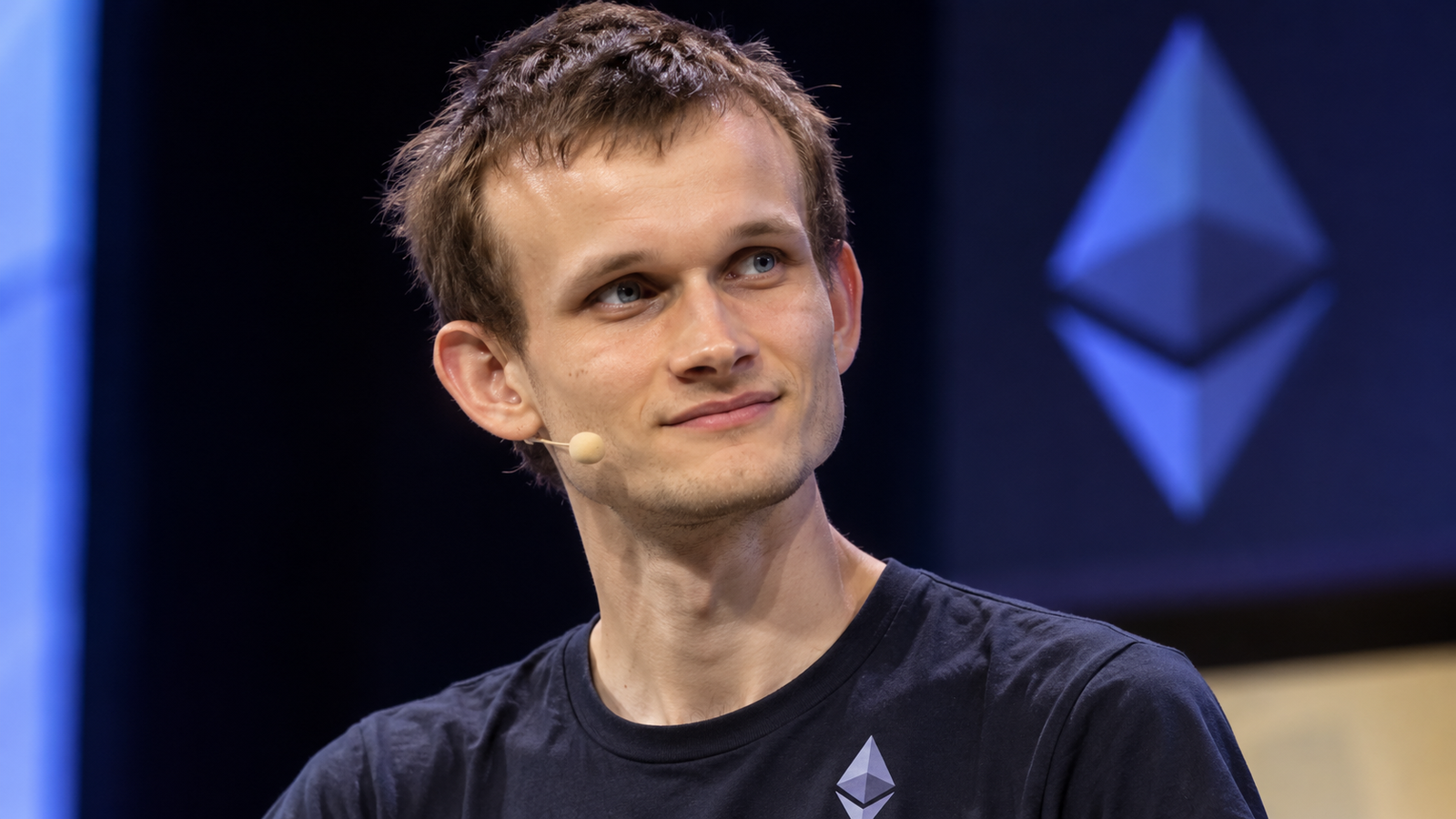
Ethereum co-founder Vitalik Buterin is urging the technology industry to rethink hardware security, arguing that open-source software alone cannot protect users if the physical devices running it remain impossible to inspect. Speaking at the opening ceremony of Devcon 8 in Mumbai on November 3, 2026, Buterin said security must be built around openness, independent verification and reduced dependence on trusted intermediaries.
His warning extended beyond cryptocurrency wallets to everyday consumer electronics. Buterin pointed out that users can no longer automatically assume a television is simply a television, raising concerns that connected devices could monitor their owners or be compromised without their knowledge. He argued that people need practical ways to verify what their devices are doing rather than relying entirely on manufacturers’ assurances.
Hardware wallets received particular attention because they are designed to protect the private keys controlling cryptocurrency assets. Buterin raised the possibility of a malicious component, such as a concealed SIM card installed inside a wallet, transmitting private keys to attackers. He used the example to illustrate how a device could appear secure at the software level while a hidden hardware component undermines its protection.
The concern highlights a broader weakness in the cryptocurrency security model. Users may verify wallet software, check transaction details and protect recovery phrases, but they often have limited visibility into the chips and components inside the devices they trust. Buterin argued that this gap requires more open and verifiable silicon, allowing independent researchers and users to establish what hardware actually does.
Why Open and Verifiable Hardware Matters for Crypto Security
Buterin’s argument follows the familiar principle of “don’t trust, verify,” but applies it beyond blockchain transactions and software. A wallet’s security should not depend solely on a manufacturer’s reputation or a promise that its components are safe. Instead, the industry should develop hardware that can be inspected and tested through reliable verification methods.
This approach also connects to his wider concerns about artificial intelligence. As AI tools make it easier to discover software vulnerabilities and accelerate the development of sophisticated attacks, assumptions about the security of consumer technology become increasingly difficult to maintain. Buterin presented defensive, decentralized development as an alternative to concentrating control over critical technology in a small number of organizations.
Related: Who Is Vitalik Buterin? The Journey Behind Ethereum’s Creation
He also pointed to operating systems as another important layer of the problem, referencing projects such as GrapheneOS and Qubes OS that seek to improve security through isolation and stronger system design. The same philosophy, he argued, should extend to applications, hardware and communication tools. Reducing unnecessary dependencies on external servers would further limit the number of parties capable of accessing sensitive information.
For hardware wallet manufacturers, the implications are significant. Stronger security could require transparent chip designs, reproducible firmware builds, independent audits and mechanisms that allow users to verify which software and hardware configurations are running. Open-source designs can help researchers identify weaknesses, although publishing source code alone does not prove that a manufactured device contains the same components or executes the expected code.
Zero-Knowledge Proofs Could Protect Privacy Without Sacrificing Verification
Buterin also addressed the relationship between verification and personal privacy. Proving that a person or device meets a security requirement should not require disclosing every detail about its owner. Revealing excessive personal information can create additional risks, particularly when that information is collected, stored or shared by centralized platforms.
Zero-knowledge proofs offer one way to address this problem. They allow a party to demonstrate that a particular statement is true without revealing all the underlying information used to establish it. For example, a user could prove that they meet a specific eligibility requirement without disclosing their full identity or unrelated personal records.
Related: Why Hackers Choose Ethereum to Move Billions in Stolen Crypto
The technology already has applications in blockchain systems, including privacy-preserving transactions and verification processes. Buterin suggested that cryptographic proofs could support a broader approach to digital security in which people establish specific claims without surrendering control over their personal information.
The underlying challenge is to make technology both verifiable and privacy-preserving. Hardware wallets must protect private keys, operating systems must limit unauthorized access, and digital services must allow users to establish trust without collecting unnecessary data. Buterin’s Devcon 8 message places these requirements within a wider vision of decentralized security, where individuals retain greater control over their devices and information.
For Ethereum and the wider crypto industry, the discussion expands the meaning of self-custody. Holding private keys independently is only one part of protecting digital assets if the hardware storing them cannot be independently trusted. More verifiable chips, transparent device designs and privacy-preserving cryptography could help close that gap, although delivering those protections will require engineering work across the hardware and software industries.
About The Author