Otomorph Launches Android App With IOTA-Based Digital Vehicle Identity Plans
Otomorph, a French software company founded in June 2026, is bringing IOTA into the automotive sector through a digital vehicle management platform that combines artificial intelligence, digital identities and blockchain-based records. The company has released its first Android application, offering an early look at a product designed to give every vehicle a persistent digital identity and consolidated history.
The project aims to address a familiar problem for vehicle owners: maintenance invoices, inspection records, repair documents and expense information are often scattered across different locations. Otomorph wants to bring these records into one application, creating what it calls a digital twin that follows a vehicle throughout its lifecycle.
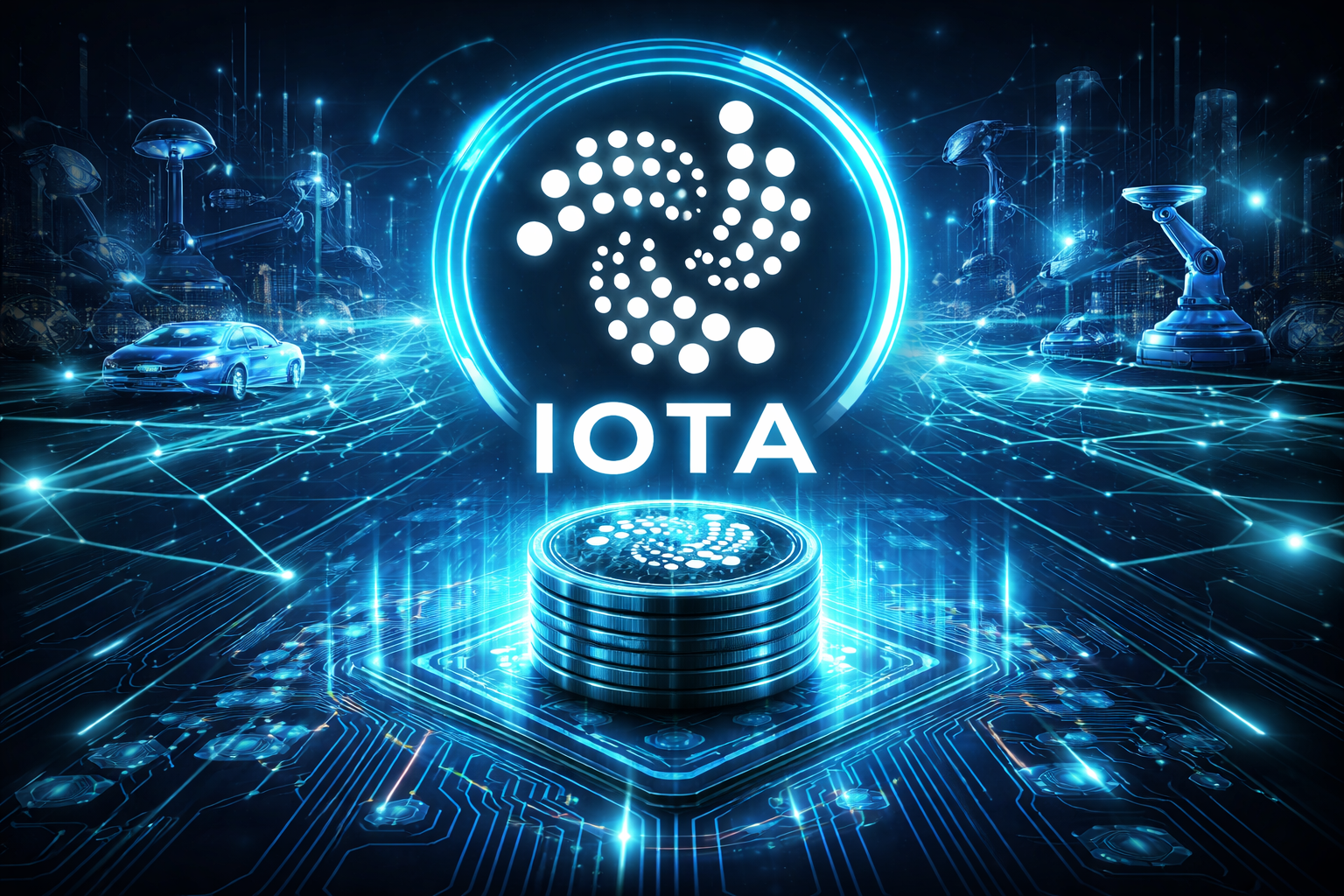
Its planned features include a digital vehicle file, maintenance reminders, cost tracking, estimated resale values and an AI assistant that helps users interpret warning messages and repair questions. The more distinctive component is its proposed use of IOTA to establish decentralized vehicle identities and secure cryptographic proofs associated with vehicle records.
The company’s privacy documentation describes a registration process involving a non-custodial Web3 wallet, a decentralized identifier for the vehicle and a basic vehicle NFT. According to Otomorph, private keys remain on the user’s device, while encrypted maintenance information or document proofs can be anchored to IOTA.
How IOTA Could Support Digital Vehicle Passports
The potential application is straightforward. A repair workshop could issue a digital maintenance record, with its cryptographic fingerprint recorded on IOTA. When a vehicle changes hands, a buyer or another authorized party could check whether a presented document matches the previously secured record.
This approach could make vehicle histories easier to verify, particularly in the used-car market, where incomplete documentation and questionable maintenance claims can complicate transactions. However, blockchain verification does not establish that the original information was accurate. The reliability of the system would still depend on trusted workshops, authorized issuers and appropriate verification procedures.
Related: Is IOTA Undervalued? Investors Point to Institutional Links, Trade Utility and Network Development
There is also an important distinction between a vehicle NFT and legal ownership. Creating an NFT associated with a car does not automatically establish ownership under French law or replace official vehicle registration documents. Otomorph would need clear processes for linking its digital identity to recognized records and handling ownership transfers.
The Android application is available through Google Play under the developer name Otomorph Technologies. Its latest listed update was October 24, 2026, and its release notes describe it as an early-access product. Google Play displays the download category as 5+, which is a minimum threshold rather than an exact user count. The iOS version remains listed as a future release.
Early Product, Open Questions on Adoption and Blockchain Activity
Some advertised capabilities also require further verification. Otomorph promotes real-time vehicle information, predictive maintenance and a three-dimensional digital twin, but its public FAQ says additional vehicle hardware is not currently required. The available documentation therefore does not establish that the application already collects continuous diagnostic data directly from vehicle electronics.
Artificial intelligence is another part of the offering. The company’s terms identify Google Gemini as the technology behind its AI Garagist assistant, which is intended to help drivers understand warning messages, assess maintenance questions and estimate vehicle condition. Otomorph cautions that these responses do not replace professional diagnostics or independent vehicle valuations.
Company records provide a clearer picture of the business behind the application. A French incorporation notice published on June 30, 2026, identifies Otomorph as a single-shareholder simplified joint-stock company based in Sartrouville, with €1,000 in capital and Rami Rezgui Raouaji as president. Its stated business activities include software development, decentralized networks, digital identities, non-custodial wallets and machine-to-machine communication.
Related: IOTA Price Outlook: Can Its Network and Trade Infrastructure Drive Real Adoption?
The commercial model combines a free Starter plan with a paid Otomorph Plus subscription, alongside potential transaction fees from certain services. However, publicly available information does not establish subscription prices, paying-user numbers, revenue or commercial partnerships with major automotive businesses. The company’s legal documentation also does not establish an official partnership with the IOTA Foundation.
A further question concerns privacy. Otomorph says personal information such as names and email addresses will not be stored on-chain, with most vehicle data handled through cloud services. However, its claim that destroying NFTs and removing notarized records can guarantee the right to erasure needs technical clarification: deleting an NFT or digital object does not necessarily remove the historical transactions recorded on a blockchain.
Most importantly for the IOTA ecosystem, the available project documents describe the intended integration but do not provide independently verifiable Mainnet transaction IDs, vehicle NFT examples, smart-contract package addresses or wallet activity. The number of vehicles with active decentralized identities and the volume of maintenance records actually anchored to IOTA therefore remain unknown.
Otomorph presents a potentially useful automotive application for IOTA, connecting decentralized identity and document verification with a product aimed at everyday vehicle owners. Its Android release establishes an initial software presence, but wider adoption will depend on trusted data providers, reliable vehicle records, practical ownership-transfer procedures and evidence that the blockchain integration is operating in production. For now, it is a project worth watching rather than proof of an established IOTA-powered vehicle passport network.
About The Author